
Picking
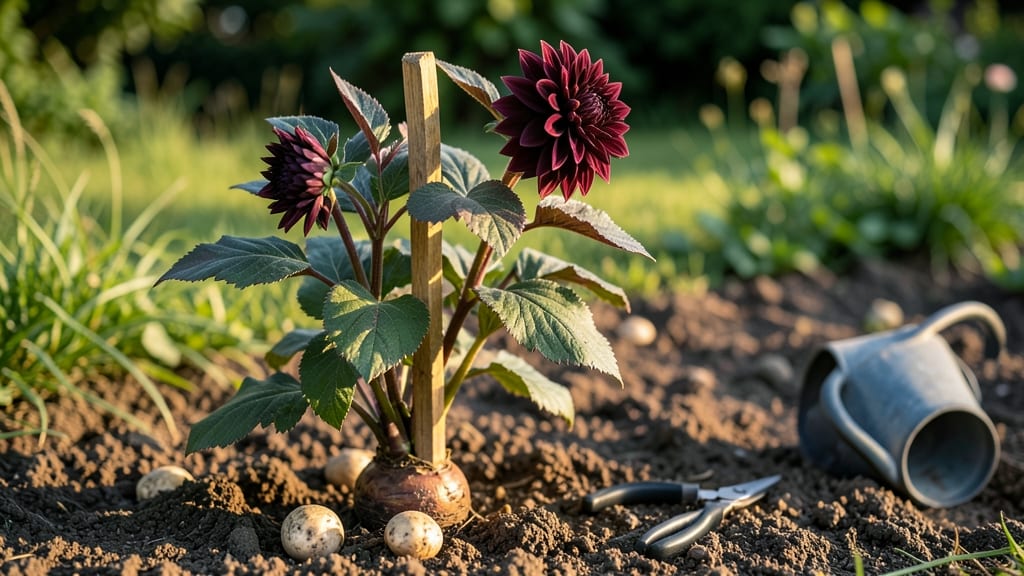
Growing squash and potatoes together isn’t just possible—it’s a foolproof way to maximize your garden’s potential, especially in cooler climates or shadier spots. 🌱 I’ve grown both for years, and the combination saves space while boosting yields. The secret?
Choosing cold-hardy varieties like ‘Waltham’ butternut squash and ‘Yukon Gold’ potatoes that tolerate partial shade better than most. Start with well-draining soil rich in compost—these plants are heavy feeders, and squash vines need room to sprawl while potatoes need loose soil for those knobby tubers.
Plant potatoes first (they take longer to mature), then tuck squash seedlings nearby after the soil warms. Spacing matters: give potatoes 12 inches apart in rows 3 feet apart, and squash 2-3 feet apart to avoid crowding.
By midsummer, you’ll have vibrant yellow flowers on the squash and lush green foliage on the potatoes. The key is consistent moisture—keep soil evenly damp but not soggy—and watch for pests like squash bugs or Colorado potato beetles. A simple row cover can save both crops when needed.
This duo thrives in partial shade, making it perfect for under fruit trees or along fences. The potatoes’ early harvest clears space for the sprawling squash, and their deep roots help break up compacted soil. Ready to try this space-saving powerhouse combo?
📚 In This Guide
- What you need
- Instructions
- Tips and common mistakes
- Wrapping up and next steps
What you need
- ● Seeds or Seedlings: 2–3 lbs of potato seed potatoes (certified disease-free, like Yukon Gold or Fingerling varieties)
- ● 1–2 packs of shade-tolerant squash seeds (e.g., Delicata, Hubbard, or Zucchini—choose compact or bush types)
- ● Soil: Well-draining, loamy soil (amend with compost if needed)
- ○ Optional: Raised bed mix (for better drainage in wet climates)
- ● Fertilizer: Balanced 10-10-10 fertilizer (for planting) + compost (for ongoing nutrients)
- ○ Optional: Slow-release organic fertilizer (like worm castings)
- ● Tools: Garden trowel or transplanting spade
- ● Hoe or cultivator (for weeding)
- ● Garden fork (for loosening soil)
- ● Mulch (straw or shredded leaves to retain moisture)
- ● Shade cloth (30–50% coverage for squash if direct sun is limited)
- ● Row covers or frost blankets (for early/late planting)
- ● Drip irrigation or soaker hose (to keep soil consistently moist)
- ● Trellis or cages (for vining squash varieties)
- ● Plant markers (to track varieties)
Step-by-step guide to growing cold-hardy squash and potatoes in shade
Here’s how to grow resilient winter squash and potatoes even in low-light conditions—my go-to method for cooler climates.
🌱 Step 1: Select Varieties and Prepare the Soil
Choose cold-hardy winter squash varieties like 'Butternut' or 'Delicata' and early potato types such as 'Yukon Gold' or 'Red Pontiac'. These tolerate partial shade better than sun-lovers. Amend your soil with 2-3 inches of compost and 1 cup of balanced organic fertilizer per 10 square feet to improve drainage and fertility—critical for shade-grown tubers and squash.
Test your soil’s moisture retention by squeezing a handful—it should hold together without dripping. If it crumbles, add 1 inch of peat moss to retain water. I always work in compost before planting because shade-grown plants rely on rich soil to compensate for lower light.
🪴 Step 2: Plant Potatoes and Squash Seeds at the Right Depth
For potatoes, cut seed potatoes into 2-inch chunks with at least one eye (sprout) per piece. Let them cure for 24 hours to form a callus before planting. Bury them 4 inches deep in trenches spaced 18 inches apart. Squash seeds, on the other hand, need 1 inch of soil coverage—plant them in hills or mounds spaced 3 feet apart to improve air circulation and prevent disease.
I use a soil thermometer to ensure the ground is at least 50°F before planting—cold soil delays germination. Water the area thoroughly after planting to settle the soil and encourage root contact. Mulch with 2 inches of straw to retain moisture and suppress weeds, which thrive in shade.
☀️ Step 3: Manage Light and Water for Optimal Growth
Even in shade, squash and potatoes need at least 4-6 hours of indirect light daily. Place them near a north-facing wall or under dappled tree shade for best results. Monitor leaf color—pale or yellowing leaves signal insufficient light, while dark green with slight red veins means they’re thriving.
Water deeply twice weekly, aiming for 1 inch of moisture per week. Use a moisture meter to check soil depth—top 2 inches should feel damp but not soggy. Drip irrigation works best in shade gardens to avoid fungal issues from overhead watering. I always water in the early morning to reduce evaporation.
✂️ Step 4: Hill Potatoes and Prune Squash for Better Yields
When potato plants reach 6 inches tall, mound soil around the stems to encourage tuber formation. Repeat every 2-3 weeks until the hill reaches 12 inches high. For squash, prune lateral vines that grow beyond the main stem to redirect energy to fruit production. Remove any yellowed or diseased leaves immediately to prevent spread.
Watch for powdery mildew—common in shaded squash. If you spot white powder on leaves, spray with a baking soda solution (1 tablespoon per gallon of water) every 7 days until the problem clears. I also rotate my squash plants weekly to ensure even light exposure from all directions.
⏰ Step 5: Harvest at Peak Maturity for Best Flavor
Potatoes are ready when vines yellow and die back—dig carefully with a fork to avoid piercing the tubers. Cure them in a cool, dark place for 1-2 weeks to toughen skins. Squash, however, should be harvested when the stem hardens and the rind can’t be pierced with a fingernail. Use pruners to cut stems, leaving 1 inch of stem attached to extend shelf life.
Store squash in a dry, 50-55°F space with good airflow. Potatoes keep best in burlap sacks in a dark basement or root cellar. Check stored produce monthly for rot—remove any affected tubers immediately to prevent spoilage. This method keeps my harvest fresh for 3-4 months after the growing season ends.
Tips & tricks for cold-hardy squash and potatoes in shade
Mastering shade gardening with these resilient crops takes a few strategic adjustments—but they're game-changers for cooler climates.
Soil Preparation: The 2-3 inches of compost and 1 cup of fertilizer per 10 square feet aren't just numbers—they're your foundation. I've found shade-grown plants need this extra fertility because they can't photosynthesize as efficiently. For even better results, mix in 1 inch of peat moss if your soil crumbles when squeezed. This creates that perfect moisture-retaining environment without turning to mud. Think of it as giving your plants a nutrient boost to compensate for the lower light conditions they'll face.
Planting Depth: Those 4-inch deep trenches for potatoes and 1-inch coverage for squash seeds might seem precise, but they're critical. Potatoes need that depth to develop properly without exposure to light (which turns them green and toxic), while squash seeds planted too deep may struggle to emerge. I use a small ruler to verify depth—it's worth the extra minute to ensure perfect planting conditions. For squash, consider planting seeds in hills rather than flat ground to improve drainage and prevent rot.
Light Management: The 4-6 hours of indirect light daily is your target, but not all shade is equal. Position your plants near a north-facing wall or under dappled tree shade where they'll receive filtered sunlight. I've noticed that plants near east-facing walls get morning light that's particularly beneficial. Watch leaf color closely—pale or yellowing leaves mean your plants are crying out for more light, while dark green with slight red veins means they're thriving. This visual cue helps me adjust placement before problems develop.
Disease Prevention: The baking soda solution (1 tablespoon per gallon) is your secret weapon against powdery mildew, which loves shaded conditions. I've had success using this spray every 7 days at the first sign of white powder. For extra protection, I rotate my squash plants weekly to ensure even light exposure from all directions. This simple practice prevents weak spots where mildew can take hold. Remember, prevention is always easier than treatment when dealing with fungal issues in your garden.
Pro Tips for Squash And Potatoes
- Mastering shade gardening with these resilient crops takes a few strategic adjustments—but they're game-changers for cooler climates.
- Soil Preparation: The 2-3 inches of compost and 1 cup of fertilizer per 10 square feet aren't just numbers—they're your foundation.
- Planting Depth: Those 4-inch deep trenches for potatoes and 1-inch coverage for squash seeds might seem precise, but they're critical.
Frequently asked questions
Got questions about growing squash and potatoes together? You’re not alone! Here are answers to the most common queries to help you cultivate a thriving, shade-friendly garden.
Can squash and potatoes really grow well together?
Yes! Both are cold-hardy and tolerate partial shade, making them great companions. However, avoid planting them too close—squash vines can shade out potatoes, while potatoes may compete for nutrients. Space them at least 3 feet apart for harmony.
How long does it take for squash and potatoes to mature?
Potatoes typically mature in 60–120 days (depending on variety), while squash (like butternut or zucchini) takes 50–80 days. Start potatoes early in the season—they’ll be ready to harvest before squash needs full sun. Plan ahead!
What if my potatoes are turning green or bitter?
Green potatoes = too much sunlight (solanine buildup). If planted in partial shade, this is less likely, but harvest before greening or store them in a dark place. For squash, bitter flavors can come from overripe fruit—pick when firm and vibrant!
Can I grow these in full shade?
Potatoes can handle partial shade but need at least 4–6 hours of sunlight daily for best yields. Squash, especially vining types, requires full sun (6+ hours). If shade is heavy, opt for bush varieties or supplement with grow lights.
What can I plant instead if shade is extreme?
Try these shade-tolerant alternatives:
- Leafy greens (kale, spinach) – thrive in low light.
- Radishes – fast-growing and cold-resistant.
- Swiss chard – colorful and productive.
- Peas – fix nitrogen and love cooler temps.
Wrapping up and next steps
Growing squash and potatoes in shady, cold climates is totally doable—you just need the right varieties, a little patience, and a dash of creativity! 🌱 These cold-hardy crops reward you with hearty harvests, proving that even less-than-ideal conditions can yield big results.
Whether you’re a seasoned gardener or a curious beginner, start small—pick one variety to test this season, then expand next year.
Ready to dig in? Grab your gloves, mark your calendar, and get planting! 🌟 Your future meals (and bragging rights) will thank you.