
Picking
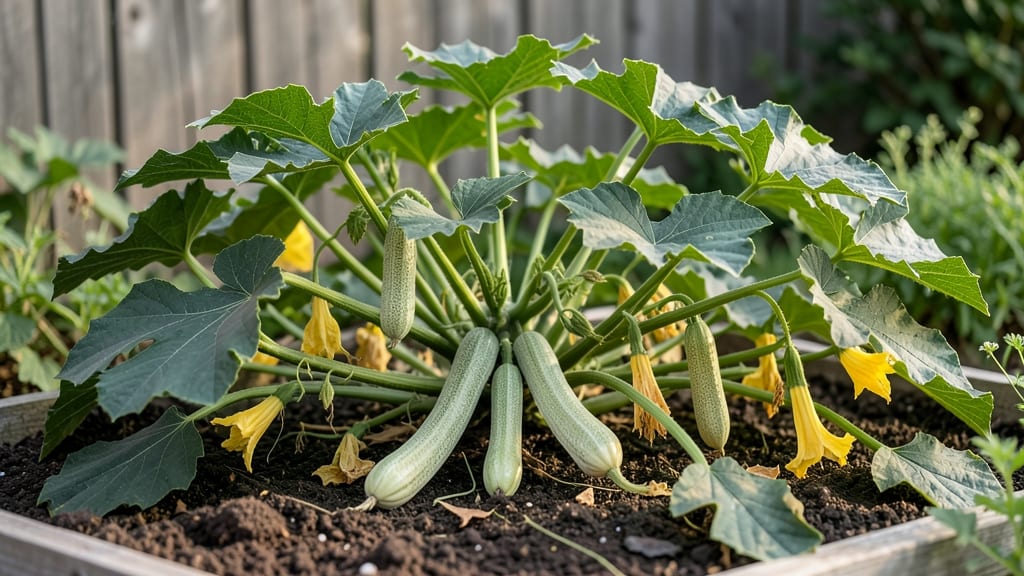
Growing a spaghetti squash-zucchini hybrid feels like unlocking a secret garden treasure—one that delivers the best of both worlds in a single vine. 🌱 I’ve watched these vines produce golden, stringy flesh that cooks like spaghetti but with the sweet, tender crunch of summer zucchini, all on the same plant.
The twisty yellow squash? Edible too, with a milder flavor than traditional zucchini. These hybrids thrive in warm climates (zones 5-10) and love full sun (6+ hours daily), but they’re forgiving enough for beginners who’ve struggled with finicky squash before.
The vines sprawl 8-10 feet, so plan for trellises or sturdy cages—they’ll reward you with 3-5 harvests per plant if you keep them happy. Water consistently (about 1-2 inches per week) and side-dress with compost every 4 weeks to avoid bitter fruit.
Prune suckers early to focus energy on fruit production, and watch for cucumber beetles—they love these hybrids too. A row cover or neem oil spray keeps them at bay. Harvest when the squash reaches 8-12 inches long, twisting gently at the stem.
The flesh inside should yield slightly when pressed. Store in a cool, dry place for 2-3 weeks, or cook immediately for that al dente, noodle-like texture you’ve been dreaming of. Now, let’s get those seeds in the ground!
📚 In This Guide
- What you need
- Instructions
- Tips and common mistakes
- Wrapping up and next steps
What you need
- ● Spaghetti squash seeds: 5–10 high-quality, heirloom or hybrid seeds (look for varieties like ‘Tuscan’ or ‘Golden Spaghetti’).
- ● Zucchini seeds: 5–10 seeds (choose disease-resistant varieties like ‘Black Beauty’ or ‘Eight Ball’).
- ● Growing containers or garden bed: Containers: 5-gallon pots (1 per plant) with drainage holes.
- ● Garden bed: Well-draining soil, 6+ inches deep, with full sun (6+ hours/day).
- ● Potting mix: 2–3 bags of high-quality, organic compost or garden soil.
- ● Fertilizer: Balanced organic fertilizer (10-10-10) or compost tea for nutrient boost.
- ● Hand trowel or transplanting tool: For gentle seedling transfer.
- ● Watering can or hose with nozzle: Fine mist setting for seedlings.
- ● Pruning shears: For shaping vines and removing excess foliage.
- ● Pollination aid: Small paintbrush or bee-friendly garden to encourage cross-pollination.
- ● Row covers: Lightweight fabric to protect young plants from pests.
- ● Trellis or stakes: For supporting heavy vines (especially if growing in containers).
- ● pH test kit: To ensure soil pH is between 6.0–7.0 (ideal for squash/zucchini).
- ● Plant markers: To label hybrids and track progress!
Step-by-Step instructions for crossbreeding spaghetti squash and zucchini
Here’s how to create your own high-yield hybrid vines using precise pollination techniques.
🌱 Step 1: Select Parent Plants and Prepare for Pollination
Choose two healthy, disease-free plants: one spaghetti squash and one zucchini, both from the same family (Cucurbita pepo). I prefer open-pollinated varieties for better hybrid vigor. Plant them 12-18 inches apart in well-draining soil with full sun exposure to ensure robust growth. The male flowers will appear first—watch for their long stems and lack of ovary at the base.
Remove any immature or damaged flowers to focus energy on the strongest blooms. Use a handheld magnifying glass to inspect each flower for pests or deformities. The goal is to have at least 5-7 viable male flowers per plant by the time females open. I’ve found that morning pollination yields the best results because flowers are freshest then.
☀️ Step 2: Hand-Pollinate for Hybridization
On a sunny, dry morning between 8-10 AM, carefully collect pollen from male zucchini flowers using a soft paintbrush. Gently brush the anthers (the yellow, powdery parts) to release pollen onto the brush. Avoid touching the stigma (the center of the female flower) with anything but the brush to prevent contamination.
Transfer the pollen to the stigma of a female spaghetti squash flower—you’ll know it’s female because it has a small bulb at the base where the fruit forms. Repeat this process for 3-5 female flowers per plant to increase hybridization chances. Label each pollinated flower with a small flag to track progress. I use toothpicks and masking tape for visibility without damaging the plant.
🌿 Step 3: Monitor Fruit Development and Prune Strategically
After pollination, watch for fruit set—the female flower’s ovary will swell slightly within 24-48 hours. Prune any excess fruits to leave only 1-2 per vine, as overloading weakens the plant. Use sterilized pruning shears to make clean cuts just above a leaf node. This ensures the remaining fruits get maximum nutrients and grow larger.
Thin the vines by removing side shoots that emerge from the main stem, keeping only the strongest, most upright growth. I’ve found that 2-3 main vines per plant produce the best hybrid yields. Mulch around the base with 2-3 inches of organic matter to retain moisture and suppress weeds, which compete for nutrients critical for fruit development.
⏰ Step 4: Harvest and Test Hybrid Traits
Harvest the hybrid fruits when they reach full size but before they overripen—typically 80-90 days after pollination. Use a sharp knife to cut the stem cleanly, leaving a small portion attached to the fruit. Test the hybrid traits by cooking a small section: if the flesh separates into spaghetti-like strands with a mild zucchini flavor, your crossbreeding succeeded.
Save seeds from the best-performing hybrids for future planting. Rinse the seeds in lukewarm water, then dry them on a paper towel in a well-ventilated area for 3-5 days. Store them in a cool, dark place in an airtight container. I’ve had the most success repeating this process with seeds from the first generation, as they often retain desirable traits more consistently.
Tips & tricks for perfect spaghetti squash-zucchini hybrid vines
A few key insights will help you maximize your chances of success with this delicate crossbreeding process.
Timing is Everything: The 8-10 AM window for pollination is critical because that's when flowers are at their freshest and most receptive. I've found that morning dew can actually help pollen adhere better to the brush—just gently tap off any excess moisture before transferring. The 24-48 hour fruit set window is also precise; if you don't see swelling within 48 hours, the pollination likely failed and you can safely remove that flower to redirect the plant's energy.
Visual Cues Matter: When selecting female flowers in Step 2, look for that small bulb at the base (the ovary) that's about the size of a pea—it's your confirmation you've got the right flower. For male flowers, the long stem is your best indicator, but also check that the center has no ovary development at all. I keep a small notebook by my plants to sketch these differences if I'm unsure which flowers are which.
Equipment Upgrade: While a soft paintbrush works, I've found that a small artist's brush with fine bristles works even better for collecting pollen—it picks up more without damaging delicate anthers. For labeling, consider using colored toothpicks with different colors for each pollination day. This visual system helps track which flowers were pollinated on which days, especially important since some hybrids may take longer to develop.
Seasonal Strategy: If you're in a cooler climate, plan your pollination for late spring when temperatures consistently stay above 65°F during the day. I've had better success with this hybrid in zones 7-9 where the growing season is long enough for the 80-90 day maturation period. For earlier harvests, you might consider using a small greenhouse or cold frame to extend your growing season.
Pro Tips for Spaghetti Squash Zucchini Hybrid
- A few key insights will help you maximize your chances of success with this delicate crossbreeding process.
- Timing is Everything: The 8-10 AM window for pollination is critical because that's when flowers are at their freshest and most receptive.
- Visual Cues Matter: When selecting female flowers in Step 2, look for that small bulb at the base (the ovary) that's about the size of a pea—it's your confirmation you've got the right flower.
Frequently asked questions
Got questions about growing or harvesting your spaghetti squash-zucchini hybrid? Here are some of the most common ones—and their answers!
How long does it take for a spaghetti squash-zucchini hybrid to mature?
With proper care, this hybrid typically matures in 85–100 days after transplanting. Zucchini’s fast growth (40–50 days) blends with spaghetti squash’s slower development (90–100 days), so expect harvests to align closer to the squash end of the spectrum. Monitor vines for yellowing leaves and firm, heavy fruit as key signs!
Can I eat the zucchini flowers from this hybrid before the fruit ripens?
The edible flowers (both male and female) are a delicious treat—lightly batter and fry them or toss into salads. Just pick them early in the morning for peak flavor. Bonus: Harvesting flowers can encourage more fruit production later in the season!
Why are my hybrid vines producing small, misshapen fruit?
Small or oddly shaped fruit often signals pollination issues (common in hybrids) or nutrient deficiencies. Try these fixes:
Store whole, uncut hybrids in a cool (50–55°F), dry place for up to 2 months. Avoid refrigeration—it turns the flesh mushy! For zucchini-like varieties, store in the fridge for 5–7 days. Once cut, cook or freeze immediately to preserve texture. If crossbreeding feels tricky, try these low-maintenance swaps:
If problems persist, check for pests like squash bugs or powdery mildew.
What’s the best way to store harvested spaghetti squash-zucchini hybrids?
Are there any easy alternatives if my hybrid doesn’t thrive?
All three offer similar growing conditions—just adjust harvest times!
Wrapping up and next steps
Ready to unlock the potential of your garden with this spaghetti squash-zucchini hybrid? 🌱 The key takeaway is simple: with the right cross-pollination techniques, patient nurturing, and a dash of creativity, you can cultivate thriving vines that deliver both abundant yields and unique flavors.
Whether you're a seasoned gardener or just starting out, the journey is as rewarding as the harvest.
Now that you’re armed with the secrets, it’s time to roll up your sleeves and give it a try! Start by selecting your parent plants and follow the steps outlined above. Keep a gardening journal to track progress—you might just discover your own next big breakthrough in hybrid gardening!