
Container Gardens
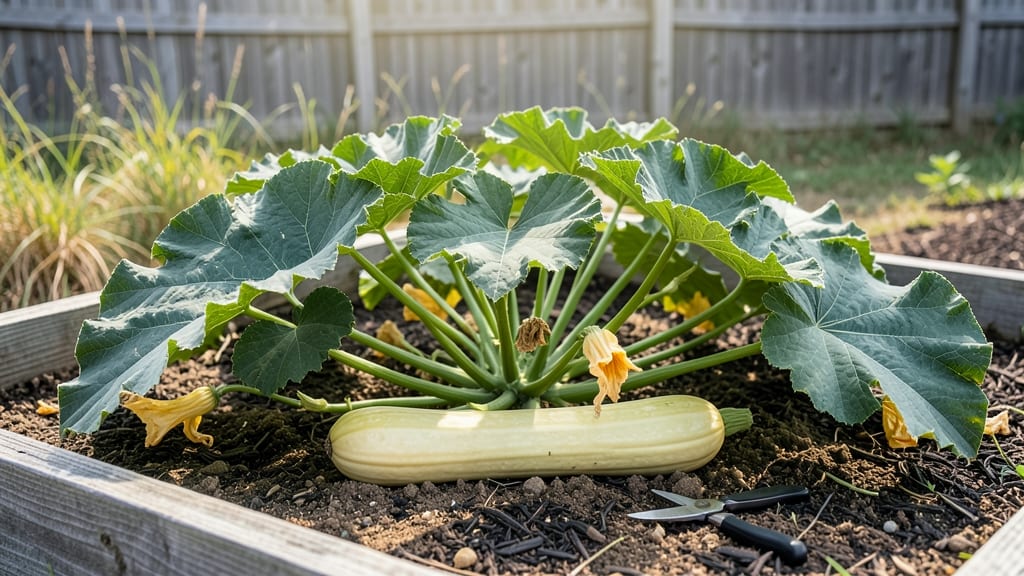
Spaghetti squash transforms from tiny seeds to golden harvests in just 100-120 days—if you nail each growing stage. 🌱 I’ve watched my vines sprawl from delicate seedlings to heavy-fruited plants, and the key is understanding what happens each month so you can adjust water, sunlight, and support before problems arise.
The first 14 days are all about warmth and patience: seeds need 80-85°F soil to germinate, and seedlings emerge slow but steady. Once they’re 2-3 inches tall, thin to the strongest plant per hill, giving each 3-4 feet of space to stretch.
Yellowing leaves here mean overwatering—let the soil dry between waterings. By month 3, you’ll spot the first male flowers (they’re small and drop quickly) followed by female blooms with tiny squash forming at their base.
Prune any diseased leaves immediately, and watch for powdery mildew on crowded vines—space and airflow prevent this. The squash themselves turn dull yellow when ripe, with a hard rind that doesn’t dent. Container growers can use 5-gallon pots with trellises, while in-ground plants need well-draining soil mixed with compost.
Harvest before frost, and you’ll get that stringy, pasta-like flesh perfect for fall meals. The timeline varies slightly by zone, but these stages stay the same—adjust your care, and you’ll get a bountiful harvest.
📚 In This Guide
- What you need
- Instructions
- Tips and common mistakes
- Wrapping up and next steps
What you need
- ● Spaghetti squash seeds: 3–5 seeds per container (or 1–2 seeds if using a larger pot). Opt for Cucurbita pepo varieties like 'Carson' or 'Delicata' for container-friendly growth.
- ● Containers: At least 5-gallon pots (18+ inches deep and wide) or larger. Ensure they have drainage holes!
- ● High-quality potting mix: A well-draining blend with compost (avoid garden soil—it compacts in containers). Aim for 10–15 gallons per plant.
- ● Slow-release fertilizer: 1–2 cups of balanced 10-10-10 or organic options like worm castings or compost tea.
- ● Support system: A trellis, cage, or stakes (6+ feet tall) to support vines as they grow.
- ● Gloves & pruning shears (for handling vines and harvesting).
- ● Mulch (straw or shredded leaves) to retain moisture and suppress weeds.
- ● Drip irrigation or watering can (spaghetti squash needs 1–2 inches of water weekly).
- ○ Row covers or shade cloth (optional, for early-season frost protection).
- ● pH test kit (ideal soil pH: 6.0–7.0).
Understanding spaghetti squash growth: a season-long journey
Here's how to track each stage—from those first tender sprouts to the moment you harvest your own "noodles."
🌱 Step 1: Germination and Seedling Emergence (0-14 Days)
Sow seeds ½ inch deep in well-draining soil when night temperatures stay above 55°F. Spaghetti squash seeds need warmth to germinate—think of it like waiting for a slow cooker to reach the perfect temp. You'll see tiny green shoots push through the soil in 7-14 days, though some stubborn seeds may take up to 3 weeks in cooler conditions.
Once sprouted, seedlings need full sun (6+ hours daily) to prevent leggy growth. Thin to one strong seedling per hill when they reach 2 inches tall, snipping weaker stems at soil level. The remaining plant will have a sturdy stem and broad leaves—signs it's ready for the next growth phase.
🌿 Step 2: Vegetative Growth (14-60 Days)
This is where the plant transforms from a delicate seedling into a sprawling vine. You'll notice rapid leaf production and the emergence of 5-7 lobed leaves that resemble maple leaves. The vines will creep along the ground or climb trellises, reaching 3-5 feet long by mid-season.
Watch for the first yellow male flowers to appear about 4-6 weeks after germination. These won't produce fruit but signal the plant is maturing. Female flowers follow shortly after—look for tiny squash beginning to form at the base of each flower. This is your cue to start monitoring for squash bugs and hand-picking pests daily.
☀️ Step 3: Flowering and Fruit Set (60-90 Days)
The flowering stage is the most dramatic—vines become covered in bright yellow blossoms that open in the morning and close by afternoon. Each female flower has a tiny squash forming at its base; these will grow to 12-20 inches long and 6-10 inches wide by maturity. The skin turns dull yellow-green when fully mature.
Here's the thing—spaghetti squash needs consistent watering (1-2 inches per week) during flowering to prevent blossom-end rot or fruit drop. The vines may look exhausted by now, but they're putting all their energy into those developing squash. You'll know they're nearing harvest when the rind turns hard and the stem separates easily from the vine.
⏰ Step 4: Maturation and Harvest Readiness (90-120 Days)
Mature spaghetti squash loses its glossy sheen and develops a dull, papery skin. Tap the squash with your knuckles—it should sound hollow, like knocking on a wooden door. The stem should detach cleanly from the vine with a gentle twist. Harvest when the skin is fully hardened but before the first frost, as cold temperatures turn the flesh mushy.
Leave harvested squash in a dry, shaded spot for 1-2 weeks to fully cure and develop sweetness. The longer they cure, the more tender the "noodles" become when cooked. Store cured squash in a cool, dark place where they'll keep for 2-3 months—long after most summer squash would've spoiled.
Tips & tricks for perfect spaghetti squash cultivation
Between us, growing spaghetti squash isn't just about planting seeds—it's about mastering the subtle cues that turn a garden experiment into a harvest of golden "noodles."
Temperature Matters: That 55°F nighttime minimum isn't just a suggestion—it's the magic threshold where seeds finally break their dormancy. I've seen seeds sit for weeks in cooler soil, only to pop within days when moved to a warmer microclimate. If your spring nights dip below this, consider using a cloche or row cover until shoots emerge. The difference between 55°F and 50°F can mean the difference between a thriving crop and a failed experiment.
Visual Cues for Critical Stages: In Step 2, when those 5-7 lobed leaves appear, you're entering the vine-sprawling phase. Here's what I learned the hard way: the moment you spot the first yellow male flowers (around 4-6 weeks), start your pest patrol. Squash bugs love this stage, and they're nearly invisible until they've already done damage. I now keep a magnifying glass handy—early detection means fewer future battles.
Harvest Timing Secret: That 1-2 week curing period after harvest isn't just about storage—it's when the squash develops its signature sweetness. I once harvested too early and ended up with bland, fibrous "noodles." Pro tip: If you're impatient, place your squash in a warm, dark pantry for the full 2 weeks—the longer they cure, the more tender and flavorful they become. Think of it like aging cheese, but with vegetables.
Pro Tips for Spaghetti Squash Growing Stages
- Between us, growing spaghetti squash isn't just about planting seeds—it's about mastering the subtle cues that turn a garden experiment into a harvest of golden "noodles."
- Temperature Matters: That 55°F nighttime minimum isn't just a suggestion—it's the magic threshold where seeds finally break their dormancy.
- Visual Cues for Critical Stages: In Step 2, when those 5-7 lobed leaves appear, you're entering the vine-sprawling phase.
Frequently asked questions
Got questions about growing spaghetti squash? You’re not alone! Here are some of the most common queries—and their straightforward answers—to help you cultivate a bountiful harvest with ease.
How long does it take for spaghetti squash to grow from seed to harvest?
Spaghetti squash typically takes 90–120 days to mature from seed to harvest, depending on your climate and variety. Start seeds indoors 4–6 weeks before the last frost for a head start, or sow directly in warm soil (after all frost risk has passed). In cooler regions, aim for a late spring planting to ensure enough growing time before fall’s chill sets in.
Can I grow spaghetti squash in containers, and what size pot do I need?
Spaghetti squash thrives in containers if you choose a compact or bush variety like ‘Sweet Dumpling’ or ‘Golden Nugget.’ Use a pot that’s at least 12–18 inches in diameter and depth to accommodate the sprawling vines and large fruit. Ensure the container has drainage holes and place it in a spot with full sun (6+ hours daily) for best results.
What are the most common pests or diseases affecting spaghetti squash, and how do I prevent them?
Watch out for cucumber beetles, squash bugs, and powdery mildew—they’re the usual troublemakers. Prevent pests with row covers early in the season and handpick beetles. For mildew, improve airflow around plants and apply neem oil or copper fungicide as a preventive spray. Healthy soil and proper spacing (3–4 feet apart) also boost plant resilience.
How do I know when spaghetti squash is fully ripe and ready to harvest?
Ripe spaghetti squash is ready when its skin turns deep yellow-orange and feels hard and heavy for its size. Tap it gently—if it sounds hollow, it’s time to harvest! Avoid waiting too long, as overripe squash can become tough or develop a bitter taste. Use a sharp knife or pruners to cut the stem, leaving a few inches attached to prolong shelf life.
What’s the best way to store harvested spaghetti squash?
Store whole, uncut squash in a cool (50–55°F), dry, and dark place for up to 2–3 months. Avoid refrigeration, as the cold can degrade its texture. Once cut, store the flesh in an airtight container in the fridge for 3–5 days or freeze it for longer storage. For convenience, roast and portion it before freezing!
Wrapping up and next steps
Growing spaghetti squash is a rewarding journey that transforms a humble seed into a vibrant, edible treasure! By understanding its key stages—from germination to harvest—you’ll enjoy a bountiful harvest with minimal stress.
Whether you’re a beginner or a seasoned gardener, patience and care will pay off with delicious, nutritious results.
Now that you’re armed with knowledge, why not take the next step? Grab your gardening tools, pick your favorite variety, and start planting! 🌱 Happy growing—and happy eating!