
Vegetables
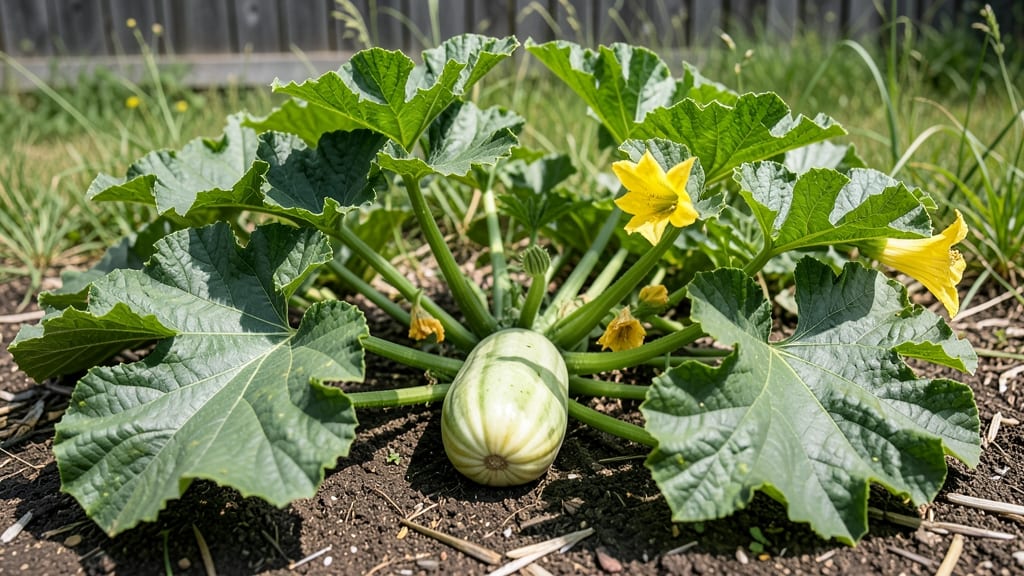
Knowing when to harvest your spaghetti squash before it’s ripe—before the skin turns dull and the flesh stays tender—can mean the difference between a delicate, stringy delight and a chewy disappointment.
Picture this: you’ve waited all summer, and your vines are browning before the squash even turns orange. Or maybe you’re in a short-season zone like 6a and need to harvest earlier to avoid frost. The good news? You can still get tender, string-free flesh if you know the signs.
Most gardeners assume spaghetti squash must be fully ripe—hard rind, dull color, dry stem—but that’s not always the case. In fact, harvesting just before full maturity often yields sweeter, more flavorful results, especially in cooler climates.
Below, I’ll walk you through the 5 key signs to pull your squash early without sacrificing quality.
Ready to avoid the "wait-and-see" game? You’ll learn how to check for subtle cues like stem shrinkage, weight changes, and even seed development—so you can enjoy your harvest weeks before the first frost hits.
5 Key signs your spaghetti squash is ready for early harvest
Harvesting spaghetti squash before it fully matures can yield tender, string-free flesh perfect for early meals. However, timing is critical—harvest too soon, and you’ll end up with watery, underdeveloped squash. The key lies in recognizing subtle visual and tactile cues that signal readiness before the rind hardens completely.
Unlike fully ripe squash, which boasts a deep golden hue and a dry, papery stem, early harvest candidates show partial color shifts and softening rinds. These signs indicate the squash is nearly mature but still flexible enough for ideal texture.
Let’s explore the five most reliable indicators to help you decide when to pick your squash for the best early harvest.
- 1 Rind Color Shift: Look for pale yellow or orange patches on the green skin. Unlike fully ripe squash, these patches won’t cover the entire surface but will appear on 50-70% of the rind. This indicates early starch development, which translates to softer, more tender flesh.
- 2 Stem Softness: The stem should feel slightly soft when pressed but not mushy. Unlike a fully dried stem (which signals overripe squash), an early harvest stem will bend slightly without snapping. This means the squash is nearly mature but still flexible for harvesting.
- 3 Seed Development: Gently tap the squash—if you hear a dull thud (not a hollow sound), seeds are partially developed. For early harvest, seeds should be small but visible when the squash is cut open. Overripe seeds will be large and hard, indicating the squash has passed its prime.
- 4 Vine Condition: The vines should show early senescence, with yellowing leaves near the base but green leaves still active on the top. Unlike fully mature squash (where vines are completely brown), early harvest vines will have a mixed color pattern, signaling the plant is redirecting energy to the fruit.
- 5 Weight and Firmness: Lift the squash—it should feel heavy for its size but not rock-hard. Press your thumb into the rind: if it yields slightly (like a ripe avocado) but doesn’t dent deeply, it’s ready. A fully ripe squash will feel solid and unyielding, while an underripe one will feel light and spongy.
When you spot these early harvest cues, act quickly. Spaghetti squash can go from perfectly tender to tough and fibrous in just a few days. Use a sharp knife or pruners to cut the squash from the vine, leaving a 1-inch stem attachment to prevent rot during storage.
After harvesting, store your squash in a cool, dry place (around 50-55°F) for up to 2 weeks. If you’re unsure about its readiness, cut one open—the flesh should be pale yellow and stringy (like spaghetti) but not watery or underdeveloped.
This is your green light for a successful early harvest!
Pro tip: If your squash shows only 2-3 of these signs, wait 3-5 days and recheck. Patience ensures you avoid underripe squash that’s too watery or seedy for ideal eating.
Harvesting early isn’t just about getting a head start—it’s about balancing flavor and texture. With these five key signs, you’ll master the art of timing your spaghetti squash harvest like a pro. Happy gardening!
How to harvest and prepare underripe spaghetti squash for maximum tenderness
Harvesting your spaghetti squash before full ripeness can be a game-changer if you're facing early frost threats or simply eager to enjoy homegrown produce sooner. The key lies in knowing how to handle the tougher flesh and less developed strands that come with premature harvests.
With the right techniques, you can transform underripe squash into a tender, flavorful meal that rivals its fully mature counterpart.
First, confirm your squash is ready for early harvest by checking for a dull yellow-orange rind and a slightly dry stem. Unlike fully ripe squash, underripe specimens won’t have the same sweetness, but they can still deliver a satisfying texture when prepared correctly.
The secret? A combination of proper storage and gentle cooking methods to break down the firmer flesh.
Use a sharp knife to cut the squash from the vine, leaving a 1-inch stem attached. Avoid dropping or bruising the fruit, as this accelerates spoilage.
Place squash in a warm, dry spot (70-80°F) to harden the rind. This step mimics natural ripening and helps soften the flesh slightly before storage.
Keep squash in a cool, dark place (50-55°F) for up to 2-3 weeks. Underripe squash stores better than overripe—avoid refrigeration until ready to use.
Microwave whole squash for 8-10 minutes (pierced with a fork) to jumpstart the cooking process. This reduces cooking time later and prevents uneven texture.
Cut squash in half, brush with olive oil, and roast at 400°F for 30-40 minutes. Add a cup of water to the baking tray to create steam and tenderize the flesh.
Use a fork or spoon to separate strands—underripe squash may require more effort. Expect shorter, thicker strands than fully ripe squash.
If your underripe squash still feels too fibrous after cooking, try simmering the strands in broth or tomato sauce for 5-10 minutes. This extra step adds moisture and helps break down the tougher cell walls.
For best results, pair your squash with rich sauces or cheeses to complement its milder flavor profile.
Remember, harvesting early is a trade-off—you’ll sacrifice some sweetness, but the earlier harvest date and freshness often make it worthwhile. Next time you’re tempted to wait for full ripeness, try these steps and enjoy your spaghetti squash weeks ahead of schedule.
🌱