
Vegetables
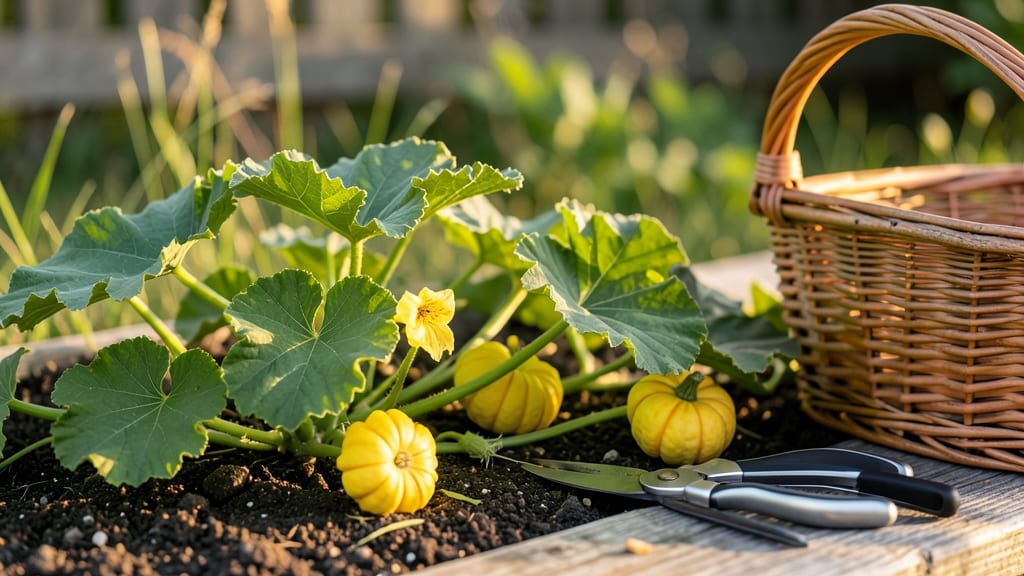
These small green round squash varieties—pattypan, scallop, and baby boo—stand out with their distinctive shallow, bell-like shape and smooth, glossy skin. Harvest them at 3-5 inches wide for the best flavor, as they grow best in warm climates with well-drained soil.
Identifying these squash isn't just about their shape—it's their texture and growth habits that set them apart. 🌱 Unlike cucumbers or zucchini, their skin stays tender even when fully ripe, making them perfect for quick cooking.
I've found that pattypan squash, with its scalloped edges, is often confused with scallop squash, but the key difference is the pattypan's slightly ribbed surface.
All three varieties thrive in 60-80°F temperatures, so if you're growing them, keep an eye on soil moisture—they wilt fast in dry conditions but rot if overwatered.
When it comes to cooking, their small size means they cook faster than larger squash. I love grilling them whole for a smoky flavor or stuffing them with cheese and herbs for a quick side dish. Never skip the salt when prepping—their delicate flavor needs a boost.
For storage, keep them in the fridge for up to a week, but use them sooner if you can—they're at their peak when fresh!
💡 In This Article
- Distinguishing Features of Round Green Squash Varieties
- Best Cooking Methods for Small Green Round Squash
Distinguishing features of round green squash varieties
The most striking difference between pattypan, scallop, and baby boo squash lies in their unique rims. Pattypan squash boasts scalloped edges that resemble a lobster tail, while scallop squash has smooth, rounded lobes that look like seashells.
Baby boo squash, the smallest of the trio, often has a slightly ribbed texture near the stem. All three share a shallow, bell-like shape, but their skin color varies—pattypan tends to be a vibrant green, while scallop squash may develop yellow-green hues as it matures.
Size plays a crucial role in identification and flavor. At harvest, pattypan squash typically measures 3-5 inches in diameter, scallop squash reaches 4-6 inches, and baby boo squash stays compact at 2-4 inches.
The key to peak flavor is harvesting when the skin remains tender—press your thumb gently; if it yields slightly, it's ready. These varieties grow on bushy vines (not trailing like zucchini) and mature in just 45-55 days, making them perfect for short growing seasons.
Texture is another telltale trait. When fresh, their skin feels smooth and slightly waxy to the touch, almost like a cucumber but firmer. The flesh inside is pale green and delicate yet sturdy, holding its shape during cooking.
Unlike zucchini, which can become watery when overcooked, these squash varieties maintain their structure even after 10-12 minutes of roasting. This trait makes them ideal for stuffing or grilling whole without collapsing.
Color variations can help distinguish them further. Pattypan squash often stays a uniform dark green, while scallop squash may develop lighter green or yellow-green patches as it ripens. Baby boo squash sometimes shows faint streaks near the stem.
These color cues, combined with their unique rims, prevent misidentification with other summer squash like zucchini or crookneck. For gardeners, the vine type matters too—these squash grow on compact bushes (2-3 feet tall), unlike zucchini's sprawling vines.
One common mistake is confusing baby boo squash with tiny zucchini. The key difference? Baby boo squash has a shallow bowl shape and smoother skin, while zucchini grows longer and develops a rougher texture as it matures.
All three varieties thrive in full sun (6-8 hours daily) and well-drained soil with a pH of 6.0-6.8. Overwatering causes them to split, so consistent moisture (not soggy soil) is critical for optimal growth.
For the best flavor, harvest these squash in the morning when their sugars are highest. Their delicate taste pairs beautifully with herbs like thyme and basil, or cheeses such as feta and goat cheese. Unlike larger squash, their small size means they cook faster—perfect for busy weeknight meals! 🌿