
Picking
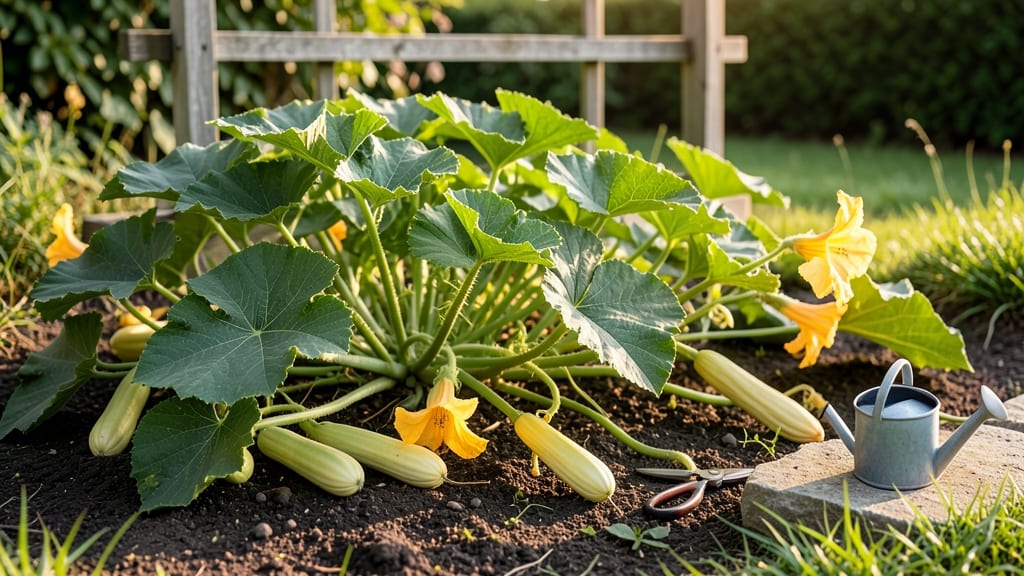
Growing saffron summer squash means golden harvests even when your yard isn’t sunny enough. 🌱 I’ve grown these shade-tolerant varieties in partial shade for years, and they produce just as well as full-sun squash—sometimes better, since they’re less stressed by heat.
The secret lies in the right soil, consistent water, and choosing cold-hardy types like ‘Sunburst’ or ‘Golden Zebra.’ Most gardeners overlook shade when planning squash beds, but these varieties thrive with just 4-6 hours of sunlight daily.
They’re also more forgiving about cool temperatures, making them perfect for early spring or late fall planting. The key is keeping the soil moist but not soggy—these squash hate wet feet but love steady hydration. By midsummer, you’ll be harvesting 12-18-inch squash with vibrant yellow skin and tender, sweet flesh.
The flavor is richer than typical summer squash, and they stay productive for weeks. Plus, their bushy growth habit saves space compared to vining varieties. If you’ve struggled with squash in shady spots, this is your chance to turn those underused areas into a productive garden.
Let’s get those seeds in the ground!
📚 In This Guide
- What you need
- Instructions
- Tips and common mistakes
- Wrapping up and next steps
What you need
- ● Saffron summer squash seeds: 3–5 seeds per plant (or 1–2 plants per container). Choose cold-hardy, shade-tolerant varieties like ‘Saffron’ or ‘Golden Summer’.
- ● Well-draining potting mix: 5–10 gallons per plant (or a high-quality garden soil blend amended with compost).
- ○ Containers (optional but helpful): 12–18" diameter pots with drainage holes, or a raised bed (at least 12" deep).
- ● Fertilizer: Balanced organic fertilizer (10-10-10) or compost tea for nutrient-rich soil.
- ● Mulch: Straw or shredded leaves to retain moisture and suppress weeds.
- ● Garden trowel or transplanting spade (for digging holes or containers).
- ● Watering can or hose with a gentle spray nozzle (avoid overwatering!).
- ● Garden gloves (to protect your hands from thorny vines or soil).
- ● Sunlight access: Partial shade (4–6 hours of dappled light daily) or dappled shade (e.g., under fruit trees).
- ● Cold-hardy zone: Zones 3–9 (saffron squash thrives in cooler climates!).
- ● Row covers or shade cloth (for extra protection in hot climates).
- ● Trellis or stakes (to support vines if space is limited).
- ● Epsom salt (1 tablespoon per gallon of water) for magnesium boosts.
- ● Companion plants like basil or marigolds (to deter pests naturally).
Step-by-step instructions for growing Saffron summer squash
Here's how to grow these cold-hardy, shade-tolerant squash varieties with minimal fuss—perfect for gardeners with cooler climates.
🌱 Step 1: Choose the Right Variety and Planting Time
Saffron summer squash thrives in cooler weather, so plant seeds 4-6 weeks before your last frost date in spring or 8-10 weeks before first fall frost for an autumn harvest. I always opt for cold-hardy varieties like 'Saffron' or 'Golden Summer Crookneck'—they handle 40-50°F nighttime temps without stress.
Direct-sow seeds ½ inch deep in well-drained soil, spacing them 2-3 inches apart in rows 3-4 feet apart. If your growing season is short, start seeds indoors 3-4 weeks before transplanting—just be sure to harden them off properly. Watch for true leaves (the second set after the initial seed leaves) before thinning to avoid disturbing roots.
☀️ Step 2: Provide Partial Shade and Consistent Moisture
Unlike traditional summer squash, saffron varieties tolerate partial shade, making them ideal for gardens with morning sun and afternoon shade. Aim for 4-6 hours of direct sunlight daily—more shade extends harvest time in hot climates. Mulch around plants with 2-3 inches of straw or shredded leaves to retain moisture and regulate soil temperature.
Water deeply once a week, providing 1-1.5 inches of water total. Keep soil consistently moist but never soggy—squash plants wilt quickly in dry conditions but also rot in waterlogged soil. You'll know moisture is right when the top 1-2 inches of soil feel damp to the touch. Drip irrigation or soaker hoses work best to avoid wetting foliage, which can invite disease.
🌿 Step 3: Fertilize and Support for Healthy Growth
Feed plants with a balanced, organic fertilizer (like 5-5-5) at planting time, then again when vines start to run. I use ½ cup per plant mixed into the soil at the base—too much nitrogen leads to leafy growth at the expense of fruit. Side-dress with compost tea or fish emulsion every 4-6 weeks for steady nutrients without burning roots.
Saffron squash varieties are bushier than traditional types, but they still benefit from light staking or trellising if vines get leggy. Use 3-4 foot tall cages or bamboo stakes to support plants if needed. Prune any yellowing or diseased leaves immediately—this prevents spread and keeps energy focused on fruit production. Harvest when squash reach 6-8 inches long for peak flavor.
✂️ Step 4: Harvest and Store for Long-Term Enjoyment
Pick squash every 2-3 days once production begins—overripe squash turn seedy and tough. Use a sharp knife or pruners to cut stems, leaving a ½ inch of stem attached to preserve freshness. Store harvested squash in a cool, dark place (like a pantry) for 1-2 weeks, or refrigerate for up to 3 weeks if you won’t use them immediately.
This variety’s cold tolerance means you can often extend harvest into early fall. If frost threatens before all squash are picked, harvest what you can and store them indoors. The first frost won’t kill the plants, but it will stop new fruit from forming—so act fast if temperatures drop below 35°F.
Tips & tricks for perfect Saffron summer squash
These simple strategies will help you maximize your harvest with minimal effort—especially if you're working with cooler climates or limited sunlight.
Variety Selection: Stick with proven cold-hardy varieties like 'Saffron' or 'Golden Summer Crookneck' when planting in spring or fall. These varieties handle 40-50°F nighttime temperatures without stress, while other summer squash may bolt or struggle. For shorter growing seasons, consider 'Saffron'—it matures faster and produces well in cooler conditions.
Planting Depth and Spacing: The ½ inch deep planting depth might seem shallow, but it prevents seeds from rotting in heavy spring rains. Space your seeds 2-3 inches apart in rows 3-4 feet apart—this gives plants room to spread without competing for nutrients. I've found that wider row spacing also improves air circulation, which is key for preventing mildew in humid climates.
Soil Temperature Matters: Before planting, check that your soil has warmed to at least 50°F—cooler soil slows germination and can lead to weak seedlings. Use a soil thermometer for accuracy, especially if you're planting early. If your soil is still cold, wait a few days or use black plastic mulch to warm it faster. The 4-6 weeks before last frost window assumes soil temps are already warming up.
Harvest Timing: Don't wait until squash reach 6-8 inches if you're in a cooler climate—they'll mature faster in warm weather. Check your plants every 2-3 days once they start flowering. Saffron varieties tend to produce smaller, more tender squash, so harvest when they're 4-6 inches for the sweetest flavor. The key is consistency—regular picking encourages more production.
Pro Tips for Saffron Summer Squash
- These simple strategies will help you maximize your harvest with minimal effort—especially if you're working with cooler climates or limited sunlight.
- Variety Selection: Stick with proven cold-hardy varieties like 'Saffron' or 'Golden Summer Crookneck' when planting in spring or fall.
- Planting Depth and Spacing: The ½ inch deep planting depth might seem shallow, but it prevents seeds from rotting in heavy spring rains.
Frequently asked questions
Got questions about growing saffron summer squash?
You’re not alone! Here are answers to the most common queries to help you cultivate a thriving harvest—even in less-than-ideal conditions.
What’s the best way to tell if my saffron summer squash is ready to harvest?
Harvest when squash are 6–8 inches long and firm to the touch, with a smooth, glossy skin. Avoid waiting too long—they’ll turn woody and bitter! Use a sharp knife or pruners to cut stems, leaving a small stub to prevent rot. Pro tip: Morning harvests yield the freshest produce.
Can saffron summer squash tolerate cold weather, or should I wait for warm soil?
This variety is cold-hardy compared to other squash, but it still prefers soil temps above 60°F (15°C) for optimal growth. Start seeds indoors 4–6 weeks before the last frost, or plant outdoors after soil warms. Use row covers if early spring nights dip below 40°F (4°C) to protect tender seedlings.
What’s the best way to store harvested saffron summer squash?
Store unwashed squash in a cool, dark place (50–55°F / 10–13°C) with good airflow, like a pantry or basement. They’ll keep for 1–2 weeks. For longer storage, wrap stems in plastic wrap and refrigerate (up to 3 weeks). Freeze tip: Slice and blanch before freezing for soups or stir-fries!
Why are my saffron summer squash flowers falling off before producing fruit?
This usually means stress from heat, drought, or poor pollination. Ensure plants get 1–2 inches of water weekly and mulch to retain moisture. Hand-pollinate by gently shaking flowers in the morning (when bees are least active) or use a small brush to transfer pollen. Bonus: Avoid over-fertilizing with nitrogen—it promotes leafy growth over fruit.
Are there any shade-tolerant alternatives if saffron summer squash struggles in my garden?
Yes! Try ‘Early Prolific Straightneck’ or ‘Warty’ summer squash—both handle partial shade better. For even lower light, consider zucchini varieties like ‘Black Beauty’ or ‘Tromboncino’, though they may yield slightly smaller harvests. Container tip: Use a 5-gallon pot with well-draining soil for compact varieties!
Wrapping up and next steps
Growing saffron summer squash is a rewarding way to enjoy a bountiful harvest with minimal fuss—even in cooler climates or shadier spots! 🌱 Whether you’re a seasoned gardener or a curious beginner, this cold-hardy variety proves that delicious produce doesn’t require perfect conditions.
Now that you’re armed with the right materials and answers to common questions, it’s time to roll up your sleeves and plant those seeds.
Ready to watch your garden thrive? Start by picking a sunny (or partially shaded) patch, prep the soil, and plant your seeds—then sit back and enjoy the journey. Happy growing! 🌿