
Picking
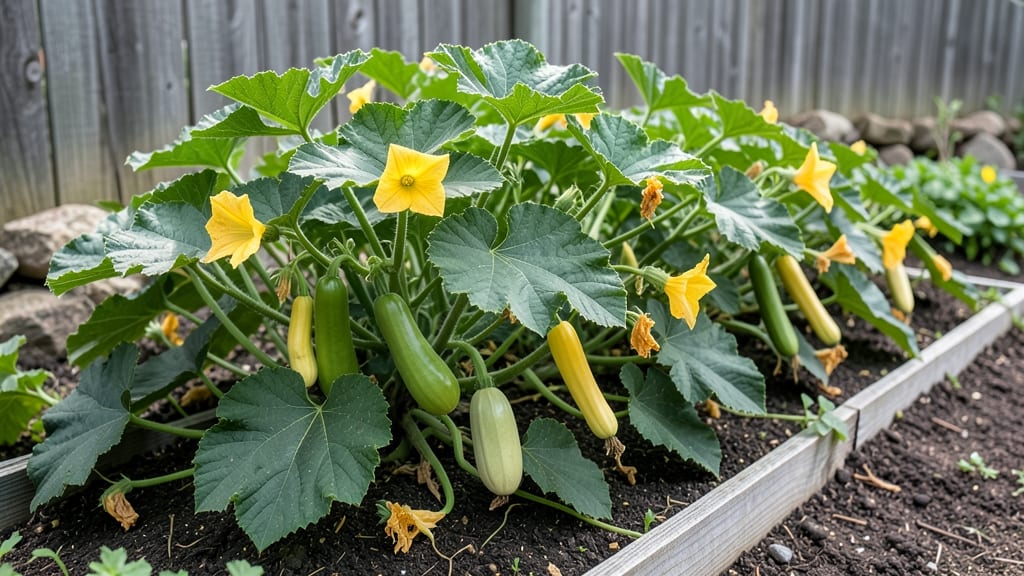
Growing Row 7 squash in tight spaces just got easier than you think. 🌱 This compact bush variety packs serious production into just 3 square feet, making it perfect for small gardens, containers, or even balcony plots where sprawling vines would take over.
I planted mine last spring in a 5-gallon fabric pot and ended up with enough squash to share with neighbors—no yard required.
The secret to success starts with well-draining soil mixed with compost (think rich, crumbly earth that holds moisture without staying soggy). Plant seeds 1 inch deep, spacing them 3-4 inches apart, and thin to the strongest plant once they’re 4 inches tall.
Row 7 squash thrives in full sun (6+ hours daily) and consistent moisture—water at the base when the top inch of soil feels dry, and avoid wetting the leaves to prevent disease.
By midsummer, you’ll see vibrant yellow blooms followed by 3-4 inch squash ready to harvest in just 50-55 days. The key is picking them young—they stay tender and sweet when harvested at 6-8 inches long.
My plants produced dozens of squash without sprawling, and the bush habit means no trellis or staking needed. Even my black thumb couldn’t kill these.
Watch for cucumber beetles and squash vine borers—cover young plants with row fabric until they’re established, and handpick pests early. If you notice wilting vines, check for borers and treat with neem oil.
With proper care, Row 7 squash delivers reliable harvests in small spaces, proving that big yields don’t need big gardens. Ready to try it?
📚 In This Guide
- What you need
- Instructions
- Tips and common mistakes
- Wrapping up and next steps
What you need
- ● Seeds: 3–5 Row 7 Squash seeds (or 1–2 seedlings if transplanting). Look for heirloom or organic seeds for best results!
- ● Growing Space: Small garden bed (minimum 3 ft x 3 ft)
- ● OR 5-gallon container (with drainage holes) for each plant
- ● Soil: Well-draining, fertile potting mix or garden soil (amend with compost for richer nutrients).
- ● Fertilizer: Balanced organic fertilizer (10-10-10) or compost tea for a nutrient boost.
- ● Watering Can or Hose: With a gentle spray nozzle to avoid disturbing seedlings.
- ● Mulch: Straw or shredded leaves to retain moisture and suppress weeds.
- ○ Trellis or Cage (Optional but Helpful): A small tomato cage or DIY trellis to support vines if they sprawl.
- ● Row covers or shade cloth to protect young plants from pests or harsh sun.
- ● Epsom salt (1 tbsp per plant) for magnesium-rich soil if leaves look yellow.
- ● Pruning shears to trim excess vines or encourage bushier growth.
- ● Pest control: Neem oil or insecticidal soap for aphids or squash bugs.
Step-by-step guide to growing Row 7 squash in small spaces
This compact bush variety thrives in tight spots—here's how to coax the most from it.
🌱 Step 1: Prepare the Planting Site for Compact Growth
Row 7 squash loves warmth and space efficiency, so choose a location with full sun (at least 6-8 hours daily) and well-draining soil. Since it's a bush variety, you won’t need trellises—just a 4-foot diameter circle per plant. If growing in containers, select 5-gallon pots with drainage holes.
Before planting, amend the soil with 2 inches of compost mixed into the top 6 inches of soil. Row 7 squash prefers slightly acidic to neutral soil (pH 6.0-7.0). Test your soil’s pH with a kit—if it’s off, adjust with sulfur (for high pH) or lime (for low pH) 2-3 weeks before planting.
🌱 Step 2: Plant Seeds or Transplants at the Right Time
Start seeds indoors 4-6 weeks before your last frost date if your climate is cool, or sow directly outdoors 2-3 weeks after frost when soil reaches 60°F. Plant seeds 1 inch deep and 3-4 inches apart in rows 4 feet apart for bush varieties. If transplanting, space seedlings 2 feet apart in a grid pattern to maximize airflow and reduce disease risk.
Here’s the thing—Row 7 squash hates cold soil. If planting outdoors, wait until nighttime temperatures stay above 55°F. Use black plastic mulch to warm the soil faster and suppress weeds. Water gently after planting to settle the soil without disturbing seeds.
☀️ Step 3: Maintain Consistent Water and Fertility
Keep the soil evenly moist but not soggy—Row 7 squash is drought-tolerant once established, but young plants need 1 inch of water per week. Water at the base in the morning to prevent fungal diseases. Mulch with 2-3 inches of straw to retain moisture and keep roots cool.
Fertilize lightly—too much nitrogen leads to leafy growth at the expense of fruit. Use a balanced 10-10-10 fertilizer at planting, then switch to a low-nitrogen, high-phosphorus (5-10-10) formula when flowers appear. Side-dress with compost mid-season to encourage fruiting.
✂️ Step 4: Prune and Harvest for Maximum Yield
Row 7 squash is a bush type, so pruning is minimal—but remove any suckers (side shoots) that form at the base of the plant to direct energy to fruit production. Also, prune off any yellowed or diseased leaves immediately to prevent spread. Harvest when squash are 6-8 inches long and firm to the touch, using a sharp knife or pruners to avoid damaging the vine.
This is the moment that matters: Harvest consistently to encourage more production. Left on the vine too long, squash turn woody and bitter. Store harvested squash in a cool, dry place (50-55°F) for up to 2 months. If frost threatens before harvest, pick squash early—they’ll ripen off the vine if left in a sunny spot.
⏰ Step 5: Extend the Season with Simple Tricks
To squeeze extra weeks from your Row 7 squash, use row covers in early spring or late fall to protect plants from light frosts (down to 28°F). If growing in containers, move pots to a sunny garage or porch during cold snaps. In warm climates, succession plant seeds every 2 weeks for a continuous harvest.
Don’t skip this (I learned the hard way): Row 7 squash is susceptible to powdery mildew in humid conditions. Space plants properly and water at the base to keep foliage dry. If mildew appears, spray with a baking soda solution (1 tbsp baking soda + 1 quart water + a drop of dish soap) every 7-10 days until the problem clears.
Tips & tricks for perfect Row 7 squash growth
Common pitfalls—and how to sidestep every one when growing this compact variety.
Sunlight Strategy: Those 6-8 hours of daily sun are non-negotiable for Row 7 squash. If your space gets less light, supplement with a grow light for 12-14 hours/day to maintain vigor. I've seen plants in partial shade produce smaller fruit—don't let that happen to you. Position containers on a sunny windowsill or use reflective surfaces (like white walls) to bounce extra light onto the plants.
Soil Temperature Matters: The 60°F soil temperature threshold isn't just a suggestion—it's when seeds actually start germinating. Use a soil thermometer to verify before planting. If your soil runs cold, try planting in black pots (they absorb heat) or cover with clear plastic for a few days to warm it up. Nighttime temps below 55°F can stall growth entirely, so plan accordingly for early spring plantings.
Watering Wisdom: The 1 inch per week guideline applies to established plants, but young seedlings need more frequent watering—about every 2-3 days to keep soil consistently moist. The key is morning watering at the base to prevent fungal issues. I've seen powdery mildew take hold within days when foliage stays damp overnight. Use a watering wand with a gentle spray setting to avoid disturbing the soil around delicate seedlings.
Harvest Timing: Those 6-8 inch squash should feel firm when gently pressed—like a ripe avocado. If you wait too long, the skin toughens and the flesh becomes fibrous. I harvest mine every 3-4 days during peak production to encourage continuous fruiting. Use pruning shears for clean cuts, leaving a small stem attached to prevent rot. The earlier you harvest, the sweeter the flavor—trust me, it makes all the difference in your dishes.
Pro Tips for Row 7 Squash
- Common pitfalls—and how to sidestep every one when growing this compact variety.
- Sunlight Strategy: Those 6-8 hours of daily sun are non-negotiable for Row 7 squash.
- Soil Temperature Matters: The 60°F soil temperature threshold isn't just a suggestion—it's when seeds actually start germinating.
Frequently asked questions
What’s the best time to plant Row 7 Squash?
Row 7 Squash thrives in warm soil—wait until after the last frost when nighttime temps stay above 50°F (10°C). For containers or short seasons, start seeds indoors 2–3 weeks earlier and transplant seedlings. If your growing zone has a long summer, you can even try successive plantings every 2 weeks for a continuous harvest!
How big should my container be for Row 7 Squash?
This bush variety is compact but not tiny—aim for at least a 5-gallon container (18–20 inches wide) for one plant. If you’re growing two, use a 10-gallon pot (24+ inches wide) with well-draining potting mix and supportive stakes (since vines can spread 3–4 feet). Pro tip: Fabric grow bags work great for airflow!
What pests should I watch for with Row 7 Squash?
Common culprits include squash bugs, cucumber beetles, and aphids. Prevent issues with row covers early in the season, neem oil sprays, or handpicking pests (check undersides of leaves!). For squash vine borers, wrap the base of the stem with aluminum foil—it confuses the larvae!
Can I eat Row 7 Squash raw, or is it best cooked?
Yes! While Row 7 Squash is often used in soups, stews, or roasted dishes, young, tender fruits (under 6 inches) can be sliced raw in salads for a nutty, slightly sweet flavor. Wait until the skin toughens before cooking—this variety is denser than zucchini, so it holds up well to grilling or frying.
How do I extend the harvest season for Row 7 Squash?
To beat cooler weather, use black plastic mulch or row covers to trap heat. In containers, move pots to a sunny indoor spot (like a greenhouse or under grow lights) when temps drop below 55°F (13°C). For a late-season boost, prune excess vines to redirect energy to fruit production.
What’s a good alternative if Row 7 Squash doesn’t thrive?
If space or pests are an issue, try these compact squash varieties:
- Eight Ball Squash – Tiny, round, and prolific (great for containers!).
- Bush Delicata – Sweet, edible-skinned, and cold-tolerant.
- Patio Star Squash – Disease-resistant and high-yielding.
Wrapping up and next steps
Row 7 Squash is the perfect choice for gardeners with limited space—its compact, bushy growth and high yield make it a standout for containers and small plots! 🌱 Whether you're a beginner or a seasoned pro, this variety delivers flavor, productivity, and ease of care. Ready to grow? Start by selecting healthy seeds or seedlings, then plant them in well-draining soil with full sun exposure.
Your next step? Get planting! With the right care, you’ll soon be harvesting delicious squash—proving that even small gardens can deliver big rewards. Happy growing! 🌟