
Vegetables
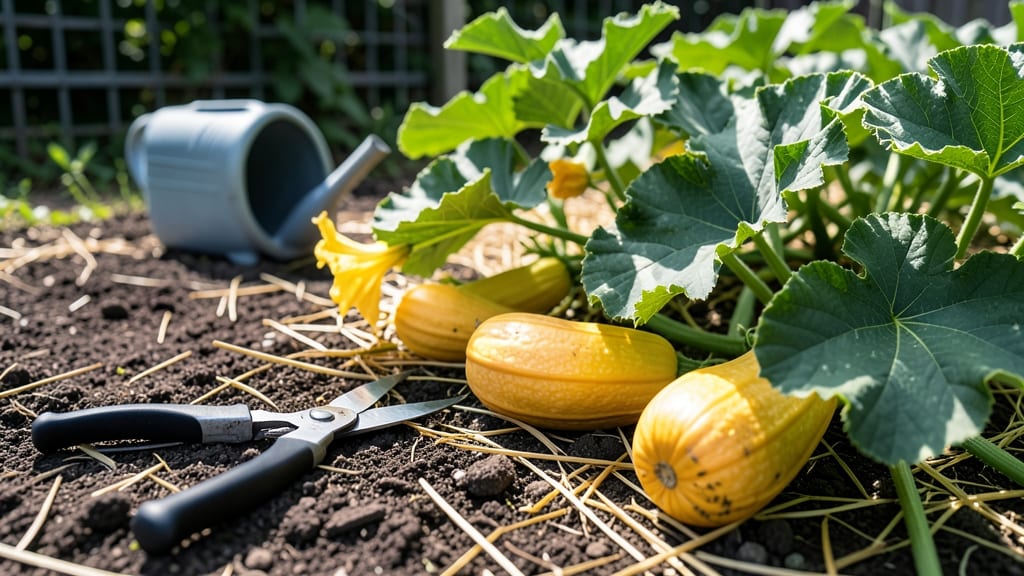
Growing round flat yellow squash like pattypan or scallop squash means summer harvests of sweet, tender fruit that disappear from stores by August. 🌞 I’ve grown these squash for years, and the secret isn’t complicated—it’s all about warmth, space, and timing.
These squash thrive in hot climates but can also produce in cooler zones if you start them early indoors.
They need full sun (at least 6-8 hours daily) and rich, well-draining soil mixed with compost. Plant seeds 1 inch deep, 3-4 feet apart in hills, and watch for those first leaves within 5-7 days.
The key? Keep the soil consistently moist but not soggy—these squash hate wet feet.
By mid-summer, you’ll be harvesting bright yellow, scallop-edged fruits that taste best when picked small (4-6 inches wide). They’re ready in just 45-55 days from transplant, and the more you pick, the more they produce.
Just watch for squash vine borers—cover young plants with row fabric if they’re a problem in your area.
Perfect for beginners, these squash are foolproof once you get the basics right. They handle heat better than zucchini, store well, and even do well in containers if you choose compact varieties. Let’s get those seeds in the ground!
The Hidden Triggers Behind Flat Squash
Flat, round yellow squash—whether you’re growing patio pansies (like the classic Cocozelle or Yellow Crookneck) or summer squash—can develop unexpected shapes due to a mix of environmental and cultural factors.
Understanding these causes helps you take corrective action early. Here’s why your squash might be turning out flatter (or rounder) than expected, and how to fix it.
Flat squash often starts as a sign of incomplete pollination, where the flower’s reproductive process fails to fertilize the ovary properly. This leads to underdeveloped fruit that stays small, round, or even malformed.
Why it happens:
- Bee & Pollinator Shortages: Squash rely on bees, butterflies, or even wind to transfer pollen between male and female flowers. If pollinators are scarce (due to pesticides, early mornings, or cool weather), fertilization stalls.
- Timing Mismatch: Female flowers (with tiny squash at their base) must open before male flowers (with long stems) release pollen. If female flowers close before pollination, the squash may remain stunted or flat.
- Overcast or Rainy Days: Pollen grains struggle to stick in damp conditions, reducing fertilization rates.
Actionable fixes:
- Hand-pollinate by gently brushing male flower stamens onto female stigmas (the tiny protrusions) with a paintbrush or cotton swab.
- Plant pollinator-friendly flowers (like marigolds or borage) nearby to attract bees.
- Pick male flowers early in the morning when they’re freshest and use them to pollinate female blooms.
Yellow squash thrive in warm but not scorching conditions. When temperatures swing too high or too low, the plant diverts energy away from fruit development, leading to flat or misshapen squash.
Why it happens:
- Heat Stress (Above 90°F): High temperatures cause blossom drop (flowers fall off before pollination) or poor fruit set, resulting in small, round squash.
- Cold Snaps (Below 50°F): Chilly nights slow metabolism, stunting growth and causing squash to stay compact.
- Frost Damage: Even a light frost can kill young squash or prevent proper swelling.
Actionable fixes:
- Use shade cloth during heatwaves to keep soil temps below 90°F.
- Mulch heavily with straw or grass clippings to insulate roots and regulate soil temperature.
- Choose heat-tolerant varieties like Yellow Straightneck or Early Prolific Straightneck if you live in a hot climate.
Water stress—whether from drought or overwatering—disrupts cell growth in developing squash, leading to flat, lopsided, or stunted fruit.
Why it happens:
- Underwatering: Squash need 1–2 inches of water per week. Drought causes cells to shrink, resulting in hard, small, or flat squash.
- Overwatering: Poor drainage or soggy soil leads to root rot or blossom end rot (a calcium deficiency symptom), both of which stunt growth.
- Inconsistent Moisture: Fluctuating water levels confuse the plant, causing uneven swelling.
Actionable fixes:
- Water deeply 2–3 times per week (early morning is best) and avoid wetting leaves to prevent disease.
- Use drip irrigation to deliver consistent moisture directly to the roots.
- Test soil moisture by sticking your finger 1–2 inches deep—if it’s dry, water; if it’s muddy, hold off.
Squash are heavy feeders, but too little or too much of certain nutrients can distort fruit shape. Flat squash often signal a deficiency in calcium, boron, or nitrogen, or an excess of nitrogen.
Why it happens:
- Calcium Deficiency: Causes blossom end rot (black, leathery spots) and prevents proper cell expansion, leading to flat, deformed squash.
- Boron Deficiency: Essential for cell wall formation; a lack of boron results in hollow, cracked, or stunted fruit.
- Excess Nitrogen: While nitrogen promotes leafy growth, too much diverts energy away from fruit development, leaving squash small and round.
Actionable fixes:
- Side-dress with compost or a balanced fertilizer (10-10-10) when vines start flowering.
- Apply crushed eggshells or lime to boost calcium, especially in sandy or acidic soils.
- Avoid over-fertilizing—follow package instructions and split applications over the growing season.
Certain pests and pathogens damage young squash or interfere with pollination, leading to flat, underdeveloped fruit.
Why it happens:
- Squash Bugs & Aphids: These sap-sucking pests weaken plants, reducing their ability to support proper fruit growth.
- Cucumber Beetles: They transmit bacterial wilt, causing sudden wilting and fruit deformities.
- Powdery Mildew: A fungal disease that clogs stomata (leaf pores), reducing photosynthesis and stunting squash development.
Actionable fixes:
- Handpick pests early in the morning and drop them in soapy water.
- Use row covers to block beetles and bugs before they lay eggs.
- Spray neem oil or copper fungicide preventatively if mildew appears.
When squash plants are too close together, they compete for sunlight, water, and nutrients—leading to weak vines and poor fruit development.
Why it happens:
- Shaded Leaves: Without enough light, plants prioritize leaf growth over fruit, resulting in small, flat squash.
- Root Competition: Overcrowded roots struggle to absorb enough water and nutrients, stunting overall growth.
Actionable fixes:
- Space plants 2–3 feet apart (or 3–4 feet for bush varieties).
- Prune lower leaves to improve airflow and sunlight penetration.
- Thin seedlings early to avoid overcrowding as they mature.
Some round yellow squash varieties (like Yellow Crookneck or Patio) are naturally smaller or flatter than long types like Zucchini. If you’re expecting a different shape, it might just be genetics!
Why it happens:
- Genetic Dwarfism: Certain heirloom or patio varieties are bred to stay compact for container growing.
- Harvest Timing: Squash meant for baby sizes (like Eight Ball) will stay round if picked too early.
Actionable fixes:
- Check seed packets for expected fruit shape and size.
- Harvest consistently to encourage continuous production (overripe squash can turn lopsided).
Fixing common flat yellow squash growing woes
Growing round, flat yellow squash like pattypan or scallopini can be incredibly rewarding, but even the most experienced gardeners face challenges. The good news? Most issues have simple, practical fixes. Below, we’ve mapped out the most common problems and their solutions—plus prevention tips to keep your squash thriving.
Cause: Cold soil, improper planting depth, or old seeds. Fix:
- 🔥 Warm Up the Soil: Wait until the soil reaches at least 60°F (15°C) before planting. Use black plastic mulch or a cold frame to speed up warming.
- 🍳 Plant Correctly: Sow seeds 1 inch deep, spacing them 2–3 inches apart. Thin seedlings to 12–18 inches apart once they’re 3–4 inches tall.
- 🌱 Use Fresh Seeds: Store-bought seeds last 1–2 years—if yours are older, test viability by soaking in water (floating seeds won’t sprout).
Prevention Tip: 💡 Start seeds indoors 2–3 weeks before the last frost for a head start, then transplant seedlings when soil is warm.
Cause: Overcrowding, nutrient deficiencies, or pests. Fix:
- 👨🍳 Thin Your Plants: Squash need space to breathe—prune crowded vines and remove weak seedlings. Aim for 2–3 strong plants per hill.
- 🥘 Fertilize Right: Feed with a balanced 10-10-10 fertilizer at planting, then switch to a low-nitrogen, high-phosphorus (like 5-10-10) when flowers appear. Compost around the base for slow-release nutrients.
- 🔪 Check for Pests: Yellowing leaves often signal cucumber beetles or squash bugs. Handpick pests or use neem oil spray weekly for prevention.
Prevention Tip: 🌡️ Mulch with straw to retain moisture and deter pests—consistent watering (1–2 inches per week) prevents stress-related yellowing.
Cause: Calcium deficiency or irregular watering. Fix:
- 💧 Water Consistently: Squash roots are shallow—keep soil evenly moist (never soggy). Drip irrigation or soaker hoses work best.
- 📊 Boost Calcium: Sprinkle crushed eggshells or calcium nitrate around plants. A foliar spray of 1 tsp calcium chloride per gallon of water can help existing fruit.
- ⏰ Avoid Stress: Fluctuating moisture causes cracks or rot. Morning watering reduces evaporation and fungal risks.
Prevention Tip: ✨ Plant companion crops like beans or radishes to improve soil structure and calcium availability.
Cause: Damp conditions, weak plants, or lack of barriers. Fix: - 🛡️ Physical Barriers: Use row covers early in the season to block cucumber beetles. Remove covers when flowers appear to allow pollination. - 🌿 Natural Repellents: Plant basil, marigolds, or nasturtiums nearby—their scents deter pests.
For mold (like powdery mildew), spray with a 1:1 water-vinegar mix or baking soda solution (1 tbsp per gallon). - 🔪 Manual Removal: Check undersides of leaves daily for squash vine borers or aphids. Drop them into soapy water immediately.
Prevention Tip: 🎯 Rotate crops yearly to break pest cycles—don’t plant squash in the same spot two years in a row.
Cause: Insufficient sunlight, poor pollination, or over-fertilizing with nitrogen. Fix: - 🌞 Maximize Sunlight: Ensure plants get 6–8 hours of direct sun daily.
Trim nearby shade trees or relocate if needed. - 🐝 Hand-Pollinate: If bees are scarce, gently shake plants in the morning or use a small brush to transfer pollen from male (long stem) to female (tiny fruit at base) flowers. - 💪 Balance Fertilizer: Too much nitrogen = leafy growth, no fruit.
Switch to a phosphorus-heavy fertilizer (like bone meal) to encourage flowering.
Prevention Tip: 🥗 Harvest regularly—pattypan squash produce best when picked frequently (every 3–5 days) to encourage continuous blooming.
Cause: Frost damage or early planting in cool climates. Fix: - 🌡️ Extend the Season: Use floating row covers to protect young plants from light frosts.
For late harvests, mulch heavily with straw to insulate roots. - 🔥 Start Later: In cool zones, wait until after the last frost (or use a mini greenhouse) to plant. Opt for faster-maturing varieties like ‘Sunburst’ or ‘Golden Zebra.’
Prevention Tip: 🌱 Plant in hills (mound soil around roots) to improve drainage and warmth retention in chilly soils.
💡 Keep a garden journal! Note what works (and what doesn’t) each season—soil pH, rainfall, and pest patterns can vary yearly. With these fixes, your round flat yellow squash will go from struggling to stunning in no time!
Frequently asked questions
What's the difference between pattypan squash and scallopini?
Pattypan squash (like Cocozelle) and scallopini are essentially the same variety—both are round, flat yellow squash with scalloped edges. The main difference is size: pattypan typically grows 4-6 inches wide, while scallopini is a smaller, more compact version perfect for containers. They’re both delicious when harvested young!
Can I grow round yellow squash in containers?
Choose compact varieties like Eight Ball or Patio Pansy, which thrive in 5-gallon containers with well-draining soil. Use a large pot with drainage holes, plant 1-2 seeds per container, and ensure it gets full sun (6+ hours daily). Container-grown squash may produce slightly smaller fruit but are easier to manage.
How do I know when round yellow squash is ripe?
Look for bright yellow color and smooth, firm skin—no soft spots! The size should be 4-6 inches wide for optimal flavor. Check every 3-5 days as they ripen quickly. Overripe squash turns dull yellow and develops a hollow stem. Harvest in the morning for best texture.
Why are my squash flowers falling off before setting fruit?
This usually happens due to temperature stress (below 50°F or above 90°F) or poor pollination. Try hand-pollinating flowers with a small brush, or plant bee-friendly flowers nearby like marigolds. Mulch heavily to stabilize soil temperatures and avoid watering during flowering hours to prevent shock.
How long do round yellow squash plants produce?
With proper care, these squash plants produce for 4-6 weeks once they start flowering. For a longer harvest, pick fruits frequently and remove any that turn yellow or develop soft spots. After the main harvest, you can compost the plants or let them go to seed for next year's crop!