
Picking
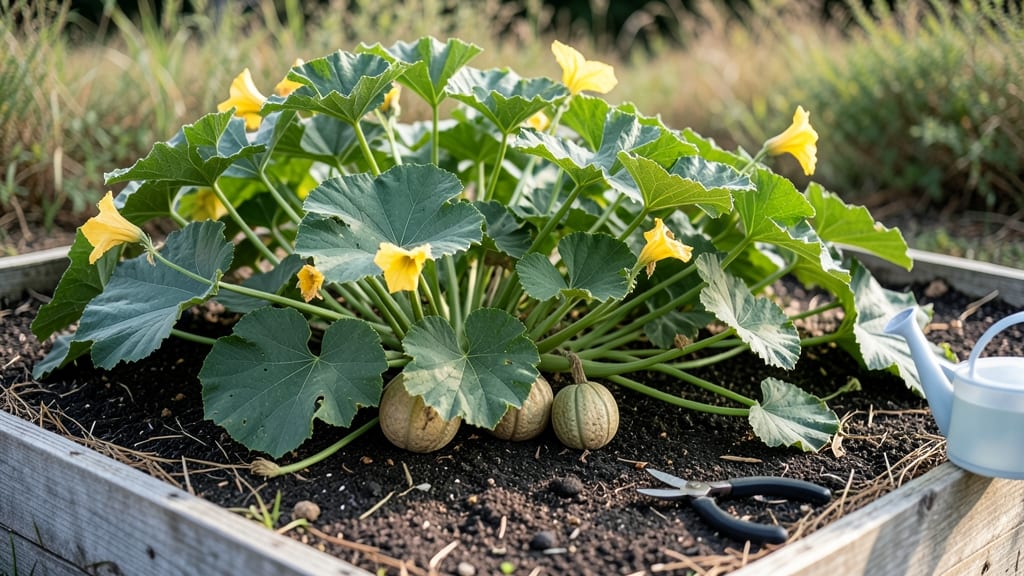
Growing Robin’s koginut squash means winter harvests without the usual headaches—this cold-hardy variety thrives where others fail. 🌱 I’ve grown it in containers for three years, and it delivers heavy, sweet squash even when frost nips at the edges.
The secret lies in its resilience: plant too early, too late, or in poor soil, and most winter squash give up. Not this one. You’ll need 5-gallon containers (or larger) with well-draining soil and a spot that gets 6-8 hours of sun daily.
Robin’s Roginut handles cooler temps better than most, but it still needs warmth to start. Start seeds indoors 4-6 weeks before your last frost, then transplant after soil warms to 60°F. The vines spread wide—give them 3-4 feet of space or let them trail over container edges.
Harvest when the rind turns hard and the stem shrinks where it meets the fruit—usually 85-100 days after transplanting. Store them in a cool, dry place (50-55°F) for months. The flavor deepens over time, making them a pantry staple.
Just watch for squash vine borers; floating row covers early on keep them at bay. This variety forgives mistakes—drought, cooler nights, even container roots—but timing and space are key. Skip the overwintering tricks; Robin’s Roginut delivers reliable harvests with minimal fuss. Ready to try it?
📚 In This Guide
- What you need
- Instructions
- Tips and common mistakes
- Wrapping up and next steps
What you need
- ● Container: Minimum 5-gallon pot (or larger) per plant—bigger is better!
- ○ Fabric grow bags (optional but ideal for drainage) or plastic/terracotta pots with drainage holes
- ● Potting Mix: 1 part high-quality all-purpose potting soil (e.g., Miracle-Gro or FoxFarm)
- ● 1 part compost or worm castings (for nutrients)
- ● 1 part perlite or vermiculite (for aeration and drainage)
- ● Seeds: Robins Koginut squash seeds (5–10 seeds per container, thinned to 2–3 strongest seedlings)
- ● Fertilizer: Balanced 10-10-10 or 5-5-5 granular fertilizer (mix 1 tbsp per gallon of soil)
- ○ Compost tea or liquid seaweed (optional, for a nutrient boost)
- ● Tools: Trowel or small hand shovel
- ● Watering can with a gentle spray nozzle
- ● Pruning shears (for harvesting and trimming vines)
- ● Self-watering container or wicking system (to reduce watering frequency)
- ● Container saucers or drip trays (to catch runoff and protect surfaces)
- ● Mulch (straw or shredded leaves) to retain moisture and regulate soil temp
- ● Trellis or tomato cage (if growing in a vertical space—though squash vines can sprawl!)
- ● Row covers or frost cloth (for early/late-season protection)
Step-by-step guide to growing Robins Koginut squash in containers
Here's how to grow this cold-resistant squash variety successfully in pots—no garden needed.
🌱 Step 1: Select and Prepare Your Containers
Robins Koginut squash needs 5-gallon containers minimum—each plant will spread about 3 feet wide if given room. I use fabric grow bags because they prevent root circling and let excess water drain freely. Make sure each container has multiple drainage holes—soggy roots will rot the vines before harvest.
Fill containers with a mix of 60% potting soil and 40% compost to give those squash vines the nutrients they crave. Tap the soil gently to settle it, then water until it's evenly moist but not dripping. The goal is a fluffy, airy medium that won't compact when the roots expand.
🌿 Step 2: Plant Seeds at the Right Time and Depth
Wait until soil temperatures reach 60°F—Robins Koginut tolerates cooler soil better than most squash, but it still needs warmth to germinate. Plant 2-3 seeds per container at a depth of 1 inch, spacing them 6 inches apart if using larger pots. I like to plant extra seeds because germination can be spotty with squash.
Cover lightly with soil and mist gently with water until the surface looks damp. Place containers in a warm spot (70-80°F) until sprouts appear in 7-14 days. Once seedlings emerge, thin to the strongest plant per container—snip the others at the soil line rather than pulling to avoid disturbing roots.
☀️ Step 3: Provide Support and Consistent Care
Robins Koginut grows on bushy vines that benefit from 3-4 feet of trellis or cage support. I use tomato cages because they're sturdy enough to hold the squash's weight without bending. Train vines gently as they grow, guiding them upward rather than letting them sprawl.
Water deeply 1-2 times per week, keeping soil consistently moist but never soggy. The secret to container squash is steady moisture—let the top inch dry between waterings, but never let the roots dry out completely. You'll know you're doing it right when the vines stay vibrant green and new leaves unfurl regularly.
⏰ Step 4: Monitor for Pests and Harvest at Peak
Watch for squash bugs and cucumber beetles—they love Robins Koginut too. I handpick adults daily and use row covers early in the season to prevent infestations. If you spot yellowing leaves, check the undersides for eggs and remove them immediately.
Harvest when squash reach 6-8 inches in diameter and the skin turns hard and dull-colored. Use a sharp knife to cut stems, leaving 1 inch of stem attached to prevent rot. The flavor peaks when the skin can't be pierced with a fingernail—this variety stores well for months if cured properly in a dry, cool place.
Tips & tricks for perfect Robins Koginut squash container growing
Let me share the hard-won lessons I've learned after growing Robins Koginut in containers for three seasons straight.
Soil Temperature Secret: That 60°F soil temperature threshold is non-negotiable for germination, but here's what nobody tells you—if your containers sit on concrete or cold patios, they'll stay cooler than the air temperature. Place them on wooden boards or use heat mats during cool evenings to maintain that critical warmth. I've seen germination rates drop by 50% when soil stays below 55°F.
Container Size Matters: While the instructions mention 5-gallon minimum containers, I've found that 7-gallon containers give you more room for root expansion and better stability. The extra space means you won't need to water as frequently, and the plants handle heat waves better. Just make sure to add extra compost to maintain that 60-40 soil mix ratio in the larger volume.
Pest Prevention Pro Tip: For those pesky squash bugs and cucumber beetles, I've had the best luck with a two-pronged approach: Start with row covers for the first 4 weeks, then switch to neem oil spray every 5 days once flowers appear. The row covers prevent egg-laying while the neem oil disrupts the life cycle of any pests that do find their way in. This combo has kept my plants pest-free for entire seasons.
Harvesting Hack: When checking for doneness at 6-8 inches, tap the squash gently with your knuckles—it should sound hollow like a drum. If it thuds, it needs more time. I also check the stem attachment point: when it's ready, the stem will pull away cleanly with just a slight tug. This method is more reliable than just looking at size, especially with this cold-hardy variety that sometimes matures unevenly.
Pro Tips for Robins Koginut Squash
- Let me share the hard-won lessons I've learned after growing Robins Koginut in containers for three seasons straight.
- Place them on wooden boards or use heat mats during cool evenings to maintain that critical warmth.
- Container Size Matters: While the instructions mention 5-gallon minimum containers, I've found that 7-gallon containers give you more room for root expansion and better stability.
Frequently asked questions
Got questions about growing Robins Koginut squash in containers?
You’re not alone! Here are answers to the most common ones to help you grow this cold-hardy variety with confidence.
How cold can Robins Koginut squash tolerate before it’s at risk?
Robins Koginut is one of the hardiest winter squash varieties, handling light frosts down to 25–28°F (-4 to -2°C). However, prolonged exposure to temps below 20°F (-7°C) can damage the vines. For best results, grow in containers and move them to a sheltered spot or greenhouse if frost is forecasted.
What’s the ideal container size for Robins Koginut squash?
This variety needs space to sprawl—aim for a container at least 12–18 inches deep and 36+ inches in diameter. A 5-gallon bucket or large fabric grow bag works well, but if you’re growing more than one plant, opt for a half-barrel or raised bed (2–3 feet wide). Use a trellis if space is tight!
How long does it take for Robins Koginut to mature?
Expect a harvest in 85–100 days from transplanting, depending on weather and growing conditions. Keep an eye out for hard, dull-skinned fruits—they’re ready to pick! For faster growth, ensure full sun (6+ hours/day) and consistent moisture.
Where can I buy Robins Koginut seeds or plants?
Look for seeds from reputable heirloom seed suppliers like Baker Creek Heirloom Seeds, Seed Savers Exchange, or Burpee. Local nurseries or garden centers may carry them in spring—call ahead to check! For plants, try container-friendly nurseries or online plant swaps.
What pests should I watch for with Robins Koginut squash?
Common pests include squash bugs, cucumber beetles, and aphids. Preventative measures like row covers, neem oil, or companion planting (e.g., nasturtiums) help. For squash bugs, handpick eggs from undersides of leaves. Monitor vines regularly—early action is key!
Can I save seeds from Robins Koginut squash?
Yes! This open-pollinated variety is easy to save. Let a few squash fully mature on the vine, then scoop out the seeds, rinse, and dry them in a warm, dark place. Store in a cool, dry spot for up to 5 years. Just avoid cross-pollination with other winter squash nearby!
Wrapping up and next steps
Growing Robins Koginut squash is a game-changer for gardeners craving low-maintenance, high-reward harvests—especially in cooler climates or tight spaces! 🌱 This cold-hardy variety thrives in containers, offering abundant, sweet produce with minimal fuss.
Whether you’re a beginner or a seasoned pro, its resilience and adaptability make it a standout choice for your garden.
Ready to reap the rewards? Start small with a single container, experiment with companion plants, and soon you’ll be sharing your homegrown squash with neighbors. Happy growing—your future harvests are waiting! 🍂