
Picking
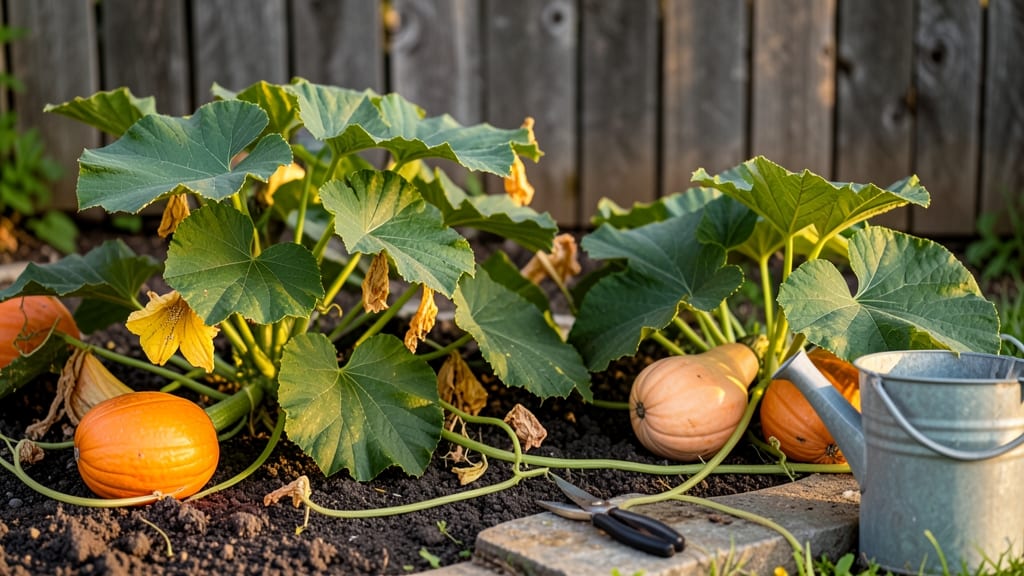
Growing pumpkin and spaghetti squash side-by-side saves space while doubling your harvest potential. 🌱 I learned this trick after struggling with garden real estate—these two thrive together, sharing the same care routine while maximizing every square foot of my plot.
The secret lies in their complementary growth habits: sprawling pumpkins provide shade for the compact spaghetti squash below, creating a natural microclimate that boosts productivity.
Start with well-draining soil rich in compost and plant seeds 1 inch deep, 3 feet apart for pumpkins and 2 feet for spaghetti squash. Both love full sun (6+ hours daily) and consistent moisture—think of them as thirsty teens who hate soggy feet.
Trellising pumpkins vertically frees up ground space, while spaghetti squash stays bushy and manageable. Varieties like 'Sugar Pie' pumpkin and 'Honey Bear' spaghetti squash are perfect for small gardens, producing edible results in just 90-100 days.
By harvest time, you'll have vibrant orange pumpkins and tender, stringy spaghetti squash—both ready to transform your kitchen. The pumpkins' sprawling vines create a living mulch that suppresses weeds, while the squash's compact form fits neatly in the gaps.
This duo resists common pests like squash bugs when planted together, and their staggered maturity means continuous harvests from late summer through fall.
Works in containers too—just scale down the spacing. Whether you're a space-challenged urban gardener or a backyard plot owner, this pairing turns "too many plants" into "too many harvests." Let's get those seeds in the ground!
The first product explained
Meet your new garden superstar: the Pumpkin & Spaghetti Squash Combo Seed Pack from Sunny Acres Seeds! 🎃🍝 This innovative duo is designed for small-space gardeners who want big harvests without the bulk.
Whether you're a beginner or a seasoned green thumb, this combo is your ticket to a flavorful, space-efficient fall garden.
🌱 Specs & Features
This seed pack includes everything you need to grow two versatile squash varieties side by side:
- Pumpkin Variety: Sugar Pie – A compact, fast-maturing pumpkin perfect for pies, roasting, or carving small decorations. Ready to harvest in just 80-90 days!
- Spaghetti Squash Variety: Casaba – A smooth, sweet squash that yields tender "noodles" when cooked. Matures in 90-100 days and thrives in the same space as its pumpkin partner.
- Seed Count: 5 seeds of each variety (non-GMO, heirloom quality).
- Growing Space: Ideal for containers (10+ gallon pots) or small garden plots (3-4 feet in diameter per plant).
- Sunlight Needs: Full sun (6-8 hours daily).
- Soil Preference: Well-draining, slightly acidic soil (pH 6.0-6.8).
- Disease Resistance: Both varieties are bred for resistance to common squash ailments like powdery mildew and cucumber beetles.
🎯 Target Users
This combo is perfect for:
- 🏡 Urban gardeners with limited space (balconies, patios, or small yards).
- 👩🍳 Home cooks who love versatile ingredients for soups, stews, and seasonal dishes.
- 🌿 Eco-conscious growers looking to reduce food waste by growing two crops in one plot.
- 👨👩👧👦 Families who want to teach kids about gardening with quick, rewarding results.
- 💰 Budget-friendly shoppers—grow your own instead of buying pre-packaged squash!
💰 Price Point & Value
Priced at just $12.99 for the combo pack, this is a steal for what you get! Here’s why it’s worth every penny:
| Feature | Value |
|---|---|
| Two high-quality seed varieties | Save $5+ compared to buying separately. |
| Space-saving design | Maximize your garden’s potential without sacrificing yield. |
| Beginner-friendly | Easy-to-follow growing instructions included. |
| Year-round enjoyment | Harvest pumpkins in fall, store spaghetti squash for winter cooking. |
With a money-back guarantee if seeds don’t germinate, there’s zero risk—just rewards!
The second product explained
Next up, let’s meet the spaghetti squash—the low-carb, high-fiber superstar that’s perfect for those who love the texture of pasta but want a lighter, nutrient-packed alternative! 🍽️✨ This versatile squash thrives alongside pumpkins, making it an ideal choice for gardeners with limited space.
🌱 Key Specs & Features
Spaghetti squash (Cucurbita pepo) is a winter squash variety that grows on vines, much like pumpkins, but with a few unique twists:
- Size: Typically grows 2–4 feet long, with a cylindrical or slightly bulbous shape.
- Color: Ranges from golden yellow to deep orange when ripe.
- Texture: When cooked, the flesh separates into long, spaghetti-like strands—hence the name!
- Flavor: Mildly sweet with a nutty undertone, similar to pumpkin but less dense.
- Harvest Time: Ready to pick 85–100 days after planting, often overlapping with pumpkin harvests.
- Storage: Lasts 2–3 months in a cool, dry place or can be frozen after cooking.
🎯 Who’s It For?
Spaghetti squash is a dream for:
- Health-conscious cooks: A single cup of cooked squash has only ~100 calories but packs 3g of fiber and vitamin C. 📊💪
- Low-carb/ketogenic dieters: A fantastic pasta substitute with only 7g net carbs per cup!
- Space-saving gardeners: Grows well in containers or alongside pumpkins, sharing similar care needs.
- Creative chefs: Use it in soups, stir-fries, or even as a base for vegan "mac and cheese."
💰 Price Point & Value
While spaghetti squash seeds cost slightly more than pumpkin seeds ($2–$5 per packet), the payoff is huge:
- One vine yields 3–5 squash, reducing long-term grocery costs.
- Versatility: Use it in place of pasta, rice, or even mashed potatoes, cutting food bills.
- Nutritional ROI: A homegrown squash is fresher, cheaper, and packed with antioxidants.
Pro Tip: 💡 Plant spaghetti squash near pumpkins—they share pests, pollinators, and space efficiently! For best results, choose disease-resistant varieties like 'Caserta' or 'Tivoli'.
Head-to-head comparison
Ready to compare these two gourds? Whether you're a seasoned gardener or a curious beginner, understanding the key differences between pumpkin and spaghetti squash will help you decide which one (or both!) to grow in your space-saving harvest. Let’s break it down side by side—no more guessing, just growing! 🌱🔍
🌿 Growth Habits & Space Requirements
If you’re working with limited garden space, this is the first category to compare. Pumpkins and spaghetti squash may both be part of the Cucurbita family, but their growth habits couldn’t be more different!
| Factor | Pumpkin | Spaghetti Squash |
|---|---|---|
| Vine Length | Long, sprawling vines (5–10 feet or more) 🌿💨 | Moderate vines (3–6 feet), more compact |
| Space Needed | Requires 10–20 square feet per plant (or more for giant varieties) | Thrives in 4–6 square feet per plant |
| Trellising Potential | Possible but challenging (heavy fruits may need support) | Excellent for trellising (lighter, easier to manage) |
| Best for Small Gardens? | ❌ No (unless growing mini pumpkins) | ✅ Yes! Perfect for containers or vertical gardens |
Pro tip: 💡 If you’re growing both, plant spaghetti squash near the edges of your garden or in containers to save space, while reserving the center for pumpkins (if space allows).
🍂 Harvest & Yield
What’s the point of growing if you can’t enjoy the rewards? Let’s talk harvest time, yield, and how long you’ll wait for your culinary masterpiece.
| Factor | Pumpkin | Spaghetti Squash |
|---|---|---|
| Days to Maturity | 75–120 days (varies by variety) | 85–100 days (faster for bush types) |
| Harvest Indicators | Rind hardens, stem dries and detaches easily 🎃 | Skin turns dull yellow/green, thumps when tapped |
| Yield per Plant | 2–5 pumpkins (depends on variety and care) | 1–3 squash (but higher "yield" in terms of edible strands!) |
| Storage Life | 2–3 months in a cool, dry place | 1–2 months (best eaten fresh) |
| Post-Harvest Use | Cooking, carving, decorating, or long-term storage | Primarily cooking (strands break down when reheated) |
Pro tip: 🌡️ Spaghetti squash is best enjoyed fresh—its strands turn mushy when reheated, so plan to cook it within a week of harvest. Pumpkins, on the other hand, can be stored for months, making them ideal for fall decorations or winter soups.
🍽️ Culinary Uses & Flavor
Now, the fun part: what can you actually do with these gourds? Spoiler alert—spaghetti squash lives up to its name!
| Factor | Pumpkin | Spaghetti Squash |
|---|---|---|
| Primary Uses | Pumpkin pie, soups, risotto, roasted seeds, carving | Low-carb "spaghetti," stir-fries, curries, casseroles |
| Flavor Profile | Sweet, nutty, earthy (varies by variety) | Mild, slightly sweet, neutral (like a cross between zucchini and pumpkin) |
| Texture | Firm when raw, soft when cooked (great for purees) | Stringy, pasta-like when cooked (no need for noodles!) |
| Nutritional Standout | High in vitamin A (great for soups and pies! 📊) | Lower calorie, high in fiber (perfect for keto/low-carb diets 💪) |
| Fun Fact | Did you know? Some pumpkin varieties, like Cinderella, are edible and decorative! | Fun fact: The strands are edible raw but taste best when cooked! |
Pro tip: ✨ For a unique twist, try roasting spaghetti squash with olive oil, garlic, and Parmesan—it’s a crowd-pleaser! Pumpkins, meanwhile, are a must-have for classic fall dishes like butternut squash soup or pumpkin chili.
💰 Cost & Accessibility
Let’s talk budget—because not all gardeners have unlimited seed money! Here’s how these two compare when it comes to startup costs and long-term savings.
| Factor | Pumpkin | Spaghetti Squash | ||||||||
|---|---|---|---|---|---|---|---|---|---|---|
| Seed Cost | $2–$5 per packet (heirloom varieties can be pricier) | $1.50–$4 per packet (often sold as "ornamental" or "edible" types) | ||||||||
| Planting Difficulty | Moderate (requires ample space and patience for vines) | Easy (compact, less prone to pests/diseases) | ||||||||
| Maintenance | High (needs regular watering, pest control, and trellising for some varieties) | Low (drought-tolerant once established, fewer pests) | ||||||||
| Long-Term Savings | High (pumpkins store well, can be sold or preserved) | Moderate (best eaten fresh, but seeds can be saved for next year) | ||||||||
| Where to Buy | Garden centers, online seed shops, or even grocery
Which one should you choose?So, you’re ready to grow your own pumpkin and spaghetti squash but can’t decide which one to prioritize—or if you should grow both? The good news is, you can do both! Here’s how to make the best choice based on your needs, space, and goals. 🌱🍂 🏡 For Small Spaces or Urban GardenersIf you’re working with limited space, spaghetti squash is the clear winner. Its compact vines and bushy growth make it perfect for containers, raised beds, or even balcony gardens. Plus, its fast harvest time (just 80–100 days) means you’ll enjoy your "spaghetti" sooner. Pumpkins, while rewarding, need more room to sprawl—ideal if you have a dedicated patch or trellis space. 🎃 For Big Harvests & Fall DecorWant a showstopping centerpiece or a bounty for canning? Pumpkins are your best bet. They produce larger yields and are easier to store long-term. If you love carving jack-o’-lanterns or baking pies, pumpkins are a must. Spaghetti squash, however, is a great backup—it’s versatile in the kitchen and won’t take up as much storage space. 🍽️ For Health-Conscious & Dietary NeedsBoth are nutritious, but spaghetti squash edges out slightly for low-calorie, high-fiber meals (just 42 calories per cup!). It’s a fantastic gluten-free pasta substitute. Pumpkins, meanwhile, are packed with vitamin A and antioxidants—perfect for soups, bread, and roasted seeds. Grow both if you want variety in your diet! 💡 Pro Tip: Grow Them Together!Why choose? Plant one of each to maximize space and flavor. Spaghetti squash thrives in warmer climates, while pumpkins tolerate cooler temps. Use trellises or vertical gardening to save space, and rotate crops yearly to prevent disease. Win-win! 📌 Final Recommendation
No matter what, both squashes are low-maintenance, drought-tolerant, and delicious. Happy planting! 🌿🍴 |