
Vegetables
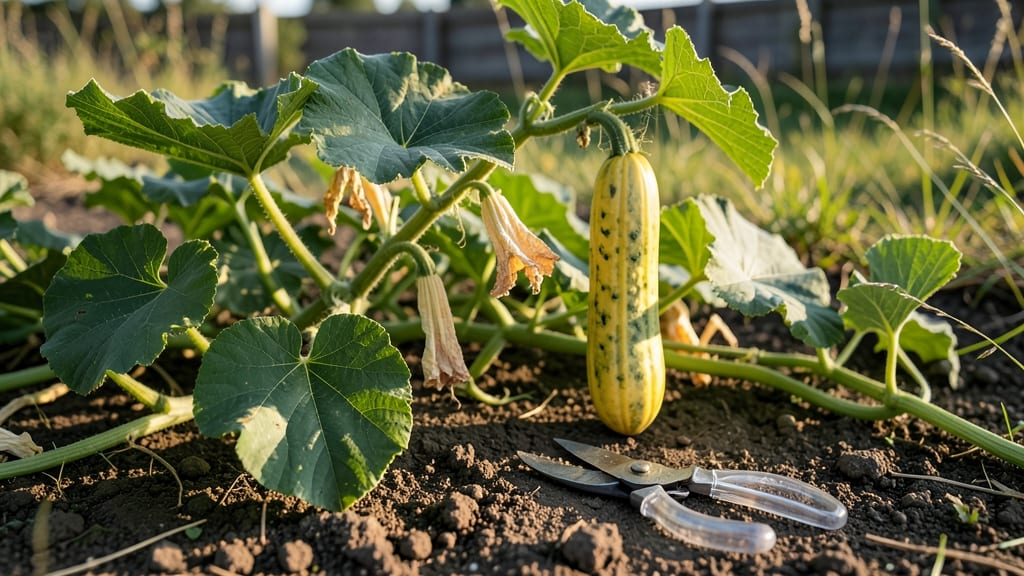
When your yellow squash turns soft and yellowed, don’t toss it—turn it into crispy, savory fritters instead. 🌱 I’ve saved dozens of pounds of overripe squash this way, and the results are always delicious. The secret lies in blending the squash with eggs, flour, and herbs, then frying until golden.
The trick to preventing overripe squash starts with harvesting at the right size—pick them when they’re 6-8 inches long and still firm. Store them in a cool, dry place, and avoid refrigerating until they’ve fully matured.
Overripe squash happens when harvests come all at once, so plan for weekly pickings or share with neighbors. These fritters are crispy on the outside, tender inside, and packed with summer flavor.
You’ll end up with a dish that’s cheap, fast, and waste-free, plus a way to enjoy squash long after the harvest ends. The batter keeps well in the fridge, so you can make a batch ahead for easy meals.
For future gardens, try trellising vines to slow ripening or plant varieties with shorter harvest windows. Even if some squash overripens, you’ll always have a backup plan—whether it’s fritters, soup, or compost. Every garden has its challenges, but this one turns them into something delicious.
The Science Behind Overripeness
When your yellow squash turns from vibrant to soft and mealy, it’s not just a sign that it’s past its prime—it’s a complex biological process. Understanding why this happens can help you salvage those squash before they go to waste. Here’s a breakdown of the key factors at play:
Yellow squash, like many fruits and vegetables, ripens in response to a natural plant hormone called ethylene. As squash matures, it produces more ethylene, which triggers further ripening—softening the flesh, breaking down cell walls, and turning the skin dull or yellowed.
What makes this tricky? Ethylene is contagious. If you store overripe squash near unripe produce, the gas can speed up ripening in nearby items. Even a single overripe squash in a bag can turn a whole harvest into mush in days.
Actionable fix: Isolate overripe squash immediately. Store them separately, away from other produce, or use them in recipes right away.
Yellow squash is sensitive to temperature swings. While they thrive in moderate warmth (55–75°F), exposure to heat stress—like sitting in a hot car or near a stove—can artificially accelerate ripening. Conversely, sudden cold snaps (below 50°F) can also disrupt cell integrity, leading to premature softening.
Even after harvest, squash continues to respire (release heat and moisture), which generates ethylene internally. If stored in a warm, humid environment (like a pantry), this process speeds up, turning firm squash into a mushy mess overnight.
Actionable fix:
- Store squash in a cool, dark place (50–55°F is ideal). A root cellar or fridge crisper drawer works best.
- Avoid washing until ready to use—moisture encourages mold and spoilage.
Yellow squash is 90% water, and its texture relies on balanced hydration. Overwatering or poor drainage can lead to blossom-end rot (a common issue where the stem end turns mushy and discolored), while underwatering causes stress that triggers early ethylene production.
Even after harvest, improper storage moisture levels play a role. If squash is stored in a high-humidity environment (like a sealed plastic bag), condensation forms, creating the perfect conditions for mold and bacterial growth.
On the flip side, dry air (like in a low-humidity kitchen) can cause the skin to wrinkle and the flesh to dry out prematurely.
Actionable fix:
- Harvest squash when fully mature but still firm—no soft spots.
- Use ventilated storage: A paper bag with air holes or a breathable cloth works better than plastic.
- If using a fridge, place squash in a perforated container to prevent moisture buildup.
Yellow squash has a very narrow harvest window. Left on the vine too long, they’ll go from tender and sweet to fibrous and seedy—classic signs of overripeness.
But even after picking, the clock keeps ticking. Squash continues to ripen post-harvest, meaning the longer they sit, the faster they deteriorate.
Commercial growers often pick squash before full ripeness to ensure shelf life, but home gardeners may miss this window. Once squash turns from bright green to yellow, it’s a race against time—ethylene production peaks within 24–48 hours of color change.
Actionable fix:
- Harvest when squash is 1–3 inches long and skin is shiny, not dull.
- Use or freeze overripe squash within 3–5 days of turning yellow.
While ethylene and temperature are the main culprits, bacteria and fungi finish the job. Overripe squash becomes a buffet for microbes like Botrytis cinerea (gray mold) and Erwinia (soft rot bacteria), which thrive in damaged or softened tissue.
Even a tiny scratch or bruise creates an entry point. Once microbes take hold, they break down pectin (the compound that keeps cells firm), leading to that unpleasantly mushy texture. Warm, humid conditions? Microbes party hard.
Actionable fix:
- Inspect squash for bruises or cuts—discard damaged ones immediately.
- Wash only before cooking (not in storage) to avoid introducing moisture.
- Use overripe squash in cooked dishes (like fritters!) where heat kills bacteria.
Quick Fixes for Overripe Squash
Overripe yellow squash might seem like a lost cause, but with a few clever tricks, you can turn it into something delicious before it spoils. Whether it’s too soft, bitter, or starting to ferment, these solutions will help you salvage your squash—no waste, just flavor!
Cause: Overripe squash loses its firm texture, making it mushy when cooked.
Fix:
- 🔥 Roast or Sauté: Cut into chunks and roast at 400°F (200°C) with olive oil, salt, and spices until caramelized. The natural sugars concentrate, adding depth of flavor.
- 👨🍳 Blend into Sauces: Puree into soups, curries, or pasta sauces—its creaminess works perfectly as a base.
- 🥘 Bake into Fritters: Grate, mix with flour, egg, and herbs, then pan-fry for crispy, golden bites.
Prevention Tip: 💡 Harvest squash when still firm but just starting to turn color—this balances tenderness and sweetness.
Cause: Overripe squash can develop a bitter or fermented flavor as it ages.
Fix:
- ✨ Balance with Sweetness: Cook with honey, maple syrup, or caramelized onions to counteract bitterness.
- 🍋 Pair with Acid: Add lemon juice, vinegar, or tomatoes to brighten the dish.
- 🔪 Remove Seeds & Stringy Parts: Cut out any discolored or slimy sections before cooking.
Prevention Tip: 🌡️ Store squash in a cool, dry place (not the fridge) to slow ripening—humidity speeds up spoilage.
Cause: Advanced overripeness leads to rot, making the squash inedible raw.
Fix:
- 🔪 Trim and Use in Cooked Dishes: Cut away moldy or mushy areas and use the rest in cooked recipes like stir-fries or stews.
- 🍲 Make into Bread or Muffins: Grate and mix into quick bread, muffins, or pancakes—moisture is absorbed by dry ingredients.
- 🥘 Freeze for Later: If only slightly past its prime, freeze cooked squash puree in portions for future soups or sauces.
Prevention Tip: ✨ Check squash regularly—once it develops soft spots, use it within 24 hours to avoid mold spread.
Pro Tip: 🎯 Don’t toss it! Even "bad" squash can be revived with the right technique. When in doubt, roast it—heat enhances flavor and masks minor imperfections. Happy cooking!
Frequently asked questions
How do I know if my yellow squash is truly overripe?
Look for these signs: skin that's dull yellow (not bright), soft spots when gently pressed, or a hollow sound when tapped. The flesh may also appear stringy or seedy inside. If it smells fermented or has mold, it's definitely past its prime.
Can I still use overripe squash for seed saving?
Yes, but only if the squash is just soft—not moldy or fermented. Cut open a fully yellowed but firm squash, scoop out the seeds, and let them dry completely on a paper towel. Overripe squash produces seeds, but the viability decreases if the flesh is mushy.
What's the best way to store squash to prevent overripeness?
Keep them in a cool, dry place (50–55°F) like a pantry, not the fridge. Use breathable containers (like paper bags with holes) to allow airflow. Avoid washing until ready to use—moisture speeds up spoilage. Check weekly and harvest new squash as they ripen.
Why does my squash turn yellow so quickly after picking?
Yellow squash continues ripening even after harvest due to ethylene gas production. Once picked, the clock starts ticking—ethylene accelerates softening and color change. Store squash separately from other produce to prevent cross-contamination of ethylene.
Can I compost overripe squash instead of cooking with it?
If it's moldy or too far gone, compost is perfect. Just remove any non-organic materials (like plastic tags) first. For a nutrient boost, chop it into smaller pieces and mix with greens (like grass clippings) to balance carbon-to-nitrogen ratios.