
Picking
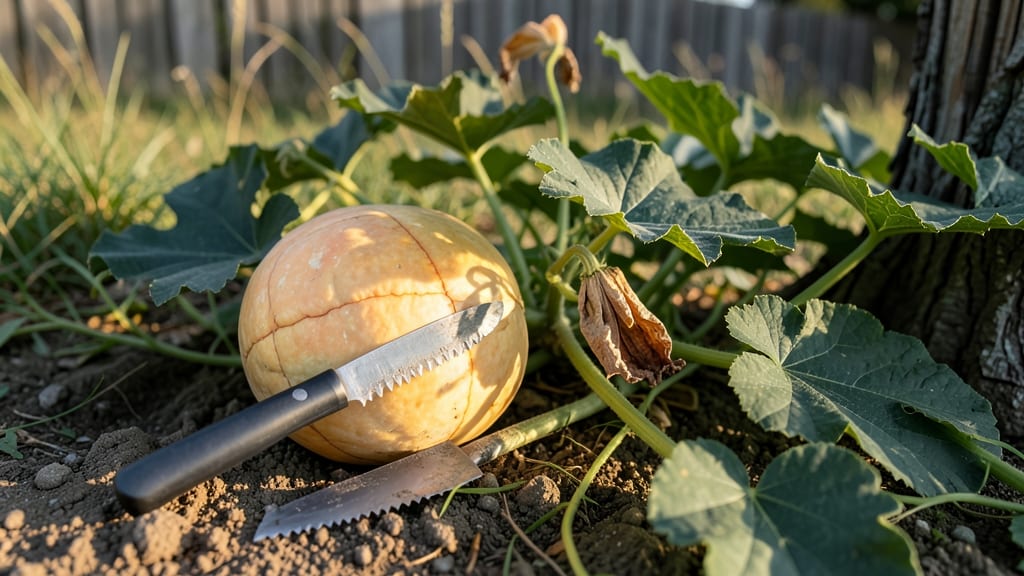
Your spaghetti squash turned into a rubbery, stringy mess? 🌱 Don’t toss it—overripe spaghetti squash still holds pasta-like potential with the right approach. The trick lies in identifying the right stage (yes, even when it’s past prime) and transforming it into something delicious instead of compost.
Most gardeners assume overripe squash is ruined, but the truth is simpler: it just needs longer cooking and a little extra care. The flesh softens into strands when roasted or boiled, though it may take 10-15 minutes longer than fresh squash.
Think of it as a low-maintenance, free pasta alternative—no store-bought noodles required. You’ll end up with a hearty, slightly sweeter dish perfect for stir-fries, soups, or even mashed "potatoes." The texture may be softer than ideal, but the flavor deepens, making it a secret weapon for flavorful meals.
Store any leftovers in the fridge for 3-4 days or freeze the cooked strands for later use. Prevent future overripeness by harvesting when the skin turns golden and the stem dries completely. Store squash in a cool, dark place where it’ll last 2-3 months—no more wasted harvests!
The Real Culprits Behind Overripeness
Spaghetti squash may look like a superstar in the kitchen, but when it overripens, it turns from a tender delight into a mushy disappointment. Understanding why this happens helps you pick the perfect squash and avoid kitchen mishaps. Here’s a breakdown of the science—and the sneaky factors—that lead to overripeness.
Spaghetti squash, like all squash, is a climacteric fruit—meaning it continues to ripen after being harvested. This process is driven by ethylene gas, a plant hormone that triggers softening, sugar breakdown, and fiber degradation. The longer it sits, the more ethylene it produces, leading to:
- Excessive softening: Cell walls break down, turning the stringy flesh into a mushy, glue-like texture.
- Starch-to-sugar conversion: While ripening increases sweetness, overripeness causes sugars to ferment, creating an off-flavor (think slightly sour or alcoholic).
- Moisture loss: The skin dries out, and the flesh becomes waterlogged, losing its signature al dente bite.
💡 Pro Tip: Harvest spaghetti squash when the rind turns dull yellow-orange (not bright green) and feels heavy for its size. If it’s already soft to the touch, it’s already past its prime.
Heat is the #1 enemy of spaghetti squash storage. These squash thrive in cool, dry conditions (50–55°F / 10–13°C), but exposure to warmth speeds up ethylene production. Here’s how temperature plays a role:
| Storage Temp | Effect on Ripening | Result |
|---|---|---|
| Above 70°F (21°C) | Ethylene production doubles or triples—ripening accelerates. | Mushy flesh in 3–5 days. |
| 50–55°F (10–13°C) | Ethylene activity slows dramatically. | Lasts 2–3 weeks (or up to 2 months if uncut). |
| Below 40°F (4°C) | Cell damage occurs—squash becomes mealy instead of mushy. | Unpleasant texture, even if firm. |
⚠️ Warning: Never store spaghetti squash in the fridge whole—the cold triggers chilling injury, making the flesh grainy. Only refrigerate after cutting (and use within 3–4 days).
Spaghetti squash needs low humidity to stay fresh, but too little or too much moisture throws the process off:
- High humidity (>70%):
- Encourages mold growth on the skin.
- Traps ethylene gas, speeding up ripening.
- Low humidity (<30%):
- Causes the skin to wrinkle and dry out, signaling the flesh is already degrading inside.
- Leads to shriveling, making the squash taste starchy and bland.
🌡️ Ideal Fix: Store whole squash in a paper bag (not plastic) with a silica gel packet or uncooked rice to absorb excess moisture. Poke a few air holes if using a sealed container.
Even the best-stored spaghetti squash has a shelf life. Here’s how time factors in:
- Whole & uncut: Lasts 1–3 months at room temp (if picked at peak ripeness). After 4 weeks, the risk of overripeness rises sharply.
- Cut or cooked: Ethylene production peaks immediately—use within 3–4 days or freeze for later.
- Sealed in plastic: Traps ethylene, causing rapid spoilage in 5–7 days.
⏰ Time-Saving Hack: If you’re unsure about freshness, test for doneness by tapping the squash—it should sound hollow but firm. If it thuds like a drum, it’s overripe.
Now that you know the why, you can outsmart overripeness with the right storage tricks. Next up: How to Revive (or Rescue) Overripe Squash—because even the mushiest squash can still shine!
Save Your Squash Solutions
Got overripe spaghetti squash? Don’t toss it—transform it into something delicious! Below, we’ll tackle the most common issues (from mealy texture to soft spots) and show you how to turn them into flavor-packed dishes. Plus, we’ll share pro tips to prevent future squash spoilage.
If your spaghetti squash has turned mushy or lost its structure, it’s still salvageable—just with a few tweaks.
🍳 Roast It for a Creamy Texture
- Prep: Cut the squash in half, scoop out seeds, and place cut-side down on a baking sheet.
- Roast: Bake at 375°F (190°C) for 30–40 minutes (longer than usual) until fork-tender.
- Use It: Blend the roasted flesh into a creamy soup base or mash it for a side dish. The softness adds richness!
👨🍳 Cook It in Broth for Extra Flavor
- Method: Simmer squash chunks in vegetable or chicken broth for 15–20 minutes until tender.
- The broth infuses flavor, making it perfect for risotto-style dishes or as a pasta substitute.
If your squash is just past its prime but still holds shape, these tricks will bring back its magic.
⏰ Speed Up Roasting with a Microwave Boost
- Prep: Cut into wedges, microwave for 3–5 minutes to soften slightly.
- Roast: Finish in the oven at 400°F (200°C) for 10–15 minutes for caramelized edges.
🔪 Spiralize & Sauté for a Quick Fix
- Tool: Use a spiralizer to turn it into "noodles."
- Cook: Sauté in olive oil with garlic and herbs for 3–4 minutes—great for stir-fries!
Avoid ending up with overripe squash again with these easy habits:
- 🌡️ Store Properly: Keep whole squash in a cool, dark place (like a pantry) for up to 3 months.
Once cut, refrigerate for 3–5 days (or freeze cooked portions). - 🎯 Buy Smaller Squash: Smaller varieties ripen faster—great for immediate use! - 🍎 Check for Soft Spots: Gently press the squash—if it yields, it’s ready to cook now. - ✨ Freeze Cooked Flesh: Roast, mash, or blend, then freeze in portions for later.
Pro Tip: Overripe squash makes the best soups and curries—its natural sweetness shines when cooked longer! 🥄💛
Frequently asked questions
How can I tell if my spaghetti squash is truly overripe?
Look for a skin that's wrinkled, soft to the touch, or has dark spots. When you tap it, an overripe squash will sound hollow like a drum rather than firm. The stem should also be completely dried out and brittle. If the flesh feels mushy when pressed, it's past its prime for ideal texture but still usable!
Can I still spiralize overripe spaghetti squash?
Yes, but expect softer strands that work better in creamy dishes than stir-fries. Use a sharp knife or mandoline (if the squash is still firm enough) and cook immediately in 3-4 minutes with olive oil and salt. For extra structure, mix with cooked quinoa or add to soups where texture isn't critical.
Why does overripe squash taste sweeter?
As spaghetti squash ripens, its starches convert to sugars through natural enzymatic processes. The longer it sits, the more this conversion happens, creating that caramel-like sweetness. However, if it's truly overripe, you might detect fermented or slightly off flavors - a sign it's best used in cooked dishes where flavors can be balanced.
How long can I store cooked overripe spaghetti squash?
Cooked strands keep well for 3-4 days in the fridge when stored in an airtight container. For longer storage, freeze cooked squash in portions for up to 3 months. Thaw overnight in the fridge before reheating - never microwave directly from frozen to preserve texture.