
Vegetables
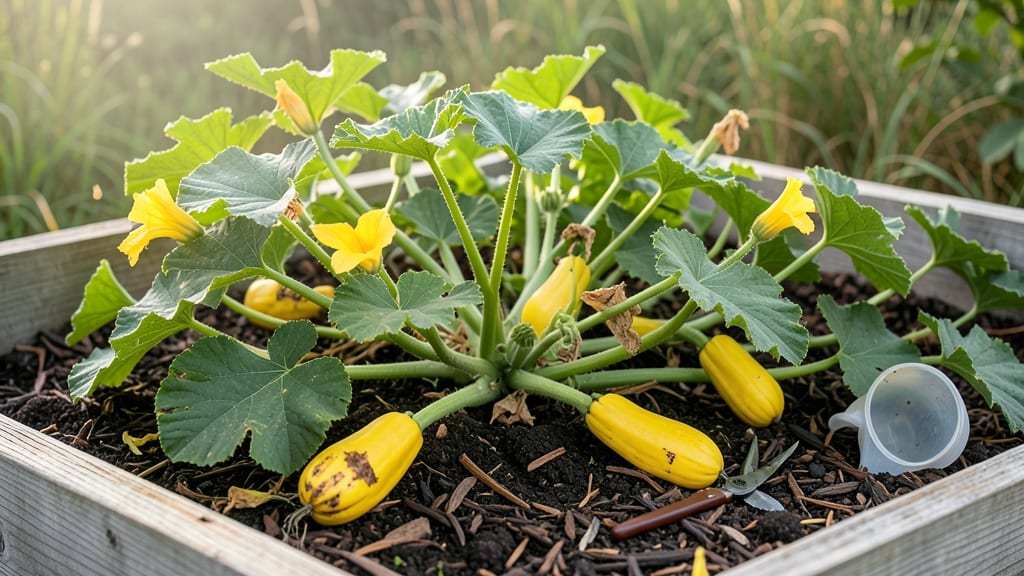
When your yellow squash plants grow so thick you can't see the stems, it's time to take control. 🌱 I've wrestled with overgrown squash vines that smothered themselves—and the solution isn't just cutting back, it's strategic pruning that keeps plants productive without sacrificing yield.
The key is understanding why this happens in the first place: too much nitrogen, poor airflow, or simply ignoring those early harvests.
Start by thinning the vines to 12-18 inches apart, removing the weakest stems at the base. Keep the healthiest 2-3 main vines per plant, as these will produce the most fruit.
Snip just above a leaf node with clean pruners, and you'll encourage bushier growth where it matters—right where the flowers form. This isn't about making your plant smaller; it's about redirecting energy to what you actually want to eat.
What you end up with is a squash plant that's easier to harvest from, with fruits that stay tender and sweet instead of tough and seedy. The vines stay manageable, pests have fewer places to hide, and you'll actually find those squash before they turn into baseball bats.
Plus, the airflow keeps diseases like powdery mildew at bay—something I learned the hard way after losing half my plants to white fuzz last summer.
This method works for both bush and vining varieties, and it's especially useful if you're growing in containers or small spaces. The secret is consistency: check your plants weekly during peak growing season, and you'll never again find yourself drowning in an unruly jungle of yellow squash.
Here's how to make it happen without losing your harvest.
The Hidden Triggers Behind Giant Squash
If your garden is producing overgrown yellow squash with tough, fibrous stems, the culprit likely lies in a mix of environmental and cultural factors. Understanding these triggers helps you take corrective action—before your harvest turns into a battle with a vine monster.
Here’s why your squash might be growing like a jungle plant instead of a kitchen-ready delight.
Yellow squash plants thrive when their roots have space to spread and absorb nutrients efficiently. When vines compete for resources in tight quarters, they prioritize leafy growth over fruit development. This leads to:
- Stunted, tough stems: Plants divert energy to support weak, woody stems instead of tender vines.
- Fewer, larger fruits: Limited nutrients force the plant to produce fewer squash, but those it does make grow oversized as it maximizes energy output.
- Poor flavor and texture: Crowded roots struggle to transport sugars and moisture, resulting in fibrous, seedy squash.
Science behind it: Root competition triggers the plant’s ethylene response, a stress hormone that accelerates fruit maturation—often before it reaches peak tenderness. Learn how to space plants properly to avoid this.
While squash loves sunlight, excessive heat (above 90°F/32°C) can push plants into overdrive, causing:
- Rapid, uneven growth: High temperatures speed up photosynthesis, but the plant can’t keep up with fruit development, leading to lumpy, misshapen squash.
- Thick, woody stems: The plant allocates extra cellulose to support its own weight under intense sunlight, making stems tough.
- Bitter, seedy interiors: Heat stress disrupts carbohydrate metabolism, causing starches to convert into bitter compounds.
Pro tip: 🌡️ Use shade cloth (30-50%) during peak afternoon heat or opt for heat-tolerant varieties like ‘Yellow Crookneck’ or ‘Straightneck.’ Mulching with straw also helps regulate soil temperature.
Yellow squash is thirsty but sensitive—watering mistakes directly impact stem toughness and fruit quality.
| Issue | Effect on Squash | Why It Happens |
|---|---|---|
| Underwatering | Small, hard squash with leathery stems and shallow roots. | Drought stress triggers abscisic acid, a hormone that hardens plant tissues as a survival mechanism. |
| Overwatering | Mushy, pale squash with spongy, weak stems (prone to rot). | Waterlogged soil cuts off oxygen, forcing roots to grow aeration channels—which siphons energy from fruit development. |
| Inconsistent watering | Striped, uneven squash with fibrous cores. | Fluctuating moisture levels cause cellular stress, leading to erratic growth patterns. |
Actionable fix: 💡 Aim for 1–1.5 inches of water per week, delivered at the base of the plant (not the leaves) to prevent fungal issues. Drip irrigation or soaker hoses are ideal.
Fertilizer mistakes are a top reason for overgrown but tough squash. Here’s how nutrients play a role:
- Excess nitrogen (N):
- Promotes leafy growth over fruit, leading to large, seedy squash with tough stems.
- Delays flowering by keeping the plant in a vegetative state.
- Deficient potassium (K) or calcium (Ca):
- Weakens cell wall structure, causing stems to become woody and brittle.
- Leads to blossom end rot (in calcium deficiency), which stresses the plant and alters growth patterns.
Science deep dive: Nitrogen-heavy fertilizers (like lawn fertilizers) push squash plants into a growth spurt, but without balanced potassium and phosphorus, the plant can’t properly develop vascular tissue—critical for transporting nutrients to the fruit.
Fix it: ✨ Switch to a balanced fertilizer (10-10-10 or 5-10-10) and side-dress with compost or banana peels (for potassium) when flowers appear.
By addressing these root causes—literally and figuratively—you’ll transform your tough-stemmed giants into the tender, golden squash your recipes deserve. Next up: How to Rescue Overgrown Squash Before It’s Too Late.
Quick Fixes for Giant Garden Squash
Got a patch of overgrown yellow squash taking over your garden? Don’t panic—these practical solutions will help you reclaim control and turn those tough stems into delicious meals.
Below, we’ll tackle the root causes (literally!) with actionable steps, from pruning to harvesting, plus tips to keep your squash under control next season.
If your squash vines are tangled and competing for space, thinning is your first move. Overcrowding leads to weak stems, poor fruit quality, and disease risks.
How to fix it:
- 🔪 Snip or pull excess vines at the base, leaving only the strongest 2–3 plants per hill (or 1–2 plants for bush varieties).
- 🌿 Space matters: Aim for 3–4 feet between plants (6 feet for vining types like yellow squash).
- 🌱 Time it right: Thin when plants are 3–4 inches tall—this gives them room to grow without stress.
Prevention tip: 💡 Start with fewer seeds—plant extra in a separate pot or share with neighbors if your garden is small!
Hard, fibrous stems usually mean the squash has overmatured. The trick? Harvest before the stems toughen up—when they’re still tender and the fruit is 6–8 inches long.
How to fix it:
- 👨🍳 Check daily once squash starts producing. Use a sharp knife or pruners to cut stems cleanly (don’t twist—it can damage the vine).
- 🥘 Cook immediately or store properly: Tender squash sautéed fresh is the best! If storing, keep in a cool, dry place (not the fridge) for up to a week.
- 🔄 Encourage more production: Removing old squash signals the plant to keep flowering and producing instead of putting energy into seed development.
Pro tip: ✨ Pick in the morning when squash is crispest and most flavorful!
Extreme heat or dry soil can cause bitter, tough squash with woody stems. Watering and shade are your allies here.
How to fix it:
- 💧 Water deeply 1–2 times per week (more in extreme heat). Aim for 1–1.5 inches of water per week, focusing on the roots, not the leaves.
- 🌿 Mulch like a pro: Spread 2–3 inches of straw or grass clippings around plants to retain moisture and cool the soil.
- 🌞 Provide afternoon shade if temps hit 90°F+. Use shade cloth (30–50%) or plant near taller crops (like corn or sunflowers) for natural shade.
Prevention tip: 🎯 Plant in early spring or late summer to avoid peak heat—yellow squash thrives in 70–85°F soil temps.
Chewed leaves, holes, or mushy stems? Pests (squash bugs, cucumber beetles) or fungal diseases (like powdery mildew) can weaken plants, leading to tough squash.
How to fix it:
- 🐜 Handpick pests: Check leaves daily for eggs (tiny yellow ovals) or adults. Drop them in soapy water.
- 🛡️ Use row covers early in the season to block beetles. Remove covers when flowers appear to allow pollination.
- 🌡️ Improve airflow: Space plants properly and prune lower leaves to reduce humidity (which fuels mildew).
- 💊 Spray preventatively: Mix 1 tbsp baking soda + 1 tsp dish soap + 1 gallon water for a fungicide spray. Reapply every 7–10 days.
Prevention tip: 🔥 Rotate crops—don’t plant squash in the same spot yearly to break pest/disease cycles!
If your squash is overripe but edible, don’t toss it! Cooking techniques can soften even the toughest stems.
How to fix it:
- 🍳 Roast it: Cut into chunks, toss with olive oil, salt, and pepper, then roast at 400°F for 25–30 mins until caramelized.
- 🥘 Sauté with acid: Cook with lemon juice or vinegar to break down fibers. Try this quick fix:
- Slice squash, sauté in butter or oil for 5 mins.
- Add 1 tbsp apple cider vinegar + 1 tsp sugar, cover, and steam for 10 more mins.
- 🍲 Blend into soups or stews: Tough squash disappears in creamy bisques or chili—just simmer until tender.
Bonus hack: 💡 Peel thick skins before cooking if the outside is tough but the inside is still good!
Prevent future squash struggles with these simple prep steps:
- 🌱 Choose disease-resistant varieties like ‘Early Prolific’ or ‘Yellow Crookneck’.
- 🌿 Test your soil—squash loves fertile, well-draining soil with a pH of 6.0–7.0.
- 🌱 Companion plant with nasturtiums, marigolds, or beans to deter pests.
- 📅 Start seeds indoors 2–3 weeks before the last frost for a longer harvest window.
Final thought: Even "problem" squash can become a flavorful win with the right approach. Now grab those pruners, fire up the stove, and enjoy your homegrown harvest—no matter the size! 🍽️🔥
Frequently asked questions
Why do my yellow squash plants grow so large and woody?
Overgrowth happens when plants compete for nutrients, sunlight, or water. Too much nitrogen fertilizer encourages leafy growth over fruit development, while poor spacing forces vines to stretch and strengthen stems. Extreme heat or inconsistent watering also triggers tough, fibrous stems as the plant prioritizes survival over tenderness.
Can I still eat overgrown yellow squash with tough stems?
While the stems may be less tender, the flesh is still edible. Roast, sauté with vinegar, or blend into soups to break down fibers. For best results, peel thick skins and use acid (like lemon juice) to soften the texture. The flavor remains delicious when cooked properly.
How do I prune overgrown squash without hurting the plant?
Focus on removing only the weakest stems at the base, leaving 2-3 healthy vines per plant. Use clean pruners to snip just above a leaf node, never tear the vine. Prune in the morning on dry days to reduce disease risk. This redirects energy to fruit production while improving airflow.
Will thinning my squash plants reduce my harvest?
Not at all—thinning actually increases yield! Removing excess vines prevents competition for nutrients, allowing remaining plants to produce more tender, higher-quality squash. Proper spacing also reduces disease risk, which can wipe out entire plants. Think of it as giving your squash room to thrive.
What's the best way to store overgrown yellow squash?
Store in a cool, dry place (not the fridge) for up to 1 week. For longer storage, wrap whole squash in paper towels and place in a plastic bag with holes for ventilation. Overripe squash can be peeled, sliced, and frozen for future soups or stir-fries.