
Picking
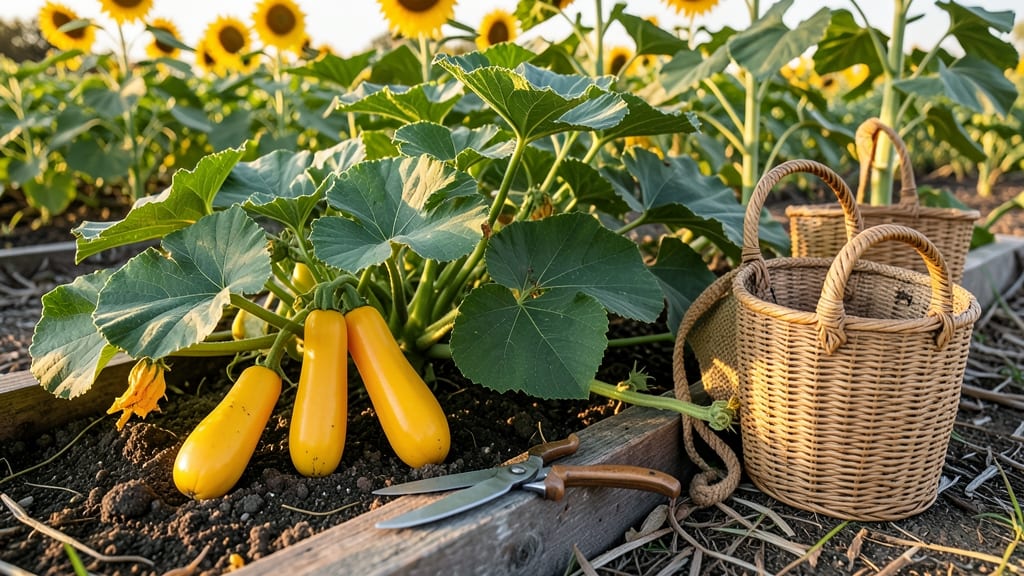
Orange summer squash thrives where most varieties struggle—in partial sun spots that would leave zucchini wilted. 🌿 I’ve grown them in my shady backyard corner for three seasons now, and the harvest proves you don’t need eight hours of sun to get a productive garden.
The secret lies in soil prep, spacing, and a few tricks to coax those bright orange fruits when others fail.
Start with loose, well-draining soil rich in compost—these squash love to stretch their roots but hate soggy feet. Plant seeds after your last frost when soil hits 60°F, spacing them 2–3 feet apart to prevent crowding (which stresses plants and invites pests).
Unlike zucchini, orange summer squash handles cooler temps better, so don’t rush—wait until nighttime lows stay above 55°F for consistent germination.
You’ll know it’s working when vines sprawl with deep green leaves and tiny flowers bloom by midsummer. Water at the base—never overhead—to avoid mildew, and mulch heavily to keep roots cool.
Harvest when squash are 6–8 inches long, using a sharp knife to slice cleanly (never twist, or you’ll damage the vine). One plant feeds a family for weeks, and the flavor? Sweet, nutty, and nothing like store-bought.
Watch for squash vine borers—roll up sleeves and handpick eggs in early summer. If powdery mildew appears, spray with a milk-water mix (1 part milk to 9 parts water) for organic control.
These squash are forgiving, but they reward attention: my first harvest was 20 pounds from a single 4-foot-wide bed. Perfect for small spaces, containers, or anyone tired of zucchini’s aggressive growth.
📚 In This Guide
- What you need
- Instructions
- Tips and common mistakes
- Wrapping up and next steps
What you need
- ● Seeds or Seedlings: Orange summer squash seeds (e.g., 'Golden Summer Crookneck' or 'Butterbush') – 5-10 seeds per plant or 3-5 healthy seedlings.
- ● Growing Space: Partial sun location (4-6 hours of sunlight daily) or a container with drainage.
- ● Well-draining soil (pH 6.0-7.0). Amend with compost for fertility.
- ● Tools: Garden trowel or transplanting spade.
- ● Watering can or hose with a gentle spray nozzle.
- ● Pruning shears (for harvesting and maintenance).
- ● Mulch (straw or shredded leaves) to retain moisture and suppress weeds.
- ● Fertilizer (balanced 10-10-10 or compost tea) for extra vigor.
- ● Trellis or cage (if growing bush varieties or saving space).
- ● Row covers (for early planting protection from pests).
- ● Garden gloves (to keep hands clean while handling prickly stems).
Step-by-step instructions for growing orange summer squash
Here's how to grow vibrant orange summer squash even in spots with just a few hours of sun.
🌱 Step 1: Prepare the Soil for Planting
Orange summer squash thrives in loose, fertile soil with excellent drainage. Work in 2-3 inches of compost into the top 12 inches of soil, mixing it thoroughly. Squash roots spread wide, so avoid heavy clay—amend with 1-2 inches of coarse sand if your soil compacts easily when wet.
Test your soil's moisture by squeezing a handful—it should crumble slightly but hold shape. If it feels like wet sand, your drainage needs improvement. I like to add a handful of aged manure or worm castings per planting hole for extra nutrients. This ensures strong vines that can support the weight of developing squash.
🌱 Step 2: Plant Seeds or Transplants at the Right Time
Wait until after the last frost date when soil temperatures reach at least 60°F. Plant seeds 1 inch deep and 2-3 inches apart in hills spaced 3-4 feet apart. For transplants, bury them deeper than their original pot—half the stem should be underground to encourage root growth.
Here's the thing—squash seeds germinate best in warm soil. If your spring is cool, use black plastic mulch to warm the soil faster. Water the planting area first, then cover with 1/4 inch of soil. Keep the soil consistently moist (but not soggy) until germination, which takes 5-10 days depending on temperature.
☀️ Step 3: Provide Support and Manage Sun Exposure
Orange summer squash handles partial sun well but produces best with at least 4-6 hours of direct sunlight. If your spot gets afternoon shade, focus on varieties like 'Golden Zucchini' that tolerate lower light. Once plants reach 12 inches tall, add cages or trellises to support vines—this prevents squash from rotting on the ground.
Watch for yellowing leaves—this often means too much shade or overwatering. If leaves wilt in the afternoon, your plant may need more water, but check soil first: top 2 inches should feel dry before watering deeply. Mulch with straw or grass clippings to retain moisture and keep soil cool.
💧 Step 4: Fertilize and Water for Maximum Yield
Feed plants with a balanced 10-10-10 fertilizer when flowers appear, then again when fruit starts forming. I use 1 tablespoon per plant mixed into the soil around the base. Avoid high-nitrogen fertilizers—they boost leaves at the expense of fruit. Instead, side-dress with compost tea every 2-3 weeks for steady nutrients.
Water deeply 1-2 times per week, aiming for 1 inch of water total. Shallow watering leads to weak roots and blossom-end rot. The best time to water is early morning—this prevents fungal diseases that thrive in damp foliage. You'll know you're doing it right when the soil stays evenly moist but never waterlogged.
✂️ Step 5: Harvest at Peak Ripeness for Best Flavor
Harvest when squash are 6-8 inches long and skin is smooth but still tender. Use a sharp knife or pruners to cut stems, leaving 1/2 inch attached to prevent rot. Check plants every 2-3 days—squash grow fast, and overripe ones turn tough and seedy.
Real talk: if you miss a harvest window, the squash will keep growing but lose quality. Store harvested squash in a cool, dry place for up to 2 weeks. For continuous production, pinch off flowers once fruit starts forming—this redirects energy to new growth. You'll be amazed how quickly new squash appear after a harvest!
Tips & tricks for growing perfect orange summer squash
These little tricks will help you coax the most vibrant, productive orange summer squash plants from even the trickiest spots.
Soil Prep Secret: Don't just amend the top layer—dig those 2-3 inches of compost and 1-2 inches of coarse sand deep enough to loosen the soil down to 12 inches. Squash roots spread wide, so breaking up compacted layers prevents girdling roots that stunt growth. I like to add a handful of aged manure directly into each planting hole—this gives plants an instant nutrient boost right where they need it most.
Germination Hack: If your spring is cool, cover the planting area with black plastic mulch a week before planting to warm the soil. This creates a microclimate that helps seeds germinate in just 5-10 days instead of waiting weeks. Pro tip: Poke small holes in the plastic where you'll plant—this lets you water directly without removing the mulch.
Sunlight Strategy: While orange summer squash thrives in 4-6 hours of direct sunlight, position your plants to catch morning sun and afternoon shade if needed. The key is consistent light—avoid spots where sunlight comes and goes unpredictably. I've grown productive plants with just 4 hours of morning sun by choosing compact varieties like 'Golden Zucchini' that handle partial shade better.
Harvest Timing: Check your plants every 2-3 days starting when they reach 12 inches tall. The 6-8 inch size window is tight—squash grow rapidly, and once they exceed 8 inches, they start developing tough, seedy flesh. Use a sharp knife to cut stems cleanly, leaving 1/2 inch attached to prevent rot. This small detail keeps your harvest fresh for up to 2 weeks in cool storage.
Pro Tips for Orange Summer Squash
- These little tricks will help you coax the most vibrant, productive orange summer squash plants from even the trickiest spots.
- Soil Prep Secret: Don't just amend the top layer—dig those 2-3 inches of compost and 1-2 inches of coarse sand deep enough to loosen the soil down to 12 inches.
- Germination Hack: If your spring is cool, cover the planting area with black plastic mulch a week before planting to warm the soil.
Frequently asked questions
How much sun does orange summer squash really need?
While orange summer squash thrives in full sun (6–8 hours daily), it’s surprisingly adaptable! With 4–6 hours of partial sun, you’ll still get a decent harvest—just expect slightly smaller fruits. Pair with afternoon shade in hot climates to prevent sunscald or bolting. Pro tip: Use reflective mulch (like white plastic) to boost light exposure in shady spots!
When is the best time to harvest orange summer squash?
Harvest when squash are 6–8 inches long and firm, with a glossy skin—usually 50–60 days after transplanting. Wait too long, and they’ll turn woody or bitter! Check vines every 2–3 days; overcrowding stresses plants. Fun fact: The younger the squash, the sweeter the flavor—great for stir-fries or grilling!
Can I substitute orange summer squash for zucchini in recipes?
Their mild, slightly sweet flavor makes them a 1:1 swap for zucchini in most dishes. Try them in fritters, soups, or roasted medleys—their vibrant color adds a pop! For baking, their denser texture holds up better than zucchini. Warning: Avoid overcooking; they turn mushy faster than zucchini.
What should I do if my orange summer squash plants get squash vine borers?
Squash vine borers are sneaky pests, but act fast! Handpick larvae (look for sawdust-like frass near stems) or wrap stems with cardboard collars to block egg-laying. For severe infestations, use Bt (Bacillus thuringiensis) spray early in the season. Prevention tip: Rotate crops yearly and choose borer-resistant varieties like ‘Eight Ball.’
Can I grow orange summer squash in containers?
Yes! Choose large containers (at least 5-gallon buckets) with drainage holes and fill with well-draining soil. Bush varieties (like ‘Gold Rush’) work best in pots. Place containers in full sun and fertilize weekly with a balanced formula. Space tip: Use trellises to save space—vines will climb, freeing up garden real estate!
Wrapping up and next steps
Growing orange summer squash in partial sun spaces is not only rewarding but also a fantastic way to add vibrant, nutrient-packed produce to your meals.
Whether you're a seasoned gardener or just starting out, these tips and answers to common questions will help you cultivate a thriving harvest—even with less-than-ideal sunlight. 🌱
Now that you’re armed with the right knowledge, why not take the next step? Grab your gloves, head to the garden, and give these resilient plants a try. Before you know it, you’ll be enjoying fresh, homegrown squash straight from your own backyard! 🍽️