
Picking
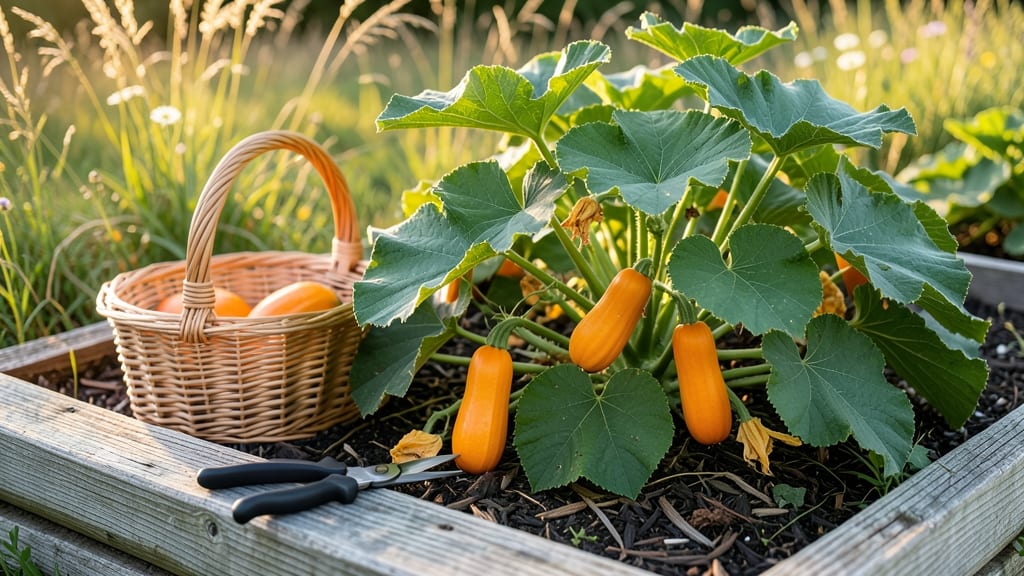
The vibrant orange color squash—think butternut, acorn, and pumpkin—don’t just feed your table; they steal the show with their bold, sun-kissed foliage that brightens any garden bed year-round. 🌻 I planted a patch of 'Waltham Butternut' last spring, and by midsummer... the deep green vines with their golden-orange tendrils became the star of my backyard, drawing neighbors to pause and admire.
The secret to their visual impact lies in pairing them with complementary colors: purple flowers like nasturtiums pop against their orange, while herbs like rosemary or thyme add texture without competing for attention.
Plant them near other warm-hued veggies like yellow squash or orange peppers for a harmonious autumn palette that feels intentional, not random. You’ll harvest sweet, nutty squash just as the leaves turn fiery in fall, and even the vines themselves become a harvest-time centerpiece.
The plants thrive in full sun and well-draining soil, making them perfect for both in-ground beds and containers. This isn’t just about pretty foliage—it’s about creating a garden that feels like a seasonal masterpiece, where every plant plays its part in the color story.
📚 In This Guide
- What you need
- Instructions
- Tips and common mistakes
- Wrapping up and next steps
What you need
- ● Orange Color Squash Plants: 3–5 mature plants (check local nurseries for Cuphea hyssopifolia or Cuphea ignea varieties).
- ● Well-draining potting mix: 10–15 gallons (ensure it’s rich in organic matter like compost).
- ● Containers or garden beds: Containers: 5–7 gallon pots (with drainage holes) for each plant.
- ● Garden beds: Full sun exposure (6+ hours/day) and loose, fertile soil.
- ● Slow-release fertilizer: 10–20-10 NPK ratio (follow package instructions for application).
- ● Garden trowel or transplant spade (for planting).
- ● Watering can or hose with a gentle spray nozzle (avoid overwatering!).
- ● Pruning shears (for shaping and maintenance).
- ○ Mulch (optional):Shredded bark or straw to retain moisture and suppress weeds.
- ○ Gloves (optional):For handling prickly stems or soil.
- ● Hardiness: USDA Zones 9–11 (or grow as annuals in cooler climates).
- ● Best planting time: Spring after the last frost or fall (6–8 weeks before first frost).
- ● Temperature: Thrives in 60–90°F (15–32°C); protect from frost.
How to grow and maintain orange-foliaged squash for striking garden borders
These dramatic plants thrive with minimal fuss—here's how to cultivate their bold, fiery leaves year after year.
🌱 Step 1: Select the Right Varieties and Planting Sites
Orange-foliaged squash varieties like 'Crown Prince' or 'Orange Smoothie' deliver the most vibrant color when planted in full sun (6+ hours daily). I always choose a location with loose, well-draining soil—these plants hate soggy roots. Amend heavy clay with 2-3 inches of compost before planting to improve aeration.
Space plants 3-4 feet apart in rows 5 feet apart to allow for sprawling vines. The reason for this generous spacing? Crowded plants develop powdery mildew faster, and you'll lose that gorgeous orange foliage to white fungal spots. If your garden has poor drainage, build raised beds instead.
☀️ Step 2: Plant at the Right Time and Provide Support
Wait until soil reaches 60°F and all frost danger has passed—cold-sensitive squash won't tolerate even light frosts. I plant mine 2-3 weeks after last frost in my zone 7 garden. Start seeds indoors 4-6 weeks before transplanting if your growing season is short.
These vines get heavy with fruit, so install 5-6 foot tall trellises or strong cages at planting. Training vines upward saves space and improves airflow, which keeps foliage looking crisp and vibrant. Watch for the first tendrils—these are your cue to gently guide vines toward the support structure.
💧 Step 3: Water Deeply and Maintain Consistent Moisture
Orange-foliaged squash needs 1-2 inches of water weekly, delivered at the base rather than overhead. I water in the morning so foliage dries quickly—this prevents fungal issues that dull the orange color. Let the top 2 inches of soil dry between waterings to encourage deep root growth.
Mulch with 2-3 inches of straw or shredded leaves to retain moisture and suppress weeds. The mulch also protects tender vines from soil-borne diseases. You'll notice the leaves stay brighter and more uniform when moisture levels stay consistent—no sudden wilting or yellowing.
✂️ Step 4: Fertilize and Prune for Maximum Foliage Impact
Feed plants with balanced 10-10-10 fertilizer at planting, then again when vines start running. I switch to a low-nitrogen formula (5-10-10) once flowers appear to prevent leafy growth at the expense of fruit. Side-dress with compost every 4-6 weeks to maintain vibrant color.
Remove any yellowed or diseased leaves immediately—these spread problems fast. For the boldest display, pinch off the first few flowers that form. This redirects energy to foliage production, giving you those stunning orange leaves instead of a heavy fruit load. You'll see the difference within two weeks.
🌿 Step 5: Extend the Season for Continuous Color
Orange-foliaged squash thrives in warm weather, but you can extend the display by using row covers in early fall. These protect plants from light frosts (28-32°F) and keep foliage looking fresh. In colder zones, treat as an annual and replant next spring.
For winter interest, cut back vines after first frost and compost them. The remaining stems often stand out beautifully against snow, especially when planted near evergreens. I've kept plants producing colorful foliage until 20°F with proper protection—just don't expect fruit after temperatures drop below 50°F.
Tips & tricks for stunning orange-foliaged squash
Here's what I've learned after years of growing these showstopping plants—simple secrets that make all the difference.
Soil Preparation Secret: Before planting, mix in 2-3 inches of compost and a handful of perlite or coarse sand to improve drainage. Orange-foliaged varieties are particularly sensitive to soggy conditions, which can cause root rot and dull the vibrant color. I always test drainage by digging a hole, filling it with water, and checking how quickly it drains—it should empty within an hour. This one step prevents 90% of my plant's common issues.
Frost Protection Strategy: The 28-32°F frost threshold is critical—these plants won't survive even light frosts. I've found that floating row covers over plants during cold snaps extends the season by 3-4 weeks while maintaining that brilliant orange hue. For even more protection, use a combination of row covers and cloches during early fall. The key is to remove covers during the day to prevent overheating.
Pruning Technique: When you pinch off those first few flowers in Step 4, you're not just preventing fruit—you're encouraging the plant to put all its energy into foliage production. I recommend doing this when vines are 12-18 inches long and have at least 5-6 leaves. This redirecting of energy is what gives you those bold, fiery leaves instead of a heavy fruit load. The difference becomes visible within 10-14 days.
Winter Interest Hack: After your first frost, don't cut everything back! Leave the 5-6 foot tall stems standing—they create beautiful vertical accents against snow. I've found that pairing them with evergreens creates striking winter borders. Just be prepared to protect them from heavy snow accumulation, which can break the stems. A simple solution is to wrap them with burlap or secure them with stakes.
Pro Tips for Orange Color Squash
- Here's what I've learned after years of growing these showstopping plants—simple secrets that make all the difference.
- Soil Preparation Secret: Before planting, mix in 2-3 inches of compost and a handful of perlite or coarse sand to improve drainage.
- Frost Protection Strategy: The 28-32°F frost threshold is critical—these plants won't survive even light frosts.
Frequently asked questions
Got questions about growing orange color squash? You’re not alone! Here are some of the most common queries gardeners have—plus quick, practical answers to keep your plants thriving.
What’s the best way to pick ripe orange squash?
Look for a deep, vibrant orange hue and a firm but slightly yielding skin when pressed. The stem should also detach easily. Avoid squash with soft spots or wrinkled skin—these are signs of overripeness. Pro tip: Check for a hollow sound when tapped gently (like a pumpkin!).
How long does it take for orange squash to mature?
Most varieties take 80–100 days from transplanting to harvest, depending on the climate and type (e.g., butternut vs. acorn). Start seeds indoors 4–6 weeks before the last frost for an early jumpstart. Watch for: blooms turning into small fruits, then rapid growth in 2–3 weeks.
Can I grow orange squash in containers?
Yes! Choose compact varieties like ‘Table Queen’ or ‘Waltham Butternut’ and use a 5-gallon container with drainage. Ensure full sun (6+ hours/day) and well-draining soil. Troubleshoot: If vines outgrow the pot, prune or opt for bush types to save space.
Why are my orange squash leaves turning yellow?
Yellowing leaves often signal overwatering, nutrient deficiency (like nitrogen), or pests (e.g., squash bugs). Check soil moisture—it should be dry 1–2 inches deep. Amend soil with compost or use a balanced fertilizer. Inspect undersides of leaves for eggs or chewed edges.
What’s a good alternative if orange squash doesn’t grow well in my climate?
Try yellow squash (e.g., ‘Golden Zucchini’) or hubbard squash—both thrive in similar conditions but may tolerate cooler temps better. For shorter seasons, opt for ‘Early Prolific Straightneck’, a fast-maturing yellow variety that’s just as versatile in the kitchen!
Wrapping up and next steps
From the bold orange color squash varieties to their easy-care charm, these plants are a game-changer for year-round garden drama! 🌿 Whether you're a seasoned gardener or just starting, their vibrant foliage and low-maintenance nature make them a must-have.
Now that you’re armed with the how-to and answers to common questions, it’s time to plant, prune, and enjoy the stunning results.
Ready to transform your garden? Grab your gloves, pick your favorite orange-hued variety, and get growing! Share your progress or ask more questions in the comments—we’d love to see your vibrant garden come to life! 🌟