
Picking
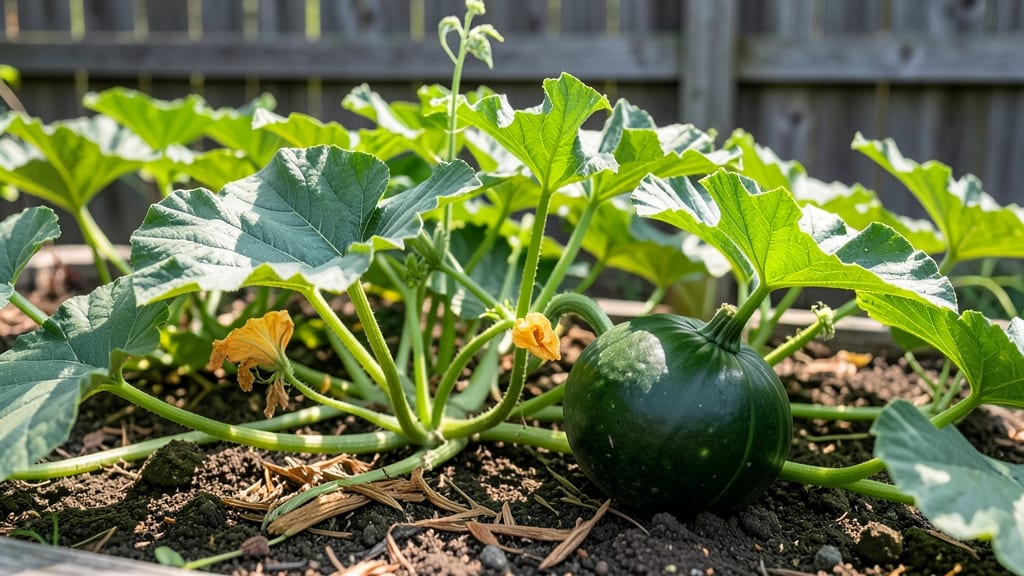
Growing orange kabocha squash means harvesting sweet, dense fruits that taste like fall in every bite. 🍠 I’ve grown them for years, and the secret to success starts with soil prep—kabocha thrives in well-draining, slightly acidic soil rich in compost.
Unlike other squash, they handle cooler temps better, making them perfect for late-summer planting. You’ll need 5-6 feet of space per plant (they sprawl!) and a sunny spot with 6+ hours of light daily.
Plant seeds after the last frost, about 1 inch deep, and thin seedlings to 2-3 feet apart. The large fruits need sturdy support—use a slatted board or wire trellis to keep them off damp soil and prevent rot.
By mid-fall, you’ll be harvesting 8-12 pound squash with vibrant orange skin and creamy flesh. Store them in a cool, dry place, and they’ll keep for months—perfect for soups, roasting, or baking. The first harvest is always the sweetest reward.
This variety is foolproof for beginners but pays off big for experienced growers too. Just watch for squash vine borers and keep an eye on powdery mildew—early prevention saves headaches later.
📚 In This Guide
- What you need
- Instructions
- Tips and common mistakes
- Wrapping up and next steps
What you need
- ● Kabocha squash seeds: 3–5 seeds per plant (or 1–2 seeds if you’re short on space). Choose frost-resistant varieties like Kabocha or Hokkaido for cooler climates.
- ● Well-draining soil: A mix of 50% garden soil + 30% compost + 20% perlite/sand (pH 6.0–6.8). Test soil moisture—it should feel like a wrung-out sponge.
- ● Containers or garden bed: Containers: 5-gallon pots (minimum) with drainage holes. Use 2–3 pots per plant for vining varieties.
- ● Garden bed: Full sun (6+ hours/day) and 18–24 inches of space per plant (they spread!).
- ● Fertilizer: Balanced 10-10-10 or organic options like composted manure or worm castings (apply at planting and mid-season).
- ● Watering can or hose: With a gentle spray nozzle to avoid disturbing soil.
- ● Row covers or frost cloth: For early/late planting to protect from light frosts (28–32°F).
- ● Trellis or stakes: If growing bush varieties, a 3–4 ft tall trellis saves space and improves airflow.
- ● Mulch: Straw or shredded leaves to retain moisture and suppress weeds.
- ● Plant markers: Biodegradable labels to track varieties (kabocha loves to hide!).
- ● Pruning shears: For trimming vines if they get too rowdy.
- ● Harvest knife: A sharp, clean knife for cutting stems (not pulling!) when squash is ready.
Step-by-step guide to growing orange kabocha squash
This hardy winter squash thrives in cooler weather—here's how to grow it from seed to harvest.
🌱 Step 1: Prepare Soil and Plant Seeds Early
Kabocha squash loves rich, well-draining soil with a pH between 6.0 and 6.8. Work in 2-3 inches of compost before planting to provide nutrients for their heavy vines. Since kabocha prefers cooler weather, I start seeds indoors 4-6 weeks before the last frost date in biodegradable pots (they hate root disturbance). Plant seeds 1 inch deep and keep them in a warm spot (70-80°F) until germination, which takes 7-14 days.
Transplant seedlings outdoors after all danger of frost has passed, spacing them 3-4 feet apart in rows 5-6 feet apart. The extra space prevents disease and allows vines to sprawl without competition. I always plant mine near a sturdy trellis or fence—they’ll climb if given the chance, though they often sprawl instead.
☀️ Step 2: Provide Consistent Water and Full Sun
Kabocha squash needs full sun (6-8 hours daily) and 1-2 inches of water per week, especially during flowering and fruiting. Water at the base of plants in the morning to prevent fungal diseases, and avoid wetting the leaves. I use drip irrigation to keep moisture consistent—uneven watering leads to blossom-end rot or misshapen fruit.
Mulch heavily with straw or shredded leaves to retain moisture and suppress weeds. The vines spread aggressively, so keep the area around plants clear. If you notice yellowing leaves, it’s usually a sign of powdery mildew—spray with a baking soda solution (1 tsp per quart of water) to prevent spread.
🌿 Step 3: Fertilize and Support for Heavy Fruit
Feed plants with a balanced organic fertilizer (10-10-10) when flowers appear, then switch to a low-nitrogen, high-phosphorus formula once fruit sets. Kabocha squash produces heavy, dense fruit, so side-dress with compost every 3-4 weeks to support growth. I also add a handful of wood ash for potassium, which helps with fruit development.
If your garden has poor soil, consider side-dressing with aged manure mid-season. The vines are vigorous but need steady nutrition—don’t skimp on fertilizer. Watch for squash bugs and cucumber beetles, which love kabocha. Handpick them early or use neem oil as a preventative spray.
⏰ Step 4: Harvest Before Frost for Best Flavor
Kabocha squash is ready to harvest 90-100 days after planting, when the rind turns hard and the stem dries slightly. Check for a deep orange color and a dull sound when tapped—this means it’s fully mature. Use a sharp knife or pruners to cut the stem, leaving 1-2 inches attached to prevent rot.
Cure harvested squash by placing it in a warm (80-85°F), dry, well-ventilated space for 10 days. This hardens the skin and concentrates flavors. Store in a cool (50-55°F), dark place where they’ll keep for 3-6 months. If frost threatens before harvest, pick squash early—they’ll ripen off the vine but lose some sweetness.
Tips & tricks for growing perfect orange kabocha squash
A few strategic moves will help you grow the sweetest, most productive kabocha squash possible—especially when dealing with cooler fall weather.
The Soil Secret: Before planting, mix in 2-3 inches of compost and test your soil pH—kabocha thrives between 6.0 and 6.8. If your soil is too acidic, add lime to adjust it. I've found that adding a handful of wood ash at planting time gives my plants a potassium boost right from the start, which helps with fruit development. The key is creating that perfect balance of nutrients before those heavy vines even start growing.
Germination Hack: When starting seeds indoors 4-6 weeks before last frost, use biodegradable pots and keep them warm (70-80°F) for consistent germination. I place my seed trays on a heating mat set to 75°F—this cuts germination time from 14 days to just 7-10 days. The moment you see those first sprouts, move them to a sunny windowsill or under grow lights for 12-14 hours daily. Don't rush the transplant—wait until all danger of frost has passed and nighttime temperatures stay above 50°F.
Watering Wisdom: The 1-2 inches of water per week guideline works best when delivered consistently through drip irrigation. I've learned that morning watering is non-negotiable—wet leaves at any other time invite powdery mildew. For extra insurance, I add 1 tablespoon of baking soda per gallon of water every other week as a preventative spray. And here's the thing about mulching: don't skimp. A thick layer of straw or shredded leaves keeps moisture in and weeds out, which means less competition for your kabocha's nutrients.
Harvesting Cues: That 90-100 day window can feel like an eternity, but trust the visual cues: deep orange color, hard rind, and that distinctive dull thud when tapped. I always harvest on a dry morning after the dew has evaporated—this helps the cut stem dry faster and prevents rot. For the 10-day curing process, I use my garage with a small fan running. The combination of 80-85°F warmth and gentle airflow creates perfect curing conditions without risking mold from high humidity.
Pro Tips for Orange Kabocha Squash
- A few strategic moves will help you grow the sweetest, most productive kabocha squash possible—especially when dealing with cooler fall weather.
- The Soil Secret: Before planting, mix in 2-3 inches of compost and test your soil pH—kabocha thrives between 6.0 and 6.8.
- Germination Hack: When starting seeds indoors 4-6 weeks before last frost, use biodegradable pots and keep them warm (70-80°F) for consistent germination.
Frequently asked questions
When is the best time to harvest orange kabocha squash?
Harvest your kabocha squash when its rind turns hard and its color deepens to a vibrant orange. For frost-resistant varieties, aim for 90–110 days after transplanting, but don’t rush—wait until the skin is tough to the touch (like a pumpkin). Early frost can damage vines, so pick before the first hard freeze to preserve quality.
Can kabocha squash survive light frost?
Yes! Orange kabocha squash is one of the most frost-tolerant winter squash varieties. While young plants may need protection, mature squash can handle light frosts (25–30°F). For heavy frost, harvest before temperatures drop below 20°F. Store in a cool, dry place (50–55°F) to extend shelf life for 3–6 months.
What can I do if my kabocha squash develops soft spots or rot?
Soft spots or rot are often caused by overwatering, poor drainage, or fungal diseases. If you spot issues early, remove affected squash immediately. Improve airflow by spacing plants 3–4 feet apart and avoid wetting foliage. For prevention, use mulch and rotate crops yearly to reduce soil-borne pathogens.
Are there any easy substitutes for kabocha squash in recipes?
If you’re swapping kabocha for another squash, use a 1:1 ratio by weight. Butternut squash is the closest substitute for sweetness and texture, while acorn or delicata squash work well in soups and roasts. For a heartier option, try hubbard squash, though it’s less frost-resistant. Pro tip: Kabocha’s nutty flavor pairs uniquely with ginger, miso, or coconut!
How do I protect kabocha squash from early fall frosts?
Use these frost-proofing tricks:
- Row covers: Lightweight fabric can raise temps by 5–8°F.
- Black plastic mulch: Warms soil and speeds up growth.
- Straw mulch: Insulates roots and retains moisture.
- Harvest early: Pick squash before vines die back.
Wrapping up and next steps
Growing orange kabocha squash is a rewarding way to bring warmth and harvest to your fall garden—even in cooler climates! 🍂 With frost-resistant varieties like Kabocha or Hokkaido, you’re just a few seasons away from enjoying sweet, nutty flesh perfect for soups, roasts, or pies. Start small, stay patient, and soon you’ll be reaping the golden rewards of your labor!
Ready to dive in? Pick your favorite kabocha variety, gather your tools, and plant with confidence! 🌱 Whether you’re a seasoned gardener or a curious beginner, this frost-hardy squash is your ticket to a cozy, homegrown harvest.