
Picking
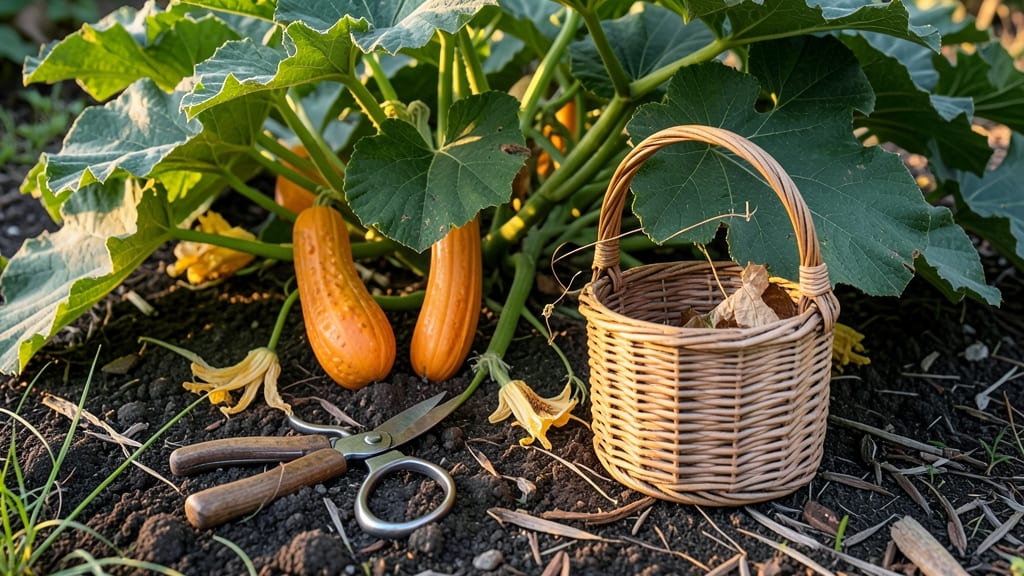
Growing orange bumpy crookneck squash is like cultivating a nutty, sweet treasure in your garden. 🌱 The key to unlocking their full potential starts with the right timing—plant seeds after your last frost when soil reaches 60°F, and you'll be rewarded with vines that sprawl beautifully and fruits packed with flavor.
These squash thrive in full sun and well-draining soil rich in compost. I’ve found that a 3-foot-wide planting space gives vines room to stretch while keeping leaves off the ground, which cuts down on disease risks. Water consistently—about 1 inch per week—but avoid soggy soil, as it invites rot.
Harvest when the neck starts to curve and the skin turns a deep orange, usually 75-90 days after planting. The bumps along the neck? That’s your cue—they’ll be sweeter and more flavorful when they’re slightly firm to the touch.
One vine can produce 6-10 squash, so plan for plenty of space or trellises if needed.
Watch for squash vine borers and powdery mildew, which love humid conditions. A light mulch keeps roots cool and deters pests, while pruning lower leaves improves airflow. With these tips, you’ll go from seed to harvest with confidence—and maybe even a few extra squash to share!
📚 In This Guide
- What you need
- Instructions
- Tips and common mistakes
- Wrapping up and next steps
What you need
- ● Orange bumpy crookneck squash: 3–5 mature squash (look for firm skin, no soft spots, and a vibrant orange hue).
- ● Sharp pruners or garden shears: 1 pair (for clean cutting if harvesting from vines).
- ● Cutting board: 1 medium/large (for prepping).
- ● Chef’s knife or serrated knife: 1 (8–10 inches for slicing).
- ● Colander or large bowl: 1 (for rinsing).
- ● Paper towels or clean kitchen towel: 1 roll (for drying).
- ● Gloves: 1 pair (to protect hands from squash spines).
- ● Storage container (resealable bag or airtight box): 1 (for short-term storage).
- ● Measuring cups/spoons: Set (if planning to use squash in recipes).
- ● Food processor or mandoline: 1 (for quick dicing or spiralizing).
Step-by-Step guide to growing orange bumpy crookneck squash
Here’s how to coax those distinctive, nutty-flavored squash from seed to harvest—with vines that sprawl beautifully and fruit that tastes like autumn in every bite.
🌱 Step 1: Start Seeds Indoors 4-6 Weeks Before Last Frost
Fill 2-3 inch deep seed-starting trays with moistened seed-starting mix, pressing it down lightly to remove air pockets. Plant 1-2 seeds per cell at a depth of 1 inch, since crookneck seeds are large and need room to push through. Cover lightly with additional mix—just enough to hide the seeds, no more. Press gently to ensure good seed-to-soil contact.
Place the trays in a warm spot, ideally 75-85°F, using a seedling heat mat if needed. Germination takes 7-14 days, but stay patient—some seeds may take longer, especially in cooler conditions. Once sprouts emerge, move them to a sunny windowsill or under grow lights for 12-14 hours daily. You’ll know they’re ready to transplant when they’ve developed 2-3 true leaves and are sturdy enough to handle.
☀️ Step 2: Harden Off and Transplant After All Frost Risk Has Passed
Begin hardening off seedlings 10-14 days before transplanting by placing them outdoors in a sheltered spot for 1-2 hours the first day. Gradually increase their time outside over 7-10 days, ending with a full day in direct sunlight. This toughens their stems and leaves, preventing shock when they’re moved to the garden.
Choose a location with full sun (6-8 hours daily) and well-draining soil with a pH of 6.0-6.8. Crookneck squash vines sprawl 3-5 feet, so space plants 3-4 feet apart in rows 5-6 feet apart. Dig holes slightly larger than the root ball, place seedlings in, and backfill with soil, pressing gently to eliminate air pockets. Water deeply at the base to settle the soil and encourage root growth.
💧 Step 3: Provide Consistent Water and Support for Vines
Water deeply 1-2 times per week, aiming for 1 inch of water per week, and more during hot, dry spells. Keep the soil evenly moist but not soggy—crookneck squash are prone to rot if their roots sit in water. Use a soaker hose or drip irrigation to deliver water at the base, avoiding wet foliage, which can invite fungal diseases like powdery mildew.
As vines grow, they’ll need support to sprawl effectively. Install 4-5 foot tall trellises or sturdy cages near planting holes before vines take off. Gently weave vines through the trellis as they grow, encouraging an even spread. This not only saves space but also improves air circulation, reducing disease risk. You’ll see vines thicken and leaves darken as they establish—this is your cue that they’re thriving.
✂️ Step 4: Monitor for Pests, Prune Wisely, and Harvest at Peak Ripeness
Watch for squash vine borers and cucumber beetles, which can devastate plants. Handpick beetles in the morning when they’re sluggish, and cover young plants with floating row covers until they’re established. If you spot wilting or sawdust-like frass (borer droppings), treat with neem oil or Bacillus thuringiensis (Bt) as a preventive measure.
Prune vines lightly to improve airflow and fruit production. Remove any yellowed or diseased leaves promptly, and pinch off early blooms if your plant looks stressed—this redirects energy to stronger growth. Harvest squash when they’re 6-8 inches long and the skin is tough but still slightly tender. Twist gently to detach from the vine; don’t cut, as this can leave an open wound for pests. The bumpy texture and deep orange color will darken as they ripen—this is your signal they’re ready for the kitchen.
🌿 Step 5: Extend the Season and Prepare for Storage
To prolong harvests, cover young plants with row covers in early fall to protect them from frost. Crookneck squash can tolerate light frosts, but a hard freeze will kill the vines. Once harvests slow, pull up healthy vines and compost them to prevent pests from overwintering in the soil.
Store squash in a cool, dry place with good air circulation, such as a basement or pantry. A single layer on a wire rack works best—avoid stacking, as this traps moisture and encourages rot. They’ll keep for 2-3 months under these conditions, though flavor peaks within the first 1-2 weeks of harvest. Save seeds from your best squash for next year by scooping out the pulp, rinsing the seeds, and drying them on a paper towel for 3-5 days before storing in an airtight container.
Tips & tricks for growing perfect orange bumpy crookneck squash
These insider tricks will help you nurture thriving vines and harvest squash with that signature nutty sweetness.
Seed Starting Strategy: Confession: I skipped pressing down the seed-starting mix for years, and my germination rates suffered. That light pressing in Step 1 removes air pockets so seeds make better contact with moisture—critical for those large crookneck seeds. Use a small hand tamper or even a clean spoon to gently compress the mix after planting. For extra insurance, place your seed trays in a plastic bag until germination begins; this creates a humid microclimate that speeds up sprouting.
Harden Off Like a Pro: The gradual hardening process in Step 2 is where many gardeners trip up. I learned this the hard way after transplanting shock-prone seedlings. Start with just 1-2 hours on Day 1, and increase by 1 hour each subsequent day. Watch for wilting—this is your plant's way of saying "too much too soon." A sheltered spot like under a patio cover protects from wind while still letting them acclimate to outdoor conditions. Pro move: Place a small fan nearby during hardening to simulate wind exposure without stressing the plants.
Trellis Timing: Don't wait until vines are sprawling everywhere to install your trellises in Step 3. Set them up right when you transplant, even if they're just 6 inches tall. This gives vines something to climb immediately, preventing tangled messes later. For extra stability, bury the base of trellises 6 inches deep or use heavy-duty garden stakes. I've found that twine trellises work best—vines naturally weave through them, creating that beautiful bushy appearance while maximizing air circulation.
Harvesting Cues: Those 6-8 inch size guidelines in Step 4 are just the starting point. The real magic happens when you look for three perfect indicators: the bumpy texture should feel firm to the touch, the deep orange color should darken slightly, and the stem where it meets the vine should be dry and papery. Here's what nobody tells you—if you harvest when the squash still has a slight sheen, they'll ripen beautifully on your countertop overnight. This is when their flavor peaks at that perfect balance of sweetness and nuttiness.
Pro Tips for Orange Bumpy Crookneck Squash
- These insider tricks will help you nurture thriving vines and harvest squash with that signature nutty sweetness.
- Seed Starting Strategy: Confession: I skipped pressing down the seed-starting mix for years, and my germination rates suffered.
- Harden Off Like a Pro: The gradual hardening process in Step 2 is where many gardeners trip up.
Frequently asked questions
Got questions about growing, harvesting, or cooking with orange bumpy crookneck squash? You’re not alone! Here are some of the most common queries—and their answers—to help you master this nutty, flavorful squash.
When is the best time to harvest orange bumpy crookneck squash?
Harvest when the skin turns a deep orange and the neck starts to curve sharply (usually 60–70 days after planting). Use a sharp knife to cut stems—never twist—to avoid damaging the vines. Pro tip: Pick in the morning when sugars are highest for sweeter flavor!
Can I substitute orange bumpy crookneck squash for butternut squash in recipes?
Their nutty, sweet profiles are nearly identical, but crooknecks have a slightly firmer texture. For roasting or soups, use a 1:1 swap. For baking, peel the skin first—it’s thicker than butternut’s. Bonus: The bumpy skin adds extra flavor when roasted!
What should I do if my squash vines look wilted or have holes?
Wilting often signals squash vine borers or powdery mildew. For borers, handpick larvae (check stems for sawdust-like frass ) or use row covers early. For mildew, improve airflow and spray with neem oil. Preventative tip: Plant in full sun and rotate crops yearly!
How long can I store harvested orange bumpy crookneck squash?
Store in a cool (50–55°F), dry place (like a root cellar or pantry) for 2–3 months. Avoid refrigeration—it turns starches to sugar too fast! For longer shelf life, cure them first: Place in sunlight for 3–5 days to harden the skin. Fun fact: The longer they cure, the sweeter they get!
What’s the best way to cook orange bumpy crookneck squash to bring out its flavor?
Roasting or grilling enhances its caramelized sweetness. Toss cubes with olive oil, salt, and smoked paprika, then roast at 400°F for 25–30 mins. For soups, peel and seed first—its creamy texture blends beautifully! Pro move: Add a splash of maple syrup or tahini for depth!
Wrapping up and next steps
Growing orange bumpy crookneck squash is a rewarding adventure—packed with nutty, sweet flavors and the joy of watching those bushy vines thrive! Whether you're a seasoned gardener or a curious beginner, this versatile squash brings rich harvests and versatile recipes to your table. 🌱
Now that you’ve got the secrets to success, why not plant a few seeds this season? Start small, experiment with flavors, and share your harvest with friends. Happy growing—and may your kitchen (and garden!) be forever filled with the warm, comforting taste of these little orange gems! 🍽️✨