
Pests and Diseases
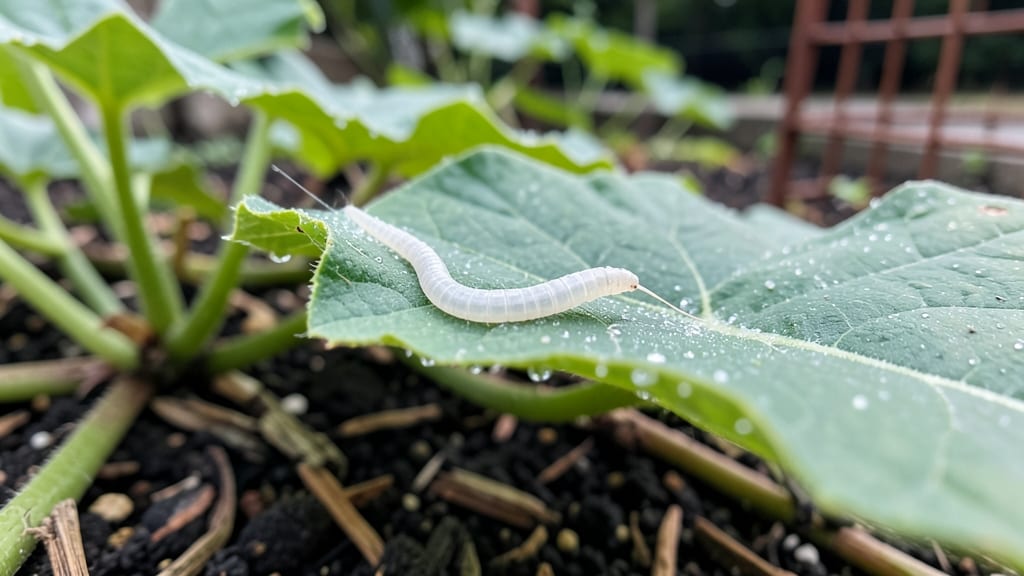
This natural pesticide for squash bugs—neem oil—is your secret weapon against the silent assassins of summer gardens, and I’ve battled these shield-backed pests for years. 🌿 your plants or pollinators.
The magic is in the timing and concentration: apply when bugs are active (late morning or afternoon) and mix 1 tablespoon of neem oil per quart of water with a drop of dish soap as an emulsifier.
Spray undersides of leaves where eggs hide, and reapply every 5-7 days until no new bugs appear. It’s not instant, but it’s organic, effective, and safe for edible crops. By mid-summer, your zucchini and pumpkins will thrive without chewed leaves or wilted vines.
The key is consistency—neem oil disrupts their life cycle, not just their bodies. You’ll know it’s working when you see fewer adults and no tiny black eggs clinging to stems. Works for all squash family plants (cucumbers, melons, too) and pairs well with row covers for extra protection.
Let’s get those bugs under control!
Why it happens
Squash bugs aren’t just random visitors—they’re strategic pests with specific triggers that turn your garden into their ideal buffet. Understanding these causes helps you disrupt their cycle before they wreak havoc. Here’s why these shield-backed invaders show up uninvited:
Squash bugs thrive in clutter. When you leave behind wilted vines, fallen leaves, or rotting squash, you’re creating a perfect microclimate for their survival. Why?
- Moisture retention: Decaying organic matter holds water, which softens soil and makes it easier for squash bug eggs to hatch. The bugs’ eggs need 10–14 days of damp conditions to develop.
- Shelter: Debris shields eggs and nymphs from predators (like birds or ladybugs) and desiccation. A single leaf can hide 20–30 eggs in a cluster.
- Food source: Rotting squash emits volatile organic compounds (VOCs) that attract adult squash bugs from miles away. Think of it as a pest pheromone.
Actionable fix: Clear garden beds weekly, especially after harvest. Remove plants at the first sign of yellowing—don’t compost them! Toss them in the trash or burn them (if legal) to break the cycle.
Squash bugs are specialists—they target cucurbits (squash, pumpkins, cucumbers, melons) with surgical precision. If you grow the same plants year after year in the same spot, you’re signaling to them: “All-you-can-eat buffet here!”
- Soil-borne cues: Squash bugs detect root exudates (chemicals released by squash roots) that prime the soil for their offspring. Repeated plantings enrich these signals over time.
- Larval survival: Nymphs (baby squash bugs) molt 5 times before adulthood. If their food source (your squash!) is nearby, they’ll stay put instead of dispersing.
- Weed hosts: Wild cucurbits (like Cucurbita pepo volunteers) act as bridge hosts, letting bugs overwinter and return stronger.
Actionable fix:
- Rotate crops annually—avoid planting squash, cucumbers, or melons in the same spot for 3+ years.
- Solarize soil in late summer: Cover beds with clear plastic for 4–6 weeks to kill overwintering eggs (temperatures >104°F sterilize the top 6 inches).
- Remove weeds like buffalo gourd or wild cucumber—they’re squash bug magnets.
Squash bugs are cold-hardy but heat-loving. They time their life cycle to exploit ideal growing conditions for both them and your plants. Here’s how climate plays a role:
| Stage | Temperature Needs | Why It Matters |
|---|---|---|
| Egg Laying | 60–85°F (with humidity >60%) | Females lay 20–30 eggs per cluster on undersides of leaves. High humidity keeps eggs from drying out. |
| Nymph Hatch | 70–80°F | Nymphs are most vulnerable in this stage—desiccation kills them within 24 hours if humidity drops below 50%. |
| Adult Activity | 75–90°F | Adults feed aggressively in heat, injecting toxins that cause wilting. They also mate and lay more eggs when temps are high. |
Actionable fix:
- Use row covers (floating fabric) to disrupt egg-laying in early spring. Remove when flowers appear to allow pollination.
- Improve airflow with pruning and staking—dense foliage traps moisture, creating squash bug paradise.
- Mulch with straw or wood chips (not plastic) to moderate soil temp—extreme heat stresses bugs.
Squash bugs face few enemies in a well-maintained garden. Their shield-shaped bodies and toxic saliva deter most predators, but a balanced ecosystem can still tip the scales in your favor. Here’s who’s missing from your garden—and why it matters:
- Ground beetles: Devour eggs and nymphs but need open soil and diverse plantings to thrive.
- Parasitic wasps: Lay eggs inside squash bug eggs, killing them from within. They’re picky about clean, undisturbed gardens.
- Spiders and lacewings: Ambush nymphs but struggle in monoculture gardens (single-crop plantings).
- Chickens/ducks: Will peck adults but often ignore eggs/nymphs hidden in debris.
Actionable fix:
- Plant companion plants like nasturtium, dill, or tansy to attract predators.
- Avoid broad-spectrum pesticides (even “natural” ones like pyrethrin) that kill beneficial insects.
- Install bug hotels or native plant borders to support predator populations year-round.
Natural Ways to Stop Squash Bugs
Squash bugs are relentless pests, but with the right natural solutions, you can smother their lifecycle and keep your squash patch thriving. Below are targeted fixes for the most common causes of infestations—plus prevention tips to keep them away for good.
Squash bugs thrive in dense, chaotic plantings where they hide and multiply. Solution: Give your plants room to breathe.
- 🔥 Thin seedlings early – Space squash, pumpkin, and zucchini plants 3–4 feet apart to improve airflow and visibility. - 🍳 Remove weeds and debris – Squash bugs love hiding in leaf litter and weeds.
Keep the area clean, especially after harvest. - ⏰ Rotate crops – Avoid planting squash family crops (cucurbits) in the same spot yearly. Bugs overwinter in soil, so switch locations.
💡 Pro Tip: Use straw mulch instead of grass clippings—it deters bugs and retains moisture better.
Squash bugs lay eggs in clusters on the undersides of leaves. Solution: Physically remove them before they become nymphs.
- 👨🍳 Scrape eggs off leaves – Use a plastic spoon or stiff brush to collect and crush eggs daily (wear gloves—they stink when crushed!).
- 🥘 Apply neem oil spray – Mix 1 tbsp neem oil + 1 tsp mild soap + 1 quart water, spray thoroughly (especially undersides), and reapply every 5–7 days.
- 🔪 Use reflective mulch – Lay aluminum foil or silver plastic around plants to confuse and repel egg-laying adults.
✨ Bonus: Diatomaceous earth (DE) works too—sprinkle food-grade DE around plants (avoid windy days). It dehydrates bugs but is harmless to plants.
Adult squash bugs are tough but vulnerable to natural deterrents. Solution: Use barriers and traps to keep them away.
- 🌡️ Set up beer traps – Bury a shallow container filled with beer (they drown in it).
Replace every few days. - 🎯 Use row covers – Lightweight floating row fabric blocks adults from laying eggs (remove when flowers appear for pollination). - 🍎 Plant companion crops – Interplant with radishes, nasturtiums, or marigolds—their strong scents mask squash plants.
💡 Pro Tip: Crushed garlic or chili pepper spray (1 tbsp each + 1 quart water) can deter adults. Spray in the evening to avoid harming bees.
An ounce of prevention beats a pound of cure. Solution: Break the squash bug cycle before it starts.
- 📊 Clean up in fall – Remove all plant debris, vines, and weeds where bugs overwinter. - 💪 Inspect new plants – Check nursery-bought squash plants for eggs or bugs before transplanting. - 🥗 Use beneficial insects – Spined soldier bugs and big-eyed bugs prey on squash bug eggs.
Release them or attract them with diverse plantings.
✨ Long-Term Fix: Crop rotation + trap cropping – Plant a sacrificial patch of radishes nearby to lure bugs away from your main crop.
By combining physical removal, neem oil sprays, and smart garden habits, you can outsmart squash bugs naturally—without harsh chemicals. Stay vigilant, and your squash will thank you! 🎉
Frequently asked questions
Why does neem oil work better than other natural sprays for squash bugs?
Neem oil disrupts squash bugs' life cycle at multiple stages: it smothers eggs, repels adults, and interferes with their feeding. Unlike garlic or chili sprays that only deter adults temporarily, neem oil's active compounds (azadirachtin) prevent eggs from hatching and stop nymphs from maturing. Apply it in the late morning or afternoon when bugs are active for best results.
How often should I reapply neem oil spray?
Reapply neem oil every 5-7 days during active squash bug season (spring through summer). Rain washes it away, so check leaves after storms. For severe infestations, add a drop of dish soap to help the solution stick to leaves. Stop spraying 2 weeks before harvest to avoid any residue on edible crops.
Can I use neem oil if I have ladybugs or bees in my garden?
Yes, but with caution. Neem oil is least toxic to beneficial insects when applied at dusk or dawn (when bees aren't active). Avoid spraying flowers directly. For extra safety, use a 1% neem oil concentration (1 tbsp per quart) instead of higher doses. Ladybugs and parasitic wasps are more resilient than squash bugs.
What's the fastest way to remove squash bug eggs by hand?
Use a plastic spoon or stiff paintbrush to scrape eggs off leaf undersides into soapy water. Work early in the day when eggs are still moist. Wear gloves—they release a foul odor when crushed! Focus on new growth and leaf veins where females lay clusters. Crush all eggs immediately to prevent hatching.
Will diatomaceous earth work if my garden gets frequent rain?
No, diatomaceous earth (DE) loses effectiveness after rain because it needs to stay dry to dehydrate bugs. For wet climates, use neem oil or row covers instead. If you must use DE, reapply it after 24 hours without rain. The best time is early morning when dew has evaporated but before bugs become active.