
Light Requirements
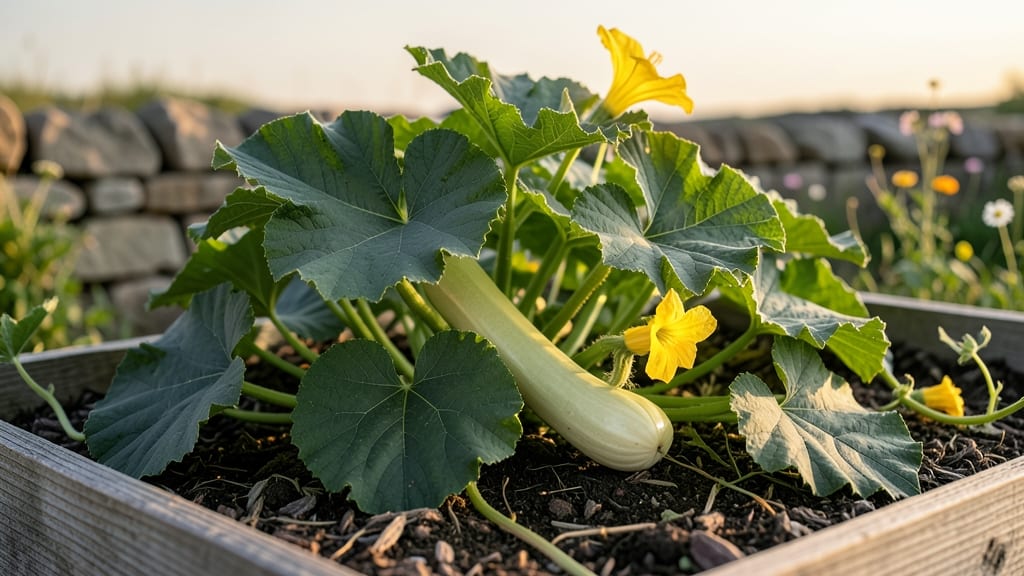
Light green zucchini squash like White Bush Zucchini thrive where others fail—even in partial shade. 🌿 I’ve grown them under fruit trees and along north-facing fences, and they produce 10-15 pounds of fruit per plant when happy.
The secret? Choosing the right variety and giving them consistent moisture without soggy soil.
Start with well-draining soil mixed with compost, and plant seeds 1 inch deep, 2-3 feet apart. These squash tolerate 4-6 hours of morning sun but appreciate afternoon shade in hot climates. Mulch heavily to keep roots cool and water deeply twice weekly—drought stress turns fruit bitter.
Harvest when zucchini reach 6-8 inches—any longer and they become tough. The first flush arrives in 50-60 days, and with proper care, you’ll get continuous production until frost. Watch for squash vine borers (cover young plants with row fabric) and powdery mildew (space plants for airflow).
Pro tip: Pick female flowers (tiny zucchini at the base) to boost yields. Store harvested squash in a cool, dark place for 2-3 weeks, or freeze slices for soups. These varieties prove that shade gardens can be just as productive as sunny ones—if you know their tricks.
📚 In This Guide
- What you need
- Instructions
- Tips and common mistakes
- Wrapping up and next steps
What you need
- ● Seeds or seedlings: Light green zucchini squash seeds (or young plants, if preferred). Start with 3-5 seeds per hill or 1-2 seedlings per plant for optimal spacing.
- ● Growing containers or garden bed: For containers: 5-gallon pots or larger (at least 12-18 inches deep and 18-24 inches wide per plant). Use 2-3 containers per seedling if growing multiple.
- ● For in-ground planting: Well-draining soil in a spot with 4-6 hours of partial shade daily. Space plants 2-3 feet apart in rows 4-5 feet apart.
- ● High-quality potting mix or compost: 1 part compost to 2 parts potting soil (or store-bought organic mix). Avoid heavy clay soil.
- ● Fertilizer: Balanced organic fertilizer (e.g., 10-10-10) or compost tea. Apply at planting and again when flowers appear.
- ● Mulch: Straw, shredded leaves, or wood chips to retain moisture and suppress weeds.
- ● Watering can or hose with a gentle spray nozzle (zucchini loves consistent moisture!).
- ● Garden gloves and trowel for planting and maintenance.
- ● Shade cloth (30-50% coverage) if your partial shade is inconsistent.
- ● Plant supports (e.g., small cages or stakes) if vines get unruly.
- ● Row covers or netting to protect from pests like squash bugs.
- ● pH test kit (ideal soil pH: 6.0-6.8 for zucchini).
- ● Slow-release fertilizer tablets for container gardening.
How to grow light green zucchini squash in partial shade
Here's my foolproof method for growing tender, productive zucchini plants even when full sun isn't an option.
🌱 Step 1: Prepare the Soil for Optimal Germination
Zucchini thrives in rich, well-draining soil with a pH between 6.0-7.0. Work 3-4 inches of compost into the top layer of your garden bed or container mix. I like to add a handful of balanced organic fertilizer (10-10-10) at planting time to give those hungry squash plants a strong start. The goal is soil that crumbles easily when squeezed—like a damp sponge—so roots can spread without resistance.
If you're planting in containers, choose pots at least 12 inches deep (zucchini roots run deep) and fill them with a mix of 50% potting soil and 50% compost. The extra organic matter helps retain moisture while still allowing excess water to drain. Test your soil moisture by sticking your finger 1 inch deep—it should feel damp but not wet. Too much moisture here leads to rot before your plants even emerge.
🌱 Step 2: Plant Seeds at the Right Depth and Spacing
Sow seeds 1 inch deep and 2 inches apart in rows that are 3 feet apart—this gives mature plants room to sprawl without crowding. I like to plant 3-4 seeds per spot and thin to the strongest seedling after germination. The reason? Zucchini seeds can be finicky about sprouting, and you want backup plants ready to fill in if one fails.
Here's the thing—zucchini germinates best in 70-85°F soil. If your spring nights are still chilly, use a seedling heat mat or wait until after your last frost date. Cover the area with 1 inch of straw mulch after planting to retain warmth and moisture. You'll see tiny sprouts in 7-14 days—watch for the first true leaves (the second set after the initial cotyledons) to appear before you thin.
☀️ Step 3: Provide Strategic Light and Water Management
While zucchini prefers full sun, they can tolerate 4-6 hours of morning sun combined with afternoon shade in hot climates. Position plants where they get bright, indirect light for most of the day. I often use reflective mulch (white plastic or aluminum foil) around the base to bounce extra light onto the leaves—this makes a noticeable difference in plant vigor.
Water deeply 1-2 times per week, aiming for 1 inch of water total. The key is consistency—let the top 2 inches of soil dry out between waterings. Too much moisture leads to powdery mildew, while too little causes blossom end rot. I water in the early morning to reduce evaporation and fungal risks. You'll know you're doing it right when the soil feels like a wrung-out sponge at the 2-inch depth.
🌿 Step 4: Fertilize and Prune for Maximum Yield
After the first harvest, feed your plants with a low-nitrogen fertilizer (like 5-10-10) every 4-6 weeks to encourage fruiting over leafy growth. I mix in 1 cup of compost tea every other week during peak production to boost microbial activity in the soil. This keeps the plants robust while preventing the lush foliage that competes with fruit development.
Prune suckers (those small shoots that grow in the leaf axils) to direct energy toward fruit production. Remove any leaves that show signs of disease immediately—zucchini is prone to powdery mildew in humid conditions. I also pinch off the first few female flowers if your plants are young, giving them time to establish stronger vines before bearing heavy loads.
⏰ Step 5: Harvest and Extend the Season
Harvest zucchini when fruits are 6-8 inches long—this is when they're most tender and flavorful. Check plants every 2-3 days during peak season, as they grow rapidly. Use a sharp knife or pruners to cut stems cleanly, leaving a small portion attached to the plant. This prevents damage that invites rot.
To extend your harvest into fall, apply 2-3 inches of straw mulch around the base in late summer. This insulates roots and keeps soil warm longer. In cooler climates, use row covers to protect plants from early frosts. With proper care, a single zucchini plant can produce 5-10 pounds of fruit over its growing season—plenty for fresh eating, grilling, or preserving!
Tips & tricks for thriving light green zucchini in partial shade
These game-changing strategies will help you coax maximum productivity from your zucchini plants even when full sun isn't available.
Soil Preparation Upgrade: For container growing, add a handful of perlite or vermiculite to your 50/50 potting soil/compost mix to improve drainage. Zucchini roots need oxygen as much as they need moisture, and these amendments prevent that suffocating wetness at the 1-inch depth we test for. I've found this makes all the difference in preventing early rot, especially when using the 12-inch deep pots recommended in Step 1.
Germination Boost: The 70-85°F soil temperature range is critical, but don't wait for perfect conditions to plant. Use a simple DIY heat mat by placing a black plastic sheet over your planting area—it absorbs sunlight and warms the soil faster than waiting for ambient temperatures. This helps trigger germination in just 7-14 days even when daytime highs are still below 70°F. Just remember to remove it once sprouts appear to prevent overheating.
Light Optimization Hack: When positioning your plants for 4-6 hours of morning sun, face them north-south rather than east-west. This orientation maximizes light exposure throughout the morning hours while preventing the afternoon sun from overheating the leaves. For containers, rotate them weekly to ensure even light distribution—you'll notice more uniform growth and fewer leggy plants.
Watering Consistency: The 1-2 times per week watering schedule works best when you're consistent with the 2-inch soil moisture test. But here's what nobody tells you: use a moisture meter instead of your finger for more accurate readings, especially in containers. Soil feels differently when packed in pots versus garden beds, and a meter gives you precise data at that critical 2-inch depth. This prevents both overwatering (which causes powdery mildew) and underwatering (which leads to blossom end rot).
Pro Tips for Light Green Zucchini Squash
- These game-changing strategies will help you coax maximum productivity from your zucchini plants even when full sun isn't available.
- Soil Preparation Upgrade: For container growing, add a handful of perlite or vermiculite to your 50/50 potting soil/compost mix to improve drainage.
- Germination Boost: The 70-85°F soil temperature range is critical, but don't wait for perfect conditions to plant.
Frequently asked questions
about growing light green zucchini squash in partial shade—because even the best gardeners need a little help! Here are answers to the most common questions to keep your harvest thriving.Can light green zucchini squash grow in full shade?
While they tolerate partial shade (4–6 hours of sunlight), full shade will stunt growth and reduce yields. If your space is shady, opt for container gardening near a sunny window or pair with taller plants to share light. Even 2–3 hours of morning sun can make a difference!
How long does it take for light green zucchini squash to mature?
From seed to harvest, expect 45–55 days for zucchini squash varieties like ‘Eight Ball’ or ‘Patio Star.’ If starting from transplants, shave off 2–3 weeks. Watch for 6–8 inch-long fruits with smooth, glossy skins—harvest before they turn tough or seedy!
What can I do if my zucchini squash turns yellow or bitter?
Yellowing or bitter zucchini often means over-maturity or stress. Check for:
- Heat stress: Harvest earlier in the day when temps drop.
- Watering issues: Keep soil consistently moist (not soggy).
- Nutrient deficiency: Add compost or a balanced fertilizer.
Are there shade-tolerant zucchini squash alternatives?
Yes! Try these low-light-friendly varieties:
- ‘Black Beauty’ (tolerates partial shade better than standard zucchini).
- ‘Gold Rush’ (yellow squash, more shade-resistant).
- ‘Ronde de Nice’ (compact, great for containers).
Why are my zucchini flowers falling off before fruiting?
This usually signals stress—check for:
- Inconsistent watering (drought or overwatering).
- Temperature swings (below 55°F or above 90°F).
- Pollination issues: Hand-pollinate with a paintbrush if bees are scarce.
Wrapping up and next steps
Growing light green zucchini squash in partial shade is a game-changer—it’s easy, rewarding, and perfect for small spaces or less-than-sunny gardens! 🌱 Whether you’re a beginner or a seasoned gardener, these squash thrive with minimal fuss, delivering fresh, nutritious harvests even when full sun isn’t an option.
Now that you’re equipped with the how-to and answers to common questions, it’s time to roll up your sleeves and plant your first seeds.
Start small—try a few plants in containers or a shaded patch—and watch your confidence (and harvest!) grow. What are you waiting for? Grab those seeds and let nature do the rest! 🌿