
Vegetables
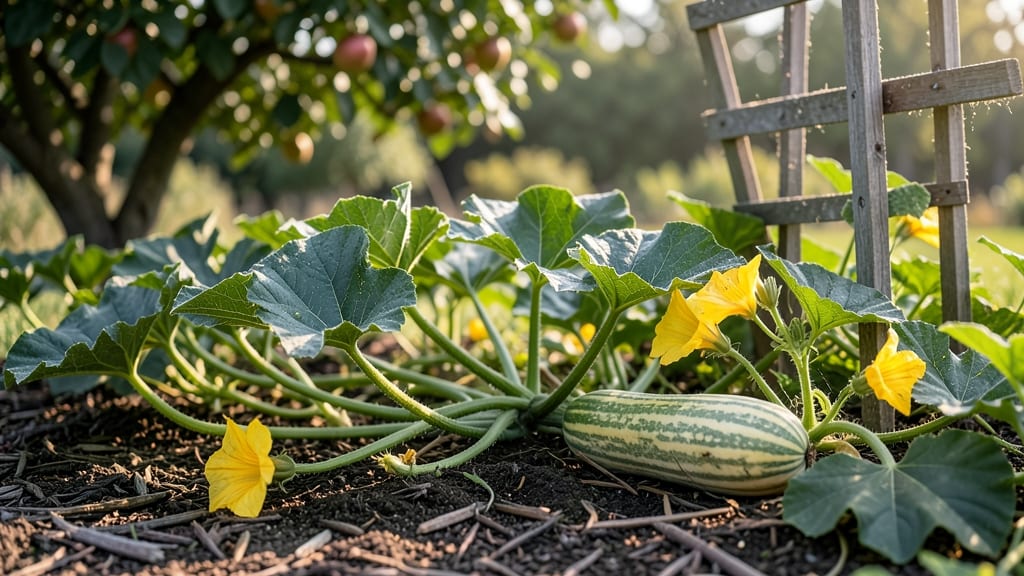
Growing large Delicata Squash 🎃 in just 50 days is easier than you think—and the payoff is sweet, nutritious fruit with edible skin.
Picture this: instead of waiting months for a harvest, you’re pulling 6-inch-long squash by late summer, their golden stripes gleaming under the sun. Varieties like 'Moonlight' and 'Sweet Cheese' are bred for speed and size, making them the perfect choice for impatient gardeners or small spaces.
But here’s the catch: soil, spacing, and watering must all align to coax those squash to their full potential. Skip the guesswork—this guide covers the exact steps to plant, nurture, and harvest bigger delicata squash, even in Zone 6a.
From seed to table in record time, we’ll tackle everything: soil prep, pest-proofing, and the one trick that doubles fruit size. Let’s get growing.
How to grow large delicata squash varieties from seed
Growing large delicata squash from seed is one of the fastest ways to enjoy homegrown produce. Varieties like 'Moonlight Delicata' and 'Sweet Cheese' mature in just 50-60 days, making them perfect for short seasons.
The key lies in proper seed starting, soil preparation, and spacing techniques to maximize growth potential.
Unlike traditional winter squash, delicata varieties thrive in warmer climates and produce edible-skinned fruit that’s sweeter and easier to prepare. Whether you're a beginner or experienced gardener, these steps will help you grow bigger, healthier squash with minimal effort.
Here’s your step-by-step guide to growing large delicata squash from seed, covering everything from soil prep to transplanting and beyond.
Use biodegradable pots filled with seed-starting mix to avoid transplant shock. Plant seeds 1 inch deep and keep soil 70-80°F for optimal germination, which takes 7-14 days.
Acclimate seedlings to outdoor conditions by placing them in partial shade for 2-3 hours daily, gradually increasing exposure. This prevents shock when transplanted into the garden.
Test soil pH (6.0-7.0) and amend with compost and 5-10-10 fertilizer. Delicata squash prefers loamy, well-draining soil rich in organic matter to support vigorous vine growth.
Choose a south-facing location with 6-8 hours of sunlight. Space plants 3-4 feet apart in rows 6 feet apart to allow vines to spread and reduce disease risk.
Keep soil consistently moist (1-2 inches per week) but avoid overwatering, which causes rot. Use drip irrigation or soaker hoses to deliver water directly to roots.
Apply 2-3 inches of straw or shredded leaves around plants to retain soil moisture and regulate temperature. Mulch also reduces pest access to young plants.
Once your delicata squash seedlings are established, focus on supporting vine growth and monitoring for pests. Large varieties like 'Sweet Cheese' can produce 3-5 squash per vine, so prune excess flowers to direct energy toward fewer, larger fruits.
For maximum yield, fertilize every 4-6 weeks with a balanced 10-10-10 fertilizer during the growing season. Stop fertilizing 4-6 weeks before harvest to allow flavors to concentrate.
Harvest your delicata squash when the skin is hard and deep-colored (green or golden, depending on variety) and the stem turns woody. Use a sharp knife to avoid damaging vines, leaving 1 inch of stem attached to preserve freshness.
With these steps, you’ll enjoy homegrown delicata squash in just 50-60 days—perfect for roasting, baking, or enjoying fresh. Happy gardening! 🎃
5 Key factors for bigger delicata squash harvests
Growing large delicata squash isn't just about patience—it's about precision. These varieties thrive when you optimize their environment, and the difference between 6-inch and 12-inch squash often comes down to a few strategic choices.
I’ve grown 'Moonlight' and 'Sweet Cheese' varieties for years, and these five factors consistently deliver the biggest, sweetest harvests. Let’s break down what works.
First, soil fertility sets the foundation. Delicata squash craves nutrient-rich soil with a pH between 6.0 and 7.0. Before planting, mix in aged compost or a balanced 10-10-10 fertilizer to ensure your plants have the energy to produce large fruit.
I always add a handful of worm castings for extra organic matter—it makes a noticeable difference in size and sweetness.
Consistent moisture is critical. Delicata squash needs 1-2 inches of water weekly, but avoid soggy soil—it causes rot. I water deeply in the morning to reduce evaporation and fungal risks. During fruit development, increase to 2 inches weekly to fuel growth.
Trellising isn’t just for vining plants—it works wonders for delicata squash. By training vines upward, you reduce disease risk (better airflow) and encourage larger fruit size. I use a simple cattle panel trellis or sturdy stakes. This method also makes harvesting easier and keeps squash off damp soil.
Avoid over-fertilizing—it leads to leafy growth at the expense of fruit. Instead, use a balanced 10-10-10 fertilizer every 4-6 weeks starting when flowers appear. I switch to a low-nitrogen formula (like 5-10-10) during fruit development to boost sweetness and size.
Squash bugs and cucumber beetles are the biggest threats. I prevent damage with row covers during early growth and handpick pests daily. For organic control, I spray neem oil weekly. A healthy plant with strong vines resists pests better—so prioritize trellising and fertilization to build resilience.
Don’t wait too long—overripe squash loses sweetness and becomes tough. Harvest when the skin is hard and deep-colored (green or golden, depending on variety) and the stem turns woody. I use pruning shears to cut stems cleanly, leaving a 1-inch stub to prevent rot.
Put these five factors together, and you’ll go from average-sized delicata squash to showstopping harvests in just a few seasons. The key is consistency—stick to your watering schedule, monitor pest activity, and adjust fertilization as your plants grow.
With these techniques, I’ve seen 'Moonlight' squash reach 14 inches long—and that’s with minimal fuss! 🌱