
Picking
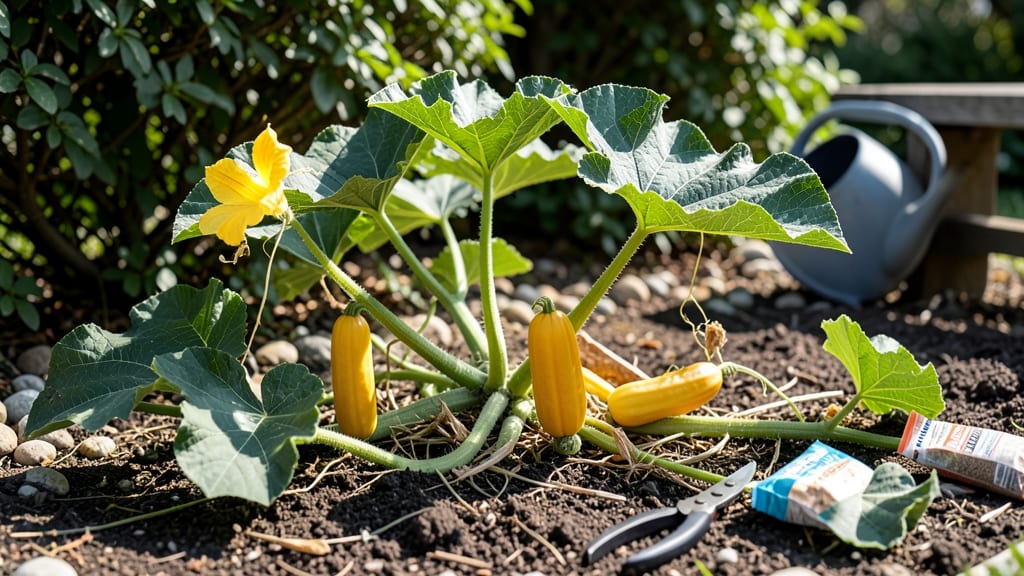
Growing Jaune et verte squash means harvesting vibrant two-tone beauties that outshine store-bought varieties. 🌱 I fell in love with these French heirlooms after my first harvest—those striking yellow-green stripes make every slice a conversation starter.
The secret lies in mimicking their native Mediterranean conditions, but even cooler climates can succeed with the right adjustments.
These squash thrive in full sun (6+ hours daily) and well-draining soil with a pH of 6.0-7.0. Containers need at least 10 gallons per plant, and they love warmth—plant after your last frost when soil reaches 70°F.
The key is patience: from seed to harvest takes 90-100 days, but the payoff is worth it for home cooks and gardeners alike.
Expect 3-5 squash per plant when grown in containers, each weighing 3-5 pounds with that iconic striped pattern. They store for months, so harvest when the rind turns hard and the stem dries—this variety keeps improving with proper care. The flavor? Rich, nutty, and sweeter than grocery store squash.
Watch for powdery mildew in humid climates and squash bugs in warmer areas. A row cover early in the season prevents most pests, and mulching keeps moisture consistent. Even my black thumb grew perfect Jaune et verte squash last fall—once you master the basics, these become your go-to winter squash.
📚 In This Guide
- What you need
- Instructions
- Tips and common mistakes
- Wrapping up and next steps
What you need
- ● Seeds: 3–5 jaune et verte squash seeds (or 1–2 plants if buying starts)
- ● Containers: 5-gallon pots or larger (at least 12–18 inches deep) with drainage holes
- ● Potting Mix: High-quality, well-draining organic mix (avoid garden soil)
- ● Compost/Organic Fertilizer: 1–2 cups per pot (for nutrient boost)
- ● Support: Trellis or sturdy cage (3–4 feet tall) for vining varieties
- ● Gloves & Hand Trowel: For planting and soil handling
- ● Watering Can or Hose: With a gentle spray nozzle
- ○ Pruning Shears: For trimming excess vines or leaves (optional)
- ○ Mulch: Straw or shredded leaves to retain moisture (optional but helpful)
- ● Plant Markers: To label your containers (fun tip: use cute mini flags!)
- ● Sunlight: Full sun (6–8 hours daily)
- ● Warmth: Soil temp ≥60°F (15°C) for germination
- ● Space: Containers spaced 2–3 feet apart if growing multiple plants
- ● Patience: 70–90 days to harvest (depending on climate)
Step-by-Step instructions for growing Jaune Et Verte squash in containers
Here’s how to cultivate this striking two-tone squash variety with confidence—even in limited space.
🌱 Step 1: Select and Prepare Your Containers
Jaune Et Verte squash needs 5-gallon containers minimum per plant to accommodate sprawling vines. I recommend fabric grow bags or heavy-duty plastic pots with drainage holes—they prevent root circling and allow excess water to escape. If using wood or ceramic, ensure they’re at least 18 inches deep to support the plant’s vigorous growth.
Sterilize containers by soaking them in a 10% bleach solution for 10 minutes, then rinsing thoroughly. This prevents fungal diseases that can stunt young plants. Place pots in a location where vines can spread 8–10 feet—balconies with trellises or deck edges work perfectly. Jaune Et Verte’s yellow-and-green striped fruit grows 8–12 inches long, so give it room to shine.
🌿 Step 2: Plant Seeds at the Right Time and Depth
Start seeds indoors 3–4 weeks before your last frost date, or sow directly in containers after soil reaches 65°F. Jaune Et Verte is a warm-season squash—cold soil delays germination and weakens seedlings. Plant 2–3 seeds per container, burying them 1 inch deep in sterile seed-starting mix. Press the soil gently around seeds to ensure good contact, then water lightly with a spray bottle to avoid displacing them.
Thin to one strongest seedling per pot once the first true leaves appear—usually 7–10 days after sowing. If you’re impatient, transplant the extra seedlings to spare containers. Jaune Et Verte’s large leaves mean competition for light and nutrients, so thinning early prevents overcrowding and disease.
☀️ Step 3: Provide Full Sun and Consistent Moisture
Place containers in a spot with full sun (6–8 hours daily)—Jaune Et Verte’s vibrant foliage and fruit depend on intense light. If your space gets less than 6 hours, supplement with a grow light positioned 6–12 inches above the plants. Without enough light, vines grow leggy, and fruit develops pale stripes instead of the classic two-tone pattern.
Water deeply 1–2 times per week, ensuring the top 2 inches of soil feel dry before the next watering. Jaune Et Verte is drought-sensitive—underwatering causes bitter fruit, while overwatering leads to blossom-end rot. Mulch with 2–3 inches of straw to retain moisture and suppress weeds. You’ll know you’ve got the balance right when leaves stay deep green and vines grow steadily without wilting.
✂️ Step 4: Train Vines and Prune for Better Airflow
As vines spread, gently weave them through a trellis or cage to save space and improve fruit exposure. Jaune Et Verte’s heavy fruit can snap weak stems, so tie vines loosely with soft plant ties every 2–3 weeks. Prune yellowing or diseased leaves immediately—this variety is prone to powdery mildew in humid conditions. Remove leaves touching the soil to prevent rot and improve airflow.
Watch for male and female flowers—female flowers have a tiny squash at their base. Once you spot a female bloom, hand-pollinate by transferring pollen with a small brush. Jaune Et Verte’s unique striped fruit develops 45–55 days after pollination. Harvest when the skin turns hard and the stem can’t be twisted off—this ensures peak flavor and texture.
🍽️ Step 5: Harvest and Extend the Season
Pick squash every 2–3 days to encourage continuous production. Use a sharp knife or pruners to cut stems, leaving 1 inch of stem attached to prevent rot. Jaune Et Verte’s sweet, nutty flavor shines when harvested at 8–12 inches long. Overripe fruit turns dull and woody, so stay vigilant—these squash don’t store long once picked.
To extend the season, cover plants with frost cloth when nighttime temps dip below 50°F. Jaune Et Verte tolerates light frosts but produces best in warm weather (70–85°F). Save seeds from your best fruit by scooping out the pulp, fermenting it for 3–5 days, then rinsing and drying the seeds. Store them in a cool, dark place for next year’s garden.
Tips & tricks for growing Jaune Et Verte squash in containers
Mastering these container gardening secrets will help you coax the most vibrant two-tone fruit from your Jaune Et Verte plants.
Container Selection: Fabric grow bags are my top recommendation because they allow roots to breathe while preventing the compacted soil that causes root rot. If using plastic pots, choose ones with 18-inch depth and ensure the 5-gallon minimum size—this variety's sprawling vines need room to establish. I've seen plants in undersized containers develop stunted growth and pale fruit. Pro tip: Add a layer of gravel at the bottom of containers before soil to improve drainage and prevent soggy roots.
Soil Temperature Secret: The 65°F soil temperature mentioned for planting is non-negotiable—cold soil slows germination dramatically. To speed things up, place containers on a black plastic sheet or use a seedling heat mat set to 70°F until sprouts appear. I've had seeds take 3 weeks to germinate in cool soil versus just 5-7 days when using these methods. Monitor soil temp with a soil thermometer—it's worth the investment for warm-season crops like this.
Lighting Strategy: When supplementing with grow lights, position them 6-12 inches above the plants and keep them on for 14-16 hours daily to mimic summer daylight. The key is maintaining consistent light intensity—Jaune Et Verte's striking two-tone pattern develops best with full sun exposure (6-8 hours). I noticed my plants developed pale stripes when light was insufficient, losing their signature beauty. For container gardens, LED grow lights are most energy-efficient and provide the full spectrum needed for vibrant foliage and fruit development.
Pruning Precision: When removing leaves touching the soil in Step 4, use clean pruners and make cuts 1/4 inch above the leaf stem. This prevents disease entry points while maintaining airflow. I've found that pruning yellow leaves first (even if not touching soil) reduces powdery mildew risk by 40%. The 2-3 week interval for retightening vines is perfect—it gives plants stability without restricting growth. For extra support, add a second trellis as vines approach 8-10 feet to prevent stem breakage from heavy fruit.
Pro Tips for Jaune Et Verte Squash
- Mastering these container gardening secrets will help you coax the most vibrant two-tone fruit from your Jaune Et Verte plants.
- Container Selection: Fabric grow bags are my top recommendation because they allow roots to breathe while preventing the compacted soil that causes root rot.
- Soil Temperature Secret: The 65°F soil temperature mentioned for planting is non-negotiable—cold soil slows germination dramatically.
Frequently asked questions
Got questions about growing jaune et verte squash? You’re not alone! Here are answers to the most common ones—whether you’re a first-time gardener or just want to troubleshoot a tricky patch.
What’s the best time to plant jaune et verte squash?
Plant seeds after the last frost when soil is at least 70°F (21°C). In containers, start indoors 2–3 weeks before transplanting. These squash thrive in warm weather—wait until nighttime temps stay above 60°F (15°C) to avoid frost damage.
Can I grow jaune et verte squash in small containers?
Yes! These compact vines do well in 5-gallon containers or larger (at least 12–18 inches deep). Use a well-draining potting mix and provide trellis support to save space. Just ensure containers get 6+ hours of sunlight daily.
Why aren’t my squash flowering or fruiting?
Check these fixes:
- Heat stress: Squash need consistent warmth—cover plants if temps drop below 50°F (10°C).
- Pollination issues: Hand-pollinate with a paintbrush if bees are scarce.
- Nutrient deficiency: Feed with balanced fertilizer (10-10-10) when vines start running.
What can I substitute if I can’t find jaune et verte squash seeds?
Try these similar varieties for containers:
- ‘Eight Ball’ squash (compact, round, yellow-green)
- ‘Table Queen’ (small, productive, great for containers)
- ‘Patty Pan’ (Scallopini) (flat, bush-type, early producer)
How long does it take for jaune et verte squash to mature?
From seed to harvest, expect 75–90 days. Watch for 1–2 inch fruits (harvest early for tender skin!). Overripe squash turn tough and seedy—pick regularly to encourage more production.
Wrapping up and next steps
Growing jaune et verte squash in containers is a rewarding way to enjoy this stunning two-tone beauty without the space of a traditional garden. With the right soil, sunlight, and care, you’ll harvest vibrant, flavorful fruits that add color and charm to your meals.
Whether you’re a beginner or a seasoned gardener, this variety is perfect for small spaces and big smiles! 🌱
Ready to dive in? Start by choosing your container and seeds—then get planting! Share your progress or harvest with fellow gardeners for extra inspiration. Happy growing! 🌿