
Picking
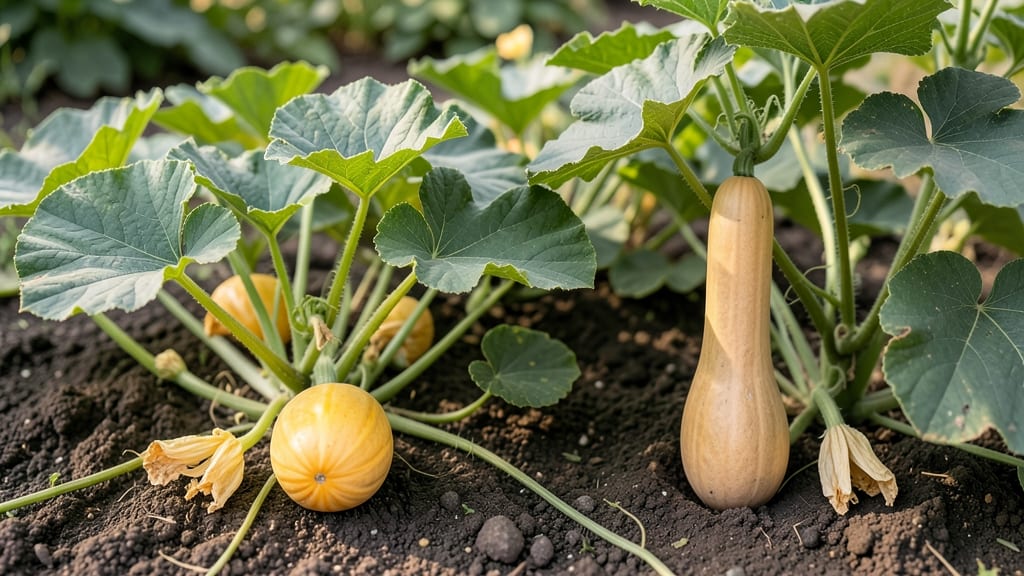
Growing buttercup vs butternut squash feels like choosing between two different gardening adventures—both delicious, but with completely different temperaments. 🌱 Buttercup squash grows on bushy vines and matures in just 80-90 days, while butternut squash climbs aggressively and takes 90-100 days to reach its sweet, nutty peak.
The choice isn't just about flavor; it's about how much space you have, how patient you are, and what you plan to do with your harvest.
Buttercup squash thrives in cooler climates and smaller gardens, producing compact plants that need only 3-4 feet of space. Its smaller size makes it perfect for containers or tight spots, and its thick skin lets it store for months without refrigeration.
Butternut, on the other hand, needs 5-6 feet of climbing room and warmer growing seasons to develop its signature long, tapered shape. It’s a bigger commitment, but the reward is a squash that’s sweeter and more versatile in the kitchen.
Here’s the kicker: buttercup squash handles pests better and resists rot longer, while butternut squash demands consistent moisture and richer soil to avoid woody, bitter flesh. If you’re short on space or want quick harvests, buttercup wins.
If you’re dreaming of that classic roasted squash flavor and have room to spare, butternut delivers in spades. Both are worth growing—just pick the one that fits your garden’s personality.
Pro tip: try both! Plant a few of each and compare the flavors, textures, and growing experiences. You might find yourself falling for one—or discovering a new favorite. The real victory is knowing which squash will thrive in your hands, not just in a recipe book.
The first product explained
Meet the buttercup squash—a vibrant, compact, and flavor-packed gem that’s stealing the spotlight in home gardens! 🌱✨ Known for its bright yellow-orange hue and sweet, nutty taste, this squash is a favorite among gardeners who love high-yielding, easy-to-grow produce.
Let’s dive into what makes buttercup squash a must-have in your garden.
📏 Specs & Features
- Scientific Name: Cucurbita pepo (same family as zucchini and acorn squash)
- Shape & Size: Rounded, slightly ribbed, and compact—typically weighing 2–4 lbs at maturity.
- Color: Bright yellow-orange with a smooth, bumpy skin.
- Flesh: Thick, dense, and sweet, with a texture similar to butternut squash but more tender.
- Growth Habit: Bush-type (no vining needed!), making it perfect for small gardens or containers.
- Days to Maturity: 85–100 days—a relatively quick harvest for squash lovers.
- Storage: Lasts 2–3 weeks at room temperature or up to 2 months in a cool, dark place.
🎯 Target Users
Buttercup squash is a dream for:
- 🌿 Small-space gardeners (patio, balcony, or raised beds—it thrives without sprawling vines!).
- 🍽️ Home cooks who love versatile squash for soups, roasting, or stuffing.
- 💪 Health-conscious eaters—it’s packed with vitamin A, vitamin C, and fiber!
- 🐝 Pollinator-friendly gardeners (its flowers attract bees and other beneficial insects).
💰 Price Point & Availability
While buttercup squash seeds are not as common as butternut seeds, they’re gaining popularity! Here’s the scoop:
- Seed Cost: Typically $2–$4 per packet (organic or heirloom varieties may cost slightly more).
- Where to Buy:
- Online seed retailers (e.g., Baker Creek Heirloom Seeds, Burpee)
- Local nurseries or garden centers (call ahead—supply varies!)
- Seed swaps or gardening communities (great for rare varieties!).
- Pro Tip: 💡 If you can’t find seeds, try growing Cucurbita pepo varieties like "Golden Delicious" or "Sweet Dumpling," which are buttercup lookalikes!
🌱 Why Gardeners Love It
Beyond its sweet flavor and compact size, buttercup squash is a low-maintenance superstar. It’s resistant to many pests, produces abundant fruit, and stores well—making it a year-round pantry staple. Plus, its vibrant color adds a pop to any dish!
The second product explained
Meet the butternut squash—the golden, nutty-flavored superstar that’s a staple in kitchens across America! 🌟 Known for its sweet, rich taste and versatility, this squash is a favorite among gardeners and chefs alike.
If you're looking for a squash that’s easy to grow, stores well, and delivers big flavor, butternut might just be your perfect match.
📏 Specs & Features
Butternut squash (Cucurbita moschata) is instantly recognizable with its:
- Shape: Long, tapered neck with a bulbous bottom (resembling a butternut—hence the name!).
- Color: Golden-orange rind that deepens as it ripens.
- Size: Typically 18–24 inches long, weighing 3–5 pounds.
- Flesh: Creamy, dense, and slightly fibrous with a sweet, nutty flavor.
- Seeds: Flat, white, and edible (though often roasted for snacks!).
🎯 Target Users
This squash is a crowd-pleaser for:
- Home gardeners who want a reliable, high-yield crop with minimal fuss.
- Chefs and home cooks craving a versatile ingredient for soups, roasts, and purees.
- Health-conscious eaters seeking a nutrient-packed veggie (high in vitamin A, C, and fiber!).
- Families who love long storage life—butternuts stay fresh for months when cured properly.
💰 Price Point & Value
Butternut squash is a budget-friendly choice, especially when grown at home! Here’s the breakdown:
| Option | Cost Range | Notes |
|---|---|---|
| Seeds (per pack) | $2–$5 | Yields 3–5 squash per plant; organic seeds cost more. |
| Seedlings (per plant) | $3–$8 | Faster start but pricier; check local nurseries for deals. |
| Store-bought (per squash) | $3–$10 | Prices vary by season; organic or heirloom varieties are pricier. |
Pro tip: 💡 Growing your own butternut squash saves money and guarantees freshness—plus, you’ll avoid the hassle of hauling heavy squash from the store!
Head-to-head comparison
🌱 Growth & Cultivation
When it comes to growing these squashes, the similarities are strong—but so are the key differences that could influence your garden layout and harvest expectations.
| Feature | Buttercup Squash | Butternut Squash |
|---|---|---|
| Vine Habit | Bush-type (compact, 3–4 ft wide). Ideal for small gardens or containers! | Vining (sprawling, 6–10 ft long). Needs space or trellising. |
| Maturity Time | 85–100 days to harvest. Faster than butternut! | 90–120 days to harvest. Patience required for full sweetness. |
| Cold Tolerance | More frost-resistant. Can handle cooler temps (down to 25°F). | Less frost-tolerant. Prefers warm soil (60°F+). |
| Yield per Plant | 3–5 squashes per plant. Great for small harvests! | 2–3 squashes per plant. Fewer but larger yields. |
| Best for | Urban gardens, containers, or early-season planting. | Long-season gardens, large harvests, or trellised spaces. |
🍽️ Flavor & Culinary Uses
Both squashes bring warmth to dishes, but their textures and sweetness levels differ—here’s how they stack up in the kitchen!
| Trait | Buttercup Squash | Butternut Squash |
|---|---|---|
| Sweetness | Milder, nuttier, and slightly earthy. Less sweet than butternut. | Sweeter, almost caramel-like. A crowd-pleaser! |
| Texture | Denser, drier flesh. Holds shape well when roasted. | Softer, creamier, and slightly stringy. Best for purees or soups. |
| Best Dishes |
|
|
| Storage Life | 3–4 months in a cool, dark place. Less prone to spoilage. | 2–3 months. More delicate—use or freeze sooner. |
💰 Cost & Availability
Your wallet and local market will thank you for knowing these squashes’ pricing and seasonality quirks!
| Factor | Buttercup Squash | Butternut Squash |
|---|---|---|
| Market Price (per lb) | $1.50–$3.00. Often pricier due to niche appeal. | $0.80–$2.00. More common = better value. |
| Peak Season | Late summer to early fall (August–October). | Fall to early winter (September–December). |
| Seed Cost | $2–$4 per packet. Less widely available. | $1–$3 per packet. Easy to find at seed stores. |
| Grower’s Tip |
💡 Pro Tip: Save seeds from your harvest! Buttercup squash seeds are easy to collect and replant. |
💡 Pro Tip: Buy organic butternut seeds to avoid GMOs—many conventional varieties are hybrid. |
🌿 Nutritional Showdown
Both squashes are nutritional powerhouses, but one might edge out the other depending on your dietary goals!
| Nutrient | Buttercup Squash (per 100g) | Butternut Squash (per 100g) |
|---|---|---|
| Calories | 34 kcal | 44 kcal |
| Vitamin A (Eye Health) | 4,800 IU (96% DV) | 3,600 IU (72% DV) |
| Vitamin C (Immunity) | 15 mg (17% DV) | 12 mg (13% DV) |
| Fiber (Digestion) | 2.6 g (10% DV) | 2.2 g (8% DV) |
| Potassium (Heart Health) | 220 mg (5% DV) | 250 mg (6% DV) |
| Winning Trait |
|
|
🔧 Pests & Diseases
Both squashes face similar threats, but their growth habits mean different vulnerabilities. Know what to watch for!
<
Which one should you choose?So, which squash should you grow in your garden this season? The choice between buttercup squash and butternut squash depends on your priorities—whether it’s flavor, yield, ease of growing, or versatility in the kitchen. Here’s a quick verdict to help you decide: 🌱 Pick Buttercup Squash If...
🍂 Pick Butternut Squash If...
🤝 Best of Both Worlds?If you’re torn, why not try both? Many gardeners plant a few rows of each to enjoy the flavor diversity and seasonal flexibility. For example:
Pro Tip: 🌱 If you’re new to growing squash, start with butternut—it’s more forgiving and productive. Once you’re hooked, experiment with buttercup for a gourmet twist! |
|---|