
Vegetables
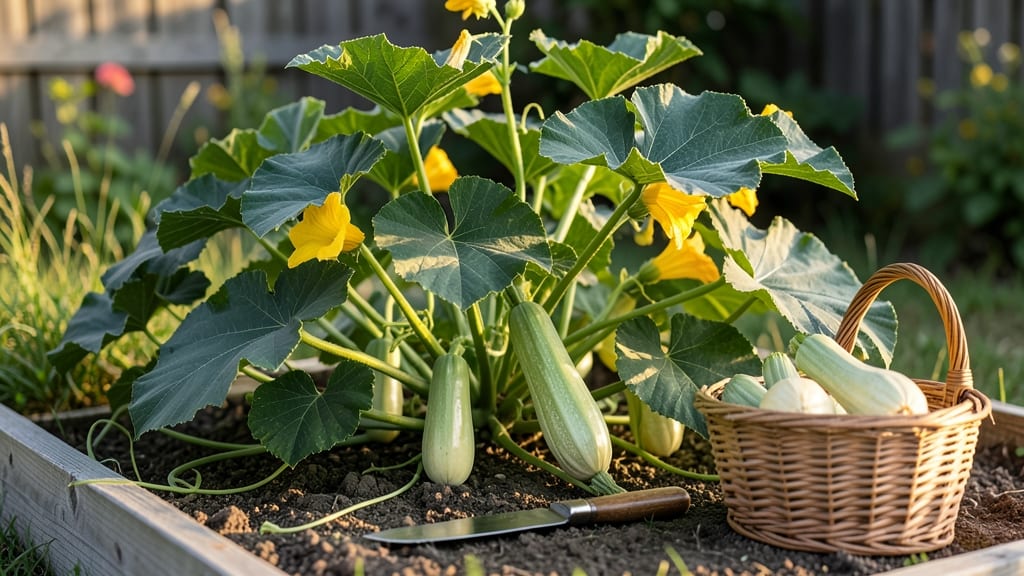
Is squash a starch or a vegetable? Squash is a vegetable, not a starch, though its flesh contains natural carbohydrates that function similarly to starches. It’s rich in fiber, vitamins, and minerals while remaining low in digestible carbs compared to starchy foods like potatoes or corn.
Botanically speaking, squash belongs to the Cucurbita genus, making it a fruit—but in culinary terms, it's treated as a vegetable. 🌱 The confusion comes from its soft, starchy texture when cooked, which can mimic root vegetables like potatoes.
However, squash delivers far fewer digestible carbs per serving, typically ranging from 6-10 grams per cup (cooked), compared to 20+ grams in potatoes. This lower carb count, combined with high fiber and vitamin A, makes it a better choice for balanced diets or low-carb meal plans.
What sets squash apart is its nutrient density. While it contains some carbohydrates, they're paired with beneficial fiber that slows digestion, preventing blood sugar spikes. For example, butternut squash offers 8 grams of fiber per cup—more than many starchy vegetables—while providing vitamin C and potassium.
This makes it a smarter swap for heavier starches in dishes like soups or roasted sides.
💡 In This Article
- Botanical Classification of Squash as a Vegetable
- Nutritional Comparison: Squash vs Starchy Vegetables
Botanical classification of squash as a vegetable
The botanical classification of squash lies in its status as a fruit—specifically, a berry—because it develops from a flower and contains seeds. 🌱 However, the Cucurbita genus (which includes butternut, acorn, and spaghetti squash) produces large, fleshy fruits that are rarely eaten raw.
Instead, they're cooked and used in savory dishes, earning them the culinary label of "vegetable." This distinction mirrors other botanical fruits like tomatoes or eggplants, which are also treated as vegetables in cooking.
What makes squash unique is its flesh composition: while it contains carbohydrates, these are primarily complex polysaccharides (like cellulose and pectin) rather than simple starches. 🥜 For example, butternut squash has about 22 grams of total carbs per cup, but only 4 grams are digestible sugars or starches, leaving the rest as fiber or non-digestible compounds.
Compare this to a potato, where nearly 25 grams of carbs per cup are digestible starches—showing why squash behaves more like a vegetable than a true starch source.
The confusion arises from squash's texture when cooked. Its flesh softens to a creamy, almost grainy consistency, similar to potatoes or yams. 🍠 This happens because the cell walls break down during cooking, releasing pectin and other soluble fibers that create a starchy mouthfeel.
Yet, unlike tubers, squash lacks the high amylopectin content that defines true starches. Its lower glycemic index (GI) of 50-60 (vs. potatoes at 70-90) further proves its vegetable classification.
Nutritionally, squash's fiber content plays a key role in its vegetable status.
A single cup of cooked butternut squash delivers 6-8 grams of fiber, which slows digestion and prevents blood sugar spikes. 🥕 This fiber-to-carb ratio is far higher than in starchy vegetables like corn (only 2 grams of fiber per cup) or white potatoes (3 grams).
The presence of vitamin A (in the form of beta-carotene), vitamin C, and potassium also aligns with vegetable profiles rather than starchy staples.
Even the squash's growth habit reinforces its vegetable classification.
Unlike root vegetables that store energy underground (like potatoes), squash grows above ground, storing nutrients in its rind and flesh. 🌿 This above-ground growth, combined with its seed-bearing structure, solidifies its botanical identity as a fruit—but its culinary and nutritional role as a vegetable remains undisputed.
For practical purposes, this classification matters in meal planning. Squash can replace starchy sides without the same carb impact, making it ideal for low-carb diets or balanced plates. 🥗 Its versatility—roasted, pureed, or spiralized—proves it's a vegetable in every sense except the botanical one.