
Picking
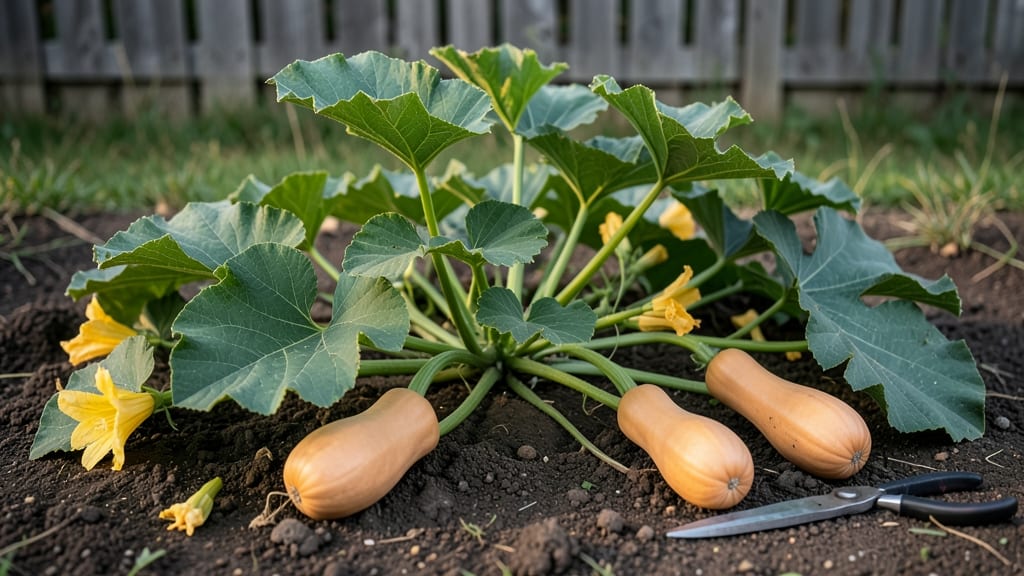
Is butternut squash a vegetable or starch? It's botanically a vegetable (technically a fruit from the gourd family), but its high starch content and sweet profile make it behave like a hearty starch in cooking and nutrition.
Butternut squash sits in a unique culinary gray area because its texture and flavor mimic starchy vegetables like potatoes or sweet potatoes. 🌟 The key difference lies in its nutritional profile—it contains about 25% carbohydrates (mostly starch) but also packs vitamins A and C in higher concentrations than many starchy sides.
This makes it a versatile ingredient that can replace potatoes in savory dishes or even star in sweet recipes like pies and muffins.
What's interesting is how its starch content behaves during cooking. When roasted or mashed, it develops a creamy, almost buttery texture that's closer to a potato than a leafy green. Yet its natural sweetness and fiber content give it a lighter, more vibrant quality compared to traditional starchy vegetables.
💡 In This Article
- Botanical Classification vs. Culinary Role of Butternut Squash
- Best Cooking Methods to Highlight Butternut Squash’s Versatility
Botanical classification vs. culinary role of butternut squash
Here's what's actually happening botanically: butternut squash is classified as a fruit—specifically, a berry—because it develops from the flower's ovary and contains seeds. However, in culinary terms, it's grouped with vegetables due to its savory taste and how we use it in meals.
This dual classification mirrors other gourd family members like zucchini and cucumbers, which are also botanically fruits but treated as vegetables in cooking.
The starch content is where things get interesting. A 1-cup serving of cooked butternut squash contains about 22 grams of carbohydrates, with roughly 15 grams being starch—similar to a medium potato (which has 16 grams of starch per 100 grams).
Yet butternut squash has 50% more vitamin A than potatoes and 3 times the vitamin C, giving it that vegetable-like nutritional punch. The key difference is its lower glycemic index (55 vs. potatoes at 85), making it a more balanced choice for blood sugar management.
What most people don't realize is how the cooking process transforms its starch structure. When roasted at 400°F, the cell walls break down, releasing natural sugars and creating that signature caramelized sweetness.
This is why butternut squash works as both a vegetable side (like mashed potatoes) and a dessert ingredient (like sweet potatoes in pies).
The fiber content (about 4 grams per cup) also plays a role—it slows digestion, preventing the rapid blood sugar spikes you'd get from pure starches.
Consider these key factors when classifying it:
- Botanical science: Fruit (berry type) from the Cucurbita genus, like pumpkins
- Nutritional profile: Starch-heavy but with vegetable-like vitamins/minerals
- Culinary function: Behaves like both vegetable and starch in recipes
- Texture comparison: Roasted flesh is denser than potatoes but creamier than zucchini
The sweetness comes from its natural sugar content (4% by weight), which increases when cooked—similar to how apples become sweeter when baked. This makes it particularly versatile for both savory dishes (think curried squash) and sweet applications (like squash risotto with brown sugar).
The starch granules in butternut squash are also smaller than in potatoes, which contributes to its smoother, more velvety texture when mashed.
For practical purposes, you can treat butternut squash as a hybrid: use it like a vegetable when you want color and nutrients, or like a starch when you need heartiness.
The best part? It brings both worlds together in one package—nutritional benefits of vegetables with the satisfying mouthfeel of starchy sides. 💫