
Picking
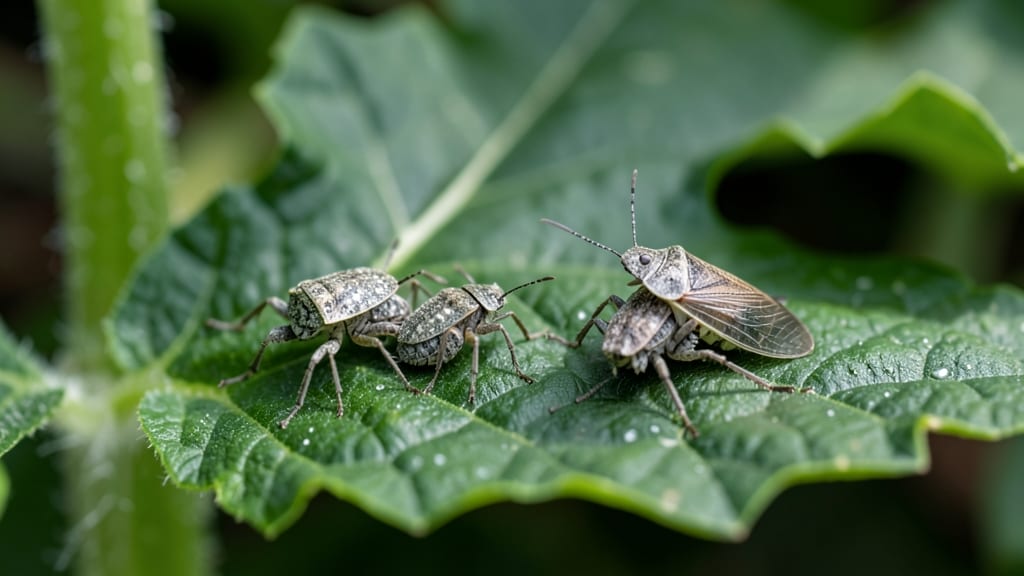
Spot those insects on squash too early, and your vines become a pest buffet—your harvest vanishes faster than you can say "zucchini bread." 🌿 I’ve battled these pests for years, and the key isn’t panic—it’s knowing exactly what to spray. when to act, and how to keep them off for good.
Most gardeners wait until their plants look like Swiss cheese before acting. But the real secret is prevention: row covers in early spring, handpicking eggs, and planting trap crops like nasturtiums to lure pests away.
Once they’re here, though, neem oil and insecticidal soap become your best friends—just mix, spray, and watch them retreat. By the end of this, you’ll spot the first signs of trouble (chewed leaves, sticky residue, or those telltale black eggs) and act before the damage spreads.
Your squash will stay lush, your vines will stay strong, and you’ll enjoy a bumper crop instead of a battle scar. Works for all summer and winter squash, whether you’re growing in the ground or containers. Let’s get those pests under control—before they ruin your dinner plans.
Root Causes of Squash Pests
Understanding why insects invade your squash plants is the first step to protecting your harvest. These critters don’t just appear randomly—they’re drawn by specific conditions your garden might be offering. Let’s break down the key reasons behind the infestation, so you can address the problem at its source.
Squash plants that are struggling—whether from poor soil, overcrowding, or disease—emit chemical signals that insects can detect. Stressed plants produce more sugars and volatile organic compounds (VOCs), which act like a dinner bell for pests like squash bugs, cucumber beetles, and aphids.
- Poor soil nutrition (low nitrogen, phosphorus, or potassium) weakens plants, making them easier targets.
- Overcrowded vines reduce airflow, creating damp conditions that attract fungal diseases (like powdery mildew) and the insects that feed on affected plants.
- Water stress (too much or too little) disrupts the plant’s natural defenses, leaving it vulnerable.
Actionable fix: 💡 Boost plant health with balanced fertilizer (like 10-10-10) and mulch to retain moisture and regulate soil temperature. Space plants 3–4 feet apart for better airflow.
Many squash pests thrive in warm, humid environments—the same conditions that also suit squash growth. When your garden becomes a pest paradise, insects multiply rapidly.
- Cucumber beetles love warm soil (above 60°F) and are most active in early summer, when squash is just sprouting.
- Squash vine borers prefer young, tender vines and are drawn to weedy or unkempt gardens where they can lay eggs undisturbed.
- Aphids and whiteflies flourish in shady, humid spots, especially if nearby weeds harbor their natural hosts.
Actionable fix: ✨ Rotate crops annually to disrupt pest life cycles, and remove garden debris (like old vines) in fall to eliminate overwintering sites. Use row covers early in the season to block beetles and borers.
Many squash pests don’t just target your crop—they also feed on weeds and wild plants in your garden. If these "alternative hosts" are present, they create a pest reservoir that constantly reinfects your squash.
- Squash bugs and stink bugs lay eggs on purslane, pigweed, and smartweed.
- Cucumber beetles also infest melons, pumpkins, and even marigolds.
- Aphids thrive on dandelions, clover, and milkweed, then migrate to squash when food runs low.
Actionable fix: 🔥 Pull weeds aggressively (especially in spring and fall) and monitor plant edges for early signs of pests. Consider interplanting with pest-repelling herbs like basil, dill, or thyme to confuse insects.
In a healthy ecosystem, beneficial insects (like ladybugs, lacewings, and parasitic wasps) keep pest populations in check. But if your garden lacks diverse plant life or shelter, these predators won’t stick around.
- Ladybugs eat aphids but need nectar-rich flowers (like alyssum or marigolds) to survive.
- Ground beetles control squash vine borers but require mulch and leaf litter for habitat.
- Braconid wasps parasitize tomato hornworms but avoid over-tidy gardens.
Actionable fix: 🌡️ Plant companion flowers (like nasturtiums, sunflowers, or cosmos) to attract predators. Avoid broad-spectrum pesticides, which kill both pests and their natural enemies.
Key Takeaway: By addressing plant health, garden hygiene, and ecological balance, you can make your squash less appealing—and more resilient—to insects. The next step? Targeted solutions to evict unwelcome visitors!
Fixing Squash Pests Naturally
Now that you know what’s munching on your squash, let’s tackle those pesky critters with effective, eco-friendly solutions that won’t harm your plants—or your conscience. Below, we’ve matched common squash invaders with practical fixes, from quick remedies to long-term prevention. Grab your spray bottle and let’s get to work!
Cause: Piercing-sucking pests that leave yellowing leaves and sticky honeydew. Fix:
- 🔥 Handpick & Destroy: Check undersides of leaves for adults and nymphs. Drop them into soapy water—no mercy!
- 🍳 Diatomaceous Earth (DE): Sprinkle food-grade DE around the base of plants. It dehydrates bugs on contact (reapply after rain).
- 👨🍳 Homemade Spray: Mix 1 tsp dish soap + 1 tsp neem oil + 1 quart water. Spray early morning/evening to avoid harming bees.
- 🥘 Row Covers: Use lightweight fabric covers to block adults before they lay eggs.
💡 Pro Tip: Plant marigolds or catnip nearby—their strong scent repels squash bugs naturally!
Cause: Striped or spotted beetles that chew leaves and spread bacterial wilt. Fix:
- 🔪 Yellow Sticky Traps: Hang traps near plants to catch adults before they lay eggs.
- 🌱 Crop Rotation: Avoid planting squash, cucumbers, or melons in the same spot for 3 years to break the beetle life cycle.
- 🥘 Kaolin Clay: Mix 1 tbsp kaolin clay + 1 gallon water, stir well, and spray on foliage. The clay coats beetles, blocking their feeding.
- 🌡️ Early Planting: Start seeds indoors and transplant after the last frost when beetles are less active.
✨ Bonus: Interplant with radishes or nasturtiums—beetles prefer these over squash!
Cause: Larvae burrow into stems, causing wilting and plant death. Fix:
- 🥘 Collar Barriers: Wrap cardboard collars (3–4 inches tall) around stems at planting. Larvae can’t chew through them!
- 🔪 Early Detection: Check for sawdust-like frass near the base of stems. Cut open stems to remove larvae.
- 🌱 Healthy Soil: Boost beneficial nematodes (like Steinernema carpocapsae) in the soil—they hunt borer larvae.
- 🌡️ Timing Matters: Plant after the last frost to avoid attracting adult moths.
🎯 Prevention Hack: Choose resistant varieties like ‘Butternut’ or ‘Delicata’—they’re less appealing to borers.
Cause: Tiny sap-suckers that weaken plants and attract ants. Fix:
- 🔥 Strong Water Spray: Blast aphids off leaves with a hose (early morning) to knock them off.
- 🍳 Soap Spray: Use 1 tsp castile soap + 1 quart water. Spray directly on pests (avoid flowers to protect pollinators).
- 👨🍳 Introduce Predators: Ladybugs, lacewings, and parasitic wasps love aphids. Buy them online or attract them with dill or fennel.
- 🥘 Yellow Sticky Cards: Hang near plants to trap whiteflies.
💡 Quick Fix: Crushed garlic spray (1 chopped garlic clove + 1 quart water, steep 24 hours) deters aphids with its pungent smell.
- 🌱 Healthy Plants = Strong Defense: Ensure 6+ hours of sunlight, well-draining soil, and regular watering (avoid overhead watering at night).
- 🌿 Companion Planting: Grow basil, thyme, or garlic near squash—they repel pests naturally.
- 🌱 Rotate Crops: Never plant squash in the same spot two years in a row to starve pest populations.
- 🔍 Inspect Regularly: Check undersides of leaves, stems, and fruits every 2–3 days for early signs of trouble.
- 🌡️ Mulch Smartly: Use straw or grass clippings to deter crawling pests and retain moisture.
Remember: Consistency is key! Check plants daily, act fast at the first sign of pests, and combine methods for the best results. With these strategies, your squash will thrive—pest-free and delicious! 🎉🍠
Frequently asked questions
What are the most common insects that attack squash plants?
The top culprits include squash bugs (flat, gray-brown shield-shaped insects), cucumber beetles (striped or spotted yellow-green beetles), aphids (tiny green/black clusters), and squash vine borers (larvae that tunnel into stems). These pests target leaves, stems, and fruits, causing wilting, holes, or bacterial wilt.
How do I know if my squash plants have an infestation?
Watch for chewed leaves, sticky honeydew (aphid residue), yellowing vines, or sawdust-like frass near stems (vine borers). Check undersides of leaves daily—early signs include tiny eggs or adult insects hiding there. Act fast if you spot these red flags!
Can I use neem oil on squash plants?
Yes! Mix 1 tsp neem oil + 1 tsp dish soap + 1 quart water and spray on leaves (avoid flowers to protect pollinators). Apply in the early morning or evening for best results. Reapply every 7–10 days or after rain. It disrupts pests’ life cycles but is safe for plants.
Will row covers work for all squash pests?
Row covers block cucumber beetles, squash bugs, and vine borers but won’t stop aphids or whiteflies that fly through mesh. Use them early in the season (remove when flowers appear to allow pollination). For aphids, combine covers with soapy water sprays for full protection.
What’s the best way to remove squash vine borers?
Cut open wilted stems to find white larvae (about 1-inch long) and drop them in soapy water. For prevention, wrap cardboard collars around stems at planting or use beneficial nematodes in the soil. Borers are most active in late spring/early summer—monitor closely!