
Featured
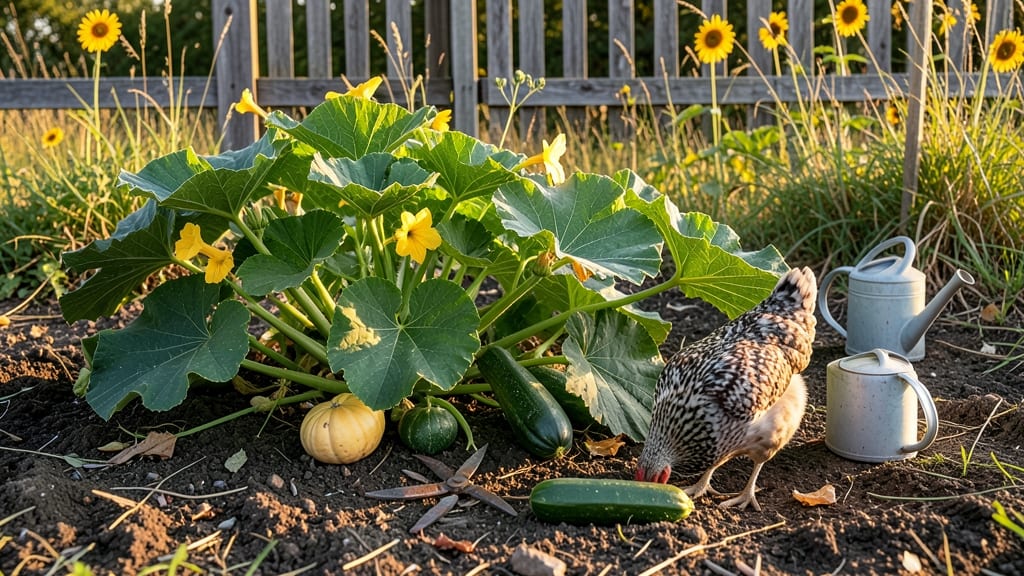
Yes, chickens can eat squash safely, including zucchini, butternut, and pumpkin, as long as it’s fresh and free from spoilage. Limit seeds and rinds to prevent digestive blockages or upset, and always discard any moldy or rotting pieces to avoid illness.
Squash makes a nutritious treat for chickens, packed with fiber, vitamins A and C, and hydration—perfect for keeping your flock healthy during warm months. 🌿 I’ve found that summer squash like zucchini is especially popular, while winter varieties such as butternut add a hearty energy boost.
The key is moderation: too much can lead to loose stools, and hard seeds or thick rinds may cause digestive discomfort. Always chop squash into bite-sized pieces for easier pecking and digestion.
For best results, serve squash raw or lightly cooked to preserve its nutrients. Scatter small portions on the ground as a snack or mix finely chopped pieces into their feed. Avoid feeding squash that’s been treated with pesticides or wilted, as these can harm your chickens.
When in doubt, stick to organic, fresh produce and watch for any signs of digestive upset after introducing new foods.
💡 In This Article
- Safe Squash Varieties for Chickens and Their Nutritional Benefits
- How to Feed Squash to Chickens Without Risking Health Problems
Safe squash varieties for chickens and their nutritional benefits
Chickens can safely enjoy a variety of squash, but the type matters—summer squash like zucchini and yellow squash are ideal due to their soft texture and high water content (about 95%). These varieties are easy to digest and provide essential hydration, especially during hot weather.
Winter squash such as butternut or acorn are also safe but should be fed in moderation because their denser flesh contains more concentrated sugars (5-10 grams per 100 grams) that can upset digestion if overfed.
The nutritional benefits of squash for chickens are impressive. Zucchini, for example, is rich in vitamin A (about 270 IU per 100 grams) and vitamin C, which boosts immunity and supports feather health.
Butternut squash offers a good dose of fiber (3 grams per 100 grams) to aid digestion, while pumpkin provides beta-carotene for vibrant egg yolks. The key is balance—too much fiber can cause loose stools, so think of squash as a supplement, not a staple.
Hard seeds and thick rinds are the biggest risks, as they can cause blockages or digestive discomfort. For instance, pumpkin seeds contain 20-30% fat and hard shells that chickens struggle to break down. Always remove seeds and peel tough skins before serving.
Even then, limit squash to 10-15% of their diet to avoid nutritional imbalances. 🌱 Overfeeding can lead to weight gain or diarrhea, so monitor their response after introducing new treats.
Texture plays a role too—raw squash is best for hydration, but lightly steamed or roasted pieces (cooled completely) can make tougher varieties like spaghetti squash more palatable. Chickens love the soft, sweet flavor of cooked squash, but avoid seasoning it with salt, spices, or oils, which can harm them.
The natural sweetness is enough to entice even picky eaters!
One variety to approach with caution is spaghetti squash. While chickens can eat it, its stringy texture is difficult for them to process, and the seeds are particularly hard. If you offer it, mash it thoroughly or serve it as a small, occasional treat.
Always observe your flock after feeding new foods—changes in droppings or lethargy are red flags to stop immediately.