
How To
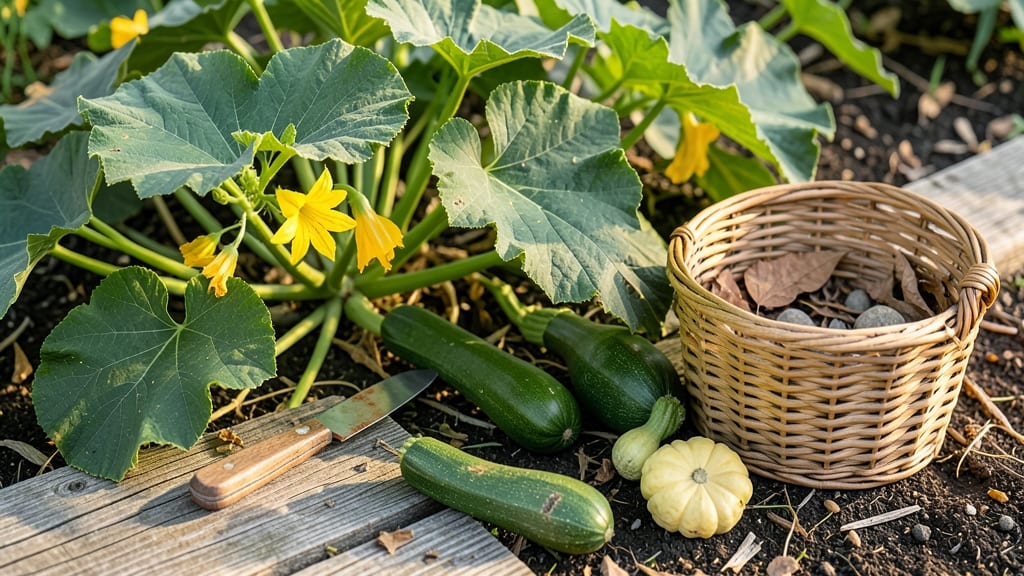
To tell when summer squash 🎃 is ripe, you don’t need a ruler or a calendar—just your fingers and eyes to spot three key signs most gardeners miss.
Picking summer squash at the perfect moment means the difference between a tender, flavorful meal and a tough, watery disappointment—yet most gardeners struggle to master this simple skill.
Here’s the secret: ripe summer squash should yield slightly when pressed (like a ripe avocado), measure 6-8 inches in length, and have a stem that snaps cleanly when bent. Skip the guesswork and learn the three tactile tests that reveal true ripeness before the color even changes.
Inside, you’ll discover how to avoid the most common mistakes—like harvesting too late or too early—and when to pick for the best storage or cooking results.
3 Tactile tests to identify perfectly ripe summer squash
Summer squash like zucchini or yellow crookneck ripen quickly, and relying on color alone can lead to missed harvests or overripe produce. The secret lies in three simple tactile tests that reveal true ripeness—skin firmness, seed development, and stem separation.
These methods work for all summer squash varieties, from green pattypan to white bush, and ensure you pick at peak tenderness.
I’ve learned the hard way that waiting for the "perfect" color can mean the difference between a delicate, flavorful squash and one that’s seedy, tough, or bitter. The good news?
These tests take seconds and require no special tools—just your hands and a little practice. Let’s break down each method so you can confidently harvest summer squash at its prime.
- 1 Skin Firmness Test: Press your thumbnail into the squash’s skin. If it leaves a slight dent that springs back (like pressing a ripe peach), it’s ready. A hard squash needs more time; a mushy one is overripe.
- 2 Seed Development: Cut open the blossom end (where the stem meets the squash). If the seeds are tiny and soft (like a grain of rice), harvest now. Larger, harder seeds mean the squash has passed its prime and will be seedy or bitter.
- 3 Stem Separation: Gently twist the squash at the stem. If it snaps cleanly (like a dry twig), it’s ripe. A squash that resists or pulls away from the vine needs more time. This is my favorite test—it’s foolproof and saves you from cutting into unripe squash!
Pro tip: Combine all three tests for the most accurate results. For example, a zucchini might feel slightly soft but still have hard seeds—this means it’s overripe.
Conversely, a firm squash with tiny seeds is perfect. These tests work especially well for heirloom varieties, which often have less predictable ripening patterns than hybrids.
One common mistake I see is assuming all summer squash should be harvested at the same size. Zucchini and yellow squash typically reach 6–8 inches at peak ripeness, but patypan squash (with their scalloped shape) are best when 4–6 inches wide.
Always check the variety’s guidelines, but trust your fingers first—they’re more reliable than a tape measure!
Harvesting at the right time isn’t just about flavor—it’s about encouraging more production. Summer squash plants produce continuously, but overripe squash signal the plant to stop flowering.
By using these tactile tests, you’ll keep your plants productive all season long and avoid the dreaded "squash explosion" (yes, that’s a real gardener term for when your plants suddenly burst with fruit!).
For storage tips, harvest in the morning when squash is cool and firm. Store them in a paper bag in the fridge for up to a week—the bag slows moisture loss and keeps them fresh.
If you’re not sure whether a squash is ripe, err on the side of harvesting it early. Summer squash continue ripening slightly after picking, so even a marginally ripe one will improve overnight.
Remember, the skin’s texture is your best friend. A ripe summer squash should feel smooth but slightly yielding, like a ripe avocado. If it feels leathery or rubbery, it’s past its prime. With practice, these tests become second nature, and you’ll never waste another squash again!
Why color alone fails: the hidden signs of overripe or underripe squash
Most gardeners assume green skin means ripe summer squash—but this common myth leads to tough, seedy disappointments. Color varies by variety (zucchini stays green, yellow squash turns golden), and overripe squash can turn dull or spotted. True ripeness hides in texture, weight, and even sound—clues your eyes miss.
I’ve harvested hundreds of squash and learned the hard way: underripe squash lacks flavor, while overripe becomes stringy and bitter. The secret? Three tactile tests—skin firmness, seed development, and stem separation—that reveal ripeness before color fades. Let’s compare zucchini vs. yellow squash to master these cues.
| Sign | Zucchini (Green) | Yellow Squash | Overripe Warning |
|---|---|---|---|
| Skin Texture | Smooth, firm but yields slightly to pressure | Slightly bumpy, tender when ripe | Skin turns dull, leathery |
| Weight | Heavy for size (dense flesh) | Feels solid, not hollow | Lightens as flesh turns watery |
| Stem Separation | Stem snaps cleanly when twisted | Separates easily with slight pressure | Stem rots or clings stubbornly |
| Sound Test | Thump sounds solid when tapped | Hollow thud = underripe | Muffled thud = overripe |
| Seed Development | Pea-sized seeds (edible) | Seeds soft, barely visible | Seeds hard, large |
For zucchini, aim for 6-8 inches with bright green skin and no blemishes. Yellow squash should reach 4-6 inches and turn golden yellow, but never wait for full color—texture matters more. Pro tip: Harvest in morning when skin is coolest for accurate tests.
Overripe squash loses flavor fast. Look for wrinkled skin, soft spots, or seeds larger than a pea. These squash are past their prime and best used in soups or compost. Underripe squash, meanwhile, stays hard and pale, with hollow thuds when tapped.
Next time you check your squash, skip the color guesswork and use these three tactile tests. Your flavorful harvests will thank you—and so will your dinner guests! 🎃