
How To
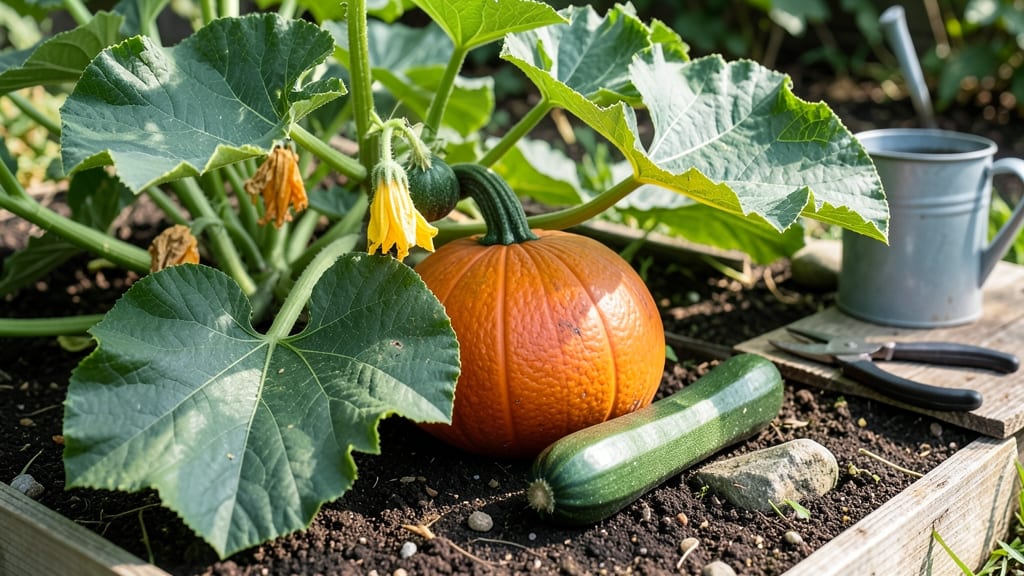
3 Tactile tests to determine squash ripeness before harvesting
Harvesting squash at the right moment transforms a simple garden task into a rewarding experience—juicy zucchini, sweet butternut squash, and perfect pumpkins all start with knowing exactly when to pick. The key lies in your hands: tactile tests reveal ripeness better than any calendar or rule of thumb.
Whether you're growing zucchini or acorn squash, these three simple checks will help you avoid mushy disappointments and overripe waste.
Summer squash like yellow squash and zucchini need to be harvested young, while winter varieties such as butternut and pumpkins require full maturity. The difference? Your fingers will tell you everything.
No fancy tools needed—just observe, touch, and trust your instincts. Let’s break down the three foolproof tests that will change how you harvest forever.
- 1 Firmness Test: Press your thumb gently into the squash skin. If it doesn’t dent and feels slightly resistant, it’s ready. For summer squash, aim for firmness but not hardness—think of a ripe avocado, not a rock. Winter squash should feel hard enough to resist your fingernail when pressed.
- 2 Color Uniformity: Run your fingers over the squash’s surface. A ripe squash will have a consistent color with no green patches (for summer squash) or uneven shading (for winter squash). For zucchini, look for a deep, matte green or golden hue. For butternut squash, the skin should be a rich tan with no green streaks.
- 3 Stem Condition: Gently twist the stem where it meets the squash. If it snaps cleanly or feels slightly dry and woody, the squash is ready. For pumpkins, the stem should separate easily from the vine. Avoid picking if the stem is still green and flexible—this means the squash needs more time.
Start with the firmness test—this is your first line of defense against underripe squash. A squash that gives way under gentle pressure is still maturing. For example, a zucchini that feels soft like a sponge won’t have the crisp texture you crave in stir-fries or grilled dishes.
On the flip side, a squash that’s rock-hard might be overripe, especially if it’s a summer variety meant for early harvests.
Next, use your fingers to check for color uniformity. Hold the squash up to the light and run your hand along its surface. Patchy colors or lingering green streaks (common in butternut squash) mean it’s not ready.
For yellow squash, the color should be vibrant and even—no dull spots. This test is especially critical for winter squash, which often changes color as it ripens. A fully ripe acorn squash will have a deep, consistent hue, while an underripe one might look pale or splotchy.
The stem condition is often the most telling sign, especially for pumpkins and winter squash. Twist the stem gently—if it resists and feels dry, your squash is ready. For summer squash, the stem might not snap cleanly but will feel slightly woody.
If the stem is still green and flexible, leave the squash on the vine for another day or two. This test is non-negotiable for storage squash like butternut, as an underripe harvest won’t sweeten properly off the vine.
Pro tip: Harvest in the morning when squash are cool and firm. Heat during the day can make them softer, giving false signals about ripeness.
Always use a sharp knife or pruners to cut the stem—never pull or twist the squash off the vine, as this can damage the plant and reduce future yields. For zucchini and yellow squash, frequent harvesting (every 2-3 days) encourages more production, so check your plants daily.
One common mistake is waiting too long for summer squash to ripen. These varieties are best picked young and tender. If you ignore the tactile tests and let them grow too large, they’ll become seedy, tough, and less flavorful.
For winter squash, the opposite is true—you need to wait for full maturity to develop their signature sweetness and texture. Pay attention to the stem drying and skin hardness, as these are your best indicators for long-storage varieties.
Finally, trust your senses. If a squash passes all three tests but still looks or feels "off," your intuition is usually right. Squash ripeness is as much about touch and sight as it is about time.
With practice, you’ll develop a sixth sense for the perfect moment to harvest—one that ensures your squash is bursting with flavor and ready for the kitchen or pantry.
Now that you’ve mastered the tactile tests, you’re ready to harvest squash like a pro. The next time you’re in your garden, reach out and feel—your hands will guide you to the perfect squash every time. Happy harvesting! 🎃
Summer vs. winter squash: key differences in picking signals
Summer squash like zucchini and yellow squash need quick harvesting—often within 50 days—while winter types such as butternut or acorn mature fully on the vine. The biggest difference? Texture and color cues shift dramatically between these groups.
Summer squash should be tender-skinned and harvested young, while winter squash hardens as it ripens for long-term storage.
For summer squash, focus on size (6–8 inches long) and a smooth, glossy skin. These varieties are best picked before seeds turn hard, or they’ll become woody and tough.
Winter squash, however, develop a thick rind and deep, uniform color—signs they’re ready to cure and store for months.
| Signal | Summer Squash (e.g., Zucchini) | Winter Squash (e.g., Butternut) |
|---|---|---|
| Skin Texture | Tender, easy to pierce with fingernail | Hard, difficult to dent (thick rind) |
| Color | Bright, uniform (green/yellow) | Deep, matte (orange, tan, or green) |
| Stem Condition | Still fresh, may wilt slightly | Dry, woody, and shriveled |
| Size | 6–8 inches long | Full mature size (varies by type) |
| Seed Stage | Soft, pea-sized | Hard, fully developed |
Another key difference lies in the stem. With summer squash, the stem remains plump and green—harvest before it dries out. For winter squash, wait until the stem shrivels and turns brown, signaling full maturity.
This drying process is essential for winter squash to develop their storage potential.
Pro tip: Gently press the squash near the stem. Summer types should yield slightly under pressure, while winter squash should feel rock-hard. Overripe summer squash turns seedy and bitter, while winter squash can split if left too long on the vine. Timing is everything!
Finally, check the weight. Ready-to-pick squash—whether summer or winter—feels heavy for its size. This indicates high water content and peak flavor. For winter squash, this also means they’re curing-ready, a critical step for long-term storage.
Mastering these cues ensures you’ll harvest at peak flavor and avoid waste. Whether you’re growing zucchini for quick meals or butternut squash for winter storage, these signals are your garden’s secret to success. 🎃