
How To
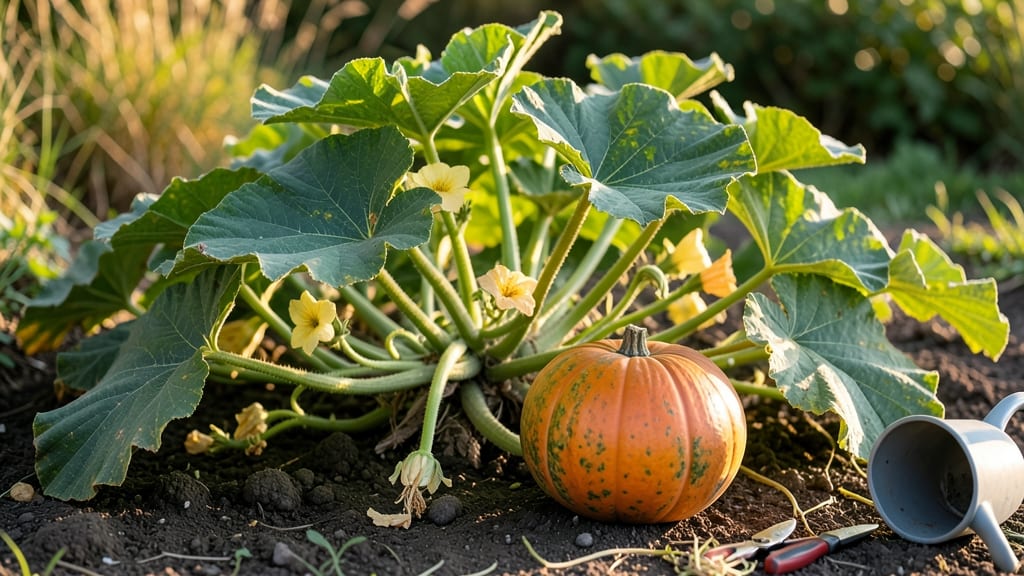
Telling if a kabocha squash 🎃 is ripe means checking its skin, stem, and weight—three simple tests that save you from a bland harvest.
Picture this: you’ve spent months nurturing your plants, and now the moment of truth arrives. One wrong pick and you’re left with squash that’s either too hard or mealy. The good news? These 3 tactile checks take just 30 seconds and guarantee a perfect harvest every time.
Most gardeners focus on color alone, but the real clues lie in the squash’s texture and how it feels in your hand. A ripe kabocha should have a skin that’s firm to the touch, a stem that’s dried and browned, and a weight that feels surprisingly heavy for its size.
Below, I’ll walk you through each test step by step, so you can confidently harvest your squash at its peak—when it’s sweeter, denser, and packed with flavor.
3 Tactile tests to check kabocha squash ripeness before harvest
Harvesting your kabocha squash at the perfect moment means the difference between a sweet, flavorful harvest and a bland or mealy one. Unlike some fruits, you can't rely solely on color—these squash need a hands-on approach.
The good news? You don't need any special tools. Just your fingers, eyes, and a little patience to perform these three tactile tests that reveal ripeness without cutting into your squash.
I've learned through years of gardening that overripe kabocha develops a woody texture, while underripe squash lacks sweetness. The secret lies in combining visual cues with physical tests.
By mastering these methods, you'll know exactly when to harvest for that perfect balance of sweetness and firmness that makes kabocha so special in dishes like tempura or curries.
Here's how to apply these practical ripeness tests in your garden—no guesswork required:
Press your thumb near the stem attachment point. A ripe kabocha will have a dry, papery stem that feels brittle. The squash itself should resist gentle pressure—like pressing your fingernail into an apple.
Look for a deep, even color—typically pale green turning to cream, tan, or golden. Press your fingertip into the skin: if it springs back slowly (not instantly), it's ripe. Avoid squash with uneven patches or soft spots.
A ripe kabocha feels heavy for its size—like a well-filled water balloon. Lift it gently: if it's surprisingly dense, it's ready. Compare it to unripe squash, which feels lighter and hollow when picked up.
When I first started growing kabocha, I made the mistake of harvesting based on color alone. I ended up with squash that was still firm but lacked sweetness. The stem test became my game-changer—it's the most reliable indicator because it shows the plant's internal signals.
A dry stem means the squash has stopped growing and is ready for harvest.
The skin color change is often the most obvious sign, but don't trust it completely. Some varieties maintain their green hue even when ripe, while others develop beautiful golden tones.
That's why combining this with the other tests ensures accuracy. I always check the skin first, then verify with the stem and weight tests for confirmation.
Don't overlook the weight test—this one often catches gardeners off guard. A fully mature kabocha should feel surprisingly heavy in your hands. This weight comes from the concentrated sugars developing inside as it ripens. If your squash feels light, give it another week or two before testing again.
Pro tip: Harvest on a dry morning after the dew has evaporated. Wet squash can give false readings during the tactile tests, especially when checking skin firmness. I've learned this the hard way—harvesting after rain led me to pick underripe squash that needed extra time to ripen indoors.
Remember, kabocha squash continues to ripen after harvest, but only up to a point. Once fully ripe, they won't improve much more. That's why these tests are crucial—they help you time your harvest perfectly for maximum flavor and texture.
With practice, you'll develop an instinct for when your kabocha is ready to pick.
Now that you know how to test ripeness, your next challenge is storing these beauties properly. A ripe kabocha can last for months in cool, dry conditions—just don't refrigerate them until you're ready to use them.
The secret to long-term storage lies in keeping them in a well-ventilated, dry place at around 50-55°F.
How to avoid common mistakes when harvesting kabocha squash
Harvesting kabocha squash at the wrong time can turn your culinary masterpiece into a mushy disappointment. Many gardeners make the mistake of picking too early for sweeter flavor or too late for optimal texture.
Even after harvest, improper storage can shorten shelf life dramatically. Let’s break down the critical errors and how to avoid them.
One of the biggest mistakes is harvesting based on calendar dates rather than visual cues. Kabocha squash varieties mature at different rates—some take 75 days, others up to 120 days.
Relying on days-to-maturity alone means you might end up with underripe squash or overripe fruit that’s past its prime.
⚠️ WARNING: Common Harvesting Mistakes ⚠️
Picking too soon results in watery flesh and poor flavor. Check for a hard rind that resists fingernail pressure—if it dents easily, wait 3-5 more days.
⚠️ Overripe SquashSquash left too long on the vine develop soft spots or shriveled skin. Harvest immediately if the stem turns completely brown and brittle, but the flesh may still be grainy.
⚠️ Storage ErrorsStoring kabocha in humid conditions or direct sunlight causes rot. Cure squash in a dry, shaded spot for 7-10 days before storing in a cool, dark place (50-55°F).
Another frequent error is cutting the stem too short when harvesting. Leave a 1-inch stem stub attached—this helps the squash heal and prevents rot during storage. Use a clean, sharp knife or pruners to avoid damaging the fruit.
If you’re harvesting multiple squash, prioritize the largest, heaviest ones first, as they’re usually the most mature.
Even after proper harvesting, many gardeners overlook the curing process, which hardens the skin and extends shelf life. Place squash in a warm (80-85°F), dry location for 7-10 days, turning them occasionally.
Skip curing only if you plan to cook the squash immediately—uncured kabocha stores for 2-3 weeks, while cured squash lasts 3-6 months.
Finally, resist the urge to harvest all your squash at once. Spread out your harvest by picking every 2-3 days during peak season. This ensures you get the best flavor and prevents overloading your storage space with simultaneously ripening squash.
A well-timed harvest means sweeter, firmer squash that’s ready for your favorite recipes.
By avoiding these common mistakes, you’ll enjoy peak-flavor kabocha that’s perfect for soups, roasting, or baking. Happy harvesting! 🎃