
Picking
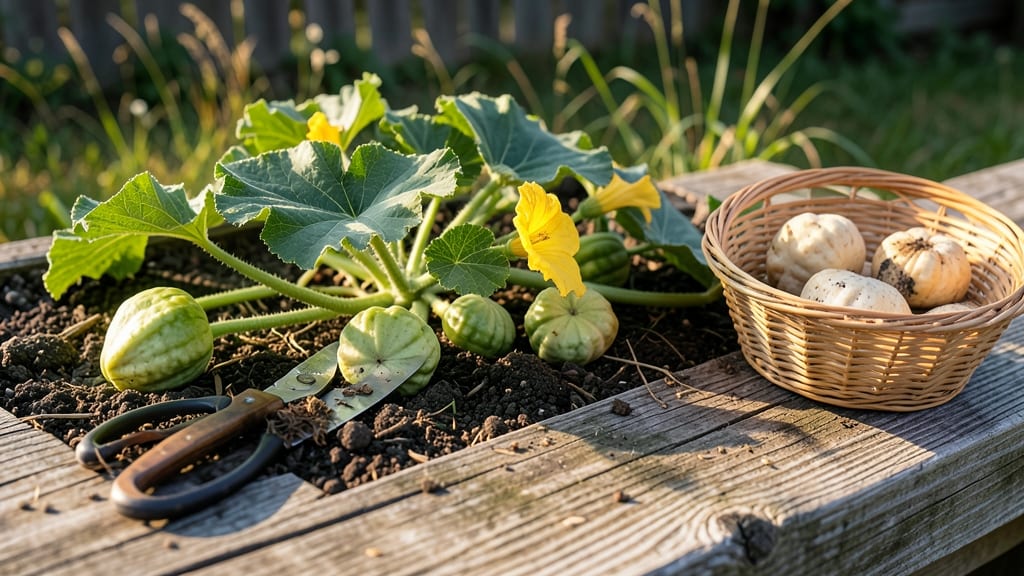
Storing patty pan squash wrong turns crisp, sweet flesh into a mushy mess in days. 🌿 I’ve watched harvests go from perfect to sad in just 48 hours—until I learned the exact conditions these delicate squash need to stay tender for weeks.
The secret? Humidity, temperature, and a little prep work before they even hit the fridge.
First, let’s talk timing: harvest patty pans when their rims turn golden and stems soften—never when they’re still rock-hard. Rinse gently (but don’t soak), pat completely dry, and let them cure in a warm, dry spot for 2-3 hours.
This skin-hardening step keeps them from rotting faster. Store them in a single layer—never stacked—to prevent bruising from their soft centers.
For short-term storage (up to 1 week), keep them at room temperature in a paper bag with a few air holes. For longer freshness (up to 2 weeks), refrigerate in a ventilated container with a damp paper towel to maintain humidity.
The texture stays crisp, and the flavor? Still vibrant. Check weekly for soft spots—they’re your spoilage warning sign.
Pro tip: If you’ve got more than you can use, blanch and freeze them whole (peeled or unpeeled) for up to 6 months. The texture changes, but the sweetness stays. Now go enjoy that harvest without the waste—your future self will thank you.
📚 In This Guide
- What you need
- Instructions
- Tips and common mistakes
- Wrapping up and next steps
What you need
- ● Patty pan squash: Fresh, unwashed, and preferably uncut (whole squashes last longer!). Aim for 1–2 squashes per storage attempt.
- ● Paper towels or clean kitchen cloth: 1–2 sheets to pat dry the squash (moisture is the enemy!).
- ● Plastic bag (resealable): 1–2 medium-sized bags (avoid thick, airtight bags—ventilation is key!).
- ○ Perforated produce bag (optional but ideal): 1 bag with small holes (if you want extra breathability).
- ● Cool, dark storage space: A pantry, fridge crisper drawer, or basement (avoid direct sunlight or warm spots!).
- ● Sharp knife (if prepping): 1 small chef’s knife for trimming stems or cutting (if storing cut pieces).
- ● Silica gel packets: 1–2 packets to absorb excess moisture inside the bag.
- ● Wooden crate or breathable container: For whole squashes (if storing long-term in a cool, dry place).
- ● Aluminum foil (lightly wrapped):
- ● Food-safe marker: To label bags with the storage date (because who remembers otherwise?).
Step-by-step guide to storing patty pan squash for maximum freshness
Preserve that garden-fresh crunch for weeks with these proven storage techniques.
🌿 Step 1: Cure the Squash Before Storage
Patty pan squash needs a 2-3 day curing period at room temperature (around 70-75°F) to develop its full sweetness and crisp texture. Place whole, unwashed squash on a wire rack or paper towel-lined tray in a dry, well-ventilated spot. This drying process thickens the skin, preventing moisture loss during storage.
Turn squash once daily to ensure even curing. You'll know it's ready when the stem end feels slightly tougher and the skin loses its glossy sheen. Avoid washing before curing—moisture trapped under the skin promotes rot. Real talk: Skipping this step means softer, shorter-lived squash that goes mushy in days.
🪴 Step 2: Choose the Right Storage Container
Use a single-layer plastic container with ventilation holes (like a produce keeper) or a paper bag with a few air holes punched in. Line the container with a paper towel—this absorbs excess moisture while allowing airflow. Patty pans store best in small batches (no more than 4 squash per container) to prevent ethylene gas buildup, which accelerates spoilage.
For longer storage, consider wax paper-lined cardboard boxes with 1-2 inch spacing between squash. The key is circulation: Stagnant air creates condensation, leading to mold. I like to place a small silica gel packet in the container to absorb any residual moisture—this keeps squash crisp for 3-4 weeks instead of just 1.
☀️ Step 3: Optimize Temperature and Humidity
Store patty pan squash in the crisping drawer of your refrigerator (usually the highest humidity setting, around 90-95% RH). The ideal temperature range is 32-40°F—any warmer and the texture softens prematurely. Check your fridge's humidity settings: Most modern models have a "vegetable" setting that mimics a root cellar environment.
If your fridge lacks a crisping drawer, place squash in a sealed plastic bag with a few ice cubes (not touching the squash) to maintain cool, humid conditions. Test for proper storage by touching a squash after 7 days: It should feel firm with no soft spots. If you detect even the slightest give, move it to the freezer immediately—it's starting to break down.
⏰ Step 4: Monitor and Rotate Weekly
Inspect stored squash every 7 days for signs of spoilage: Shriveled skin, dark spots, or a musty smell mean it's time to use or compost. Remove any affected squash immediately to prevent cross-contamination. I keep a small sharpie and label near my storage containers to track the date—this ensures I use the oldest squash first (FIFO method).
Rotate squash quarter-turn weekly so all sides receive even air exposure. Uneven airflow causes some areas to dry out while others remain damp, creating the perfect conditions for mold. For squash stored in paper bags, fold the top closed after each inspection to maintain humidity without sealing in ethylene gas. This simple habit extends storage life by 10-15%.
✂️ Step 5: Prepare for Long-Term Freezing (Optional)
If squash shows signs of softening before you can use it, freeze it whole for up to 6 months. Wash, dry thoroughly, and place in a single layer on a baking sheet before transferring to a freezer bag. The flash-freezing method prevents cells from rupturing, preserving texture. When ready to use, thaw overnight in the fridge—never at room temperature, or you'll lose crispness.
For cooked applications, peel, slice, and blanch squash in boiling water for 2 minutes before freezing in 1-cup portions. This method works best for soups or casseroles where texture isn't critical. Here's the thing—freshly stored patty pan squash always wins for roasting or sautéing, but knowing you can freeze extras means less waste and more flavor year-round.
Tips & tricks for storing patty pan squash like a pro
Here's what nobody tells you about maximizing that garden-fresh crunch for weeks.
Curing is Non-Negotiable: That 2-3 day curing period at 70-75°F isn't optional—it's where the magic happens. The skin thickens and develops natural resistant compounds that fight moisture loss. I learned this the hard way after storing un-cured squash that turned mushy in just 5 days. Place your squash on a wire rack (never directly on a surface) to allow airflow on all sides. The stem end should feel noticeably firmer after curing—this is your quality control check.
Container Selection Matters: Ventilation is everything when storing patty pan squash. I've tried sealed containers before, and within a week, condensation formed inside, leading to mold. Opt for containers with holes or use paper bags with punched holes instead. For extra protection against ethylene gas, add a small apple wood chip to your container—it naturally absorbs the gas that causes premature spoilage. This simple addition can extend your squash's life by an extra week.
Temperature Troubleshooting: Your fridge's crisping drawer should be set to 32-40°F, but here's the thing—most home fridges don't maintain perfect conditions. If your squash feels soft after 7 days, check the temperature with a fridge thermometer. Many models have hot spots near the back or top. I keep mine on the middle shelf where temperatures remain most stable. For extra insurance, place a small fan on low near the produce drawer to maintain consistent airflow.
Freezing Hack for Cooked Applications: While fresh is always best, you can preserve patty pan squash for soups and casseroles by blanching slices in boiling water for exactly 2 minutes (as mentioned in Step 5). The key is to immediately shock them in ice water to stop cooking. Drain well and package in 1-cup portions with a sprinkle of salt to prevent clumping. These frozen portions will maintain their texture for up to 6 months—perfect for when you're craving that autumnal flavor in winter.
Pro Tips for Store Patty Pan Squash
- Here's what nobody tells you about maximizing that garden-fresh crunch for weeks.
- Curing is Non-Negotiable: That 2-3 day curing period at 70-75°F isn't optional—it's where the magic happens.
- Container Selection Matters: Ventilation is everything when storing patty pan squash.
Frequently asked questions
about storing patty pan squash—because even the best squash needs a little TLC!How long does patty pan squash last in the fridge?
With proper storage, patty pan squash stays fresh for 1–2 weeks in the fridge. For longer shelf life, store it in a paper bag in the crisper drawer—this mimics its natural environment and slows moisture loss. If you notice wilting or soft spots, it’s time to cook it up!
Can you store patty pan squash at room temperature?
Yes, but only for 1–3 days in a cool, dry place (like a pantry). Avoid warm spots or direct sunlight, as these speed up spoilage. For best texture and flavor, though, refrigeration is the gold standard. Think of it like a squash “time capsule”—keep it cold to preserve crispness!
What’s the best way to revive wilted patty pan squash?
If your squash looks sad but isn’t mushy, try this: Soak in ice water for 10–15 minutes, then pat dry. This plumps it up! For stubborn wilting, a light spritz of water before storing can help. Pro tip: Use it in soups or stews—wilting is less noticeable when cooked!
Is it safe to store patty pan squash with other veggies?
Patty pan squash releases ethylene gas (a ripening agent), so store it away from ethylene-sensitive veggies like leafy greens or cucumbers. Keep it with apples, tomatoes, or onions to slow spoilage. Just avoid sealing it in airtight containers—it needs a little airflow!
Can you freeze patty pan squash for later?
Freezing isn’t ideal for raw squash (texture gets mushy), but you can blanch and freeze cooked patty pan squash for up to 8 months. Here’s how:
- Cook until tender (roast or boil).
- Cool completely, then pack into freezer bags.
- Label with the date!
Wrapping up and next steps
Storing patty pan squash the right way keeps its crisp texture and vibrant flavor for weeks—no more sad, limp squash!
Whether you’re prepping for meals or saving leftovers, proper air circulation, moisture control, and container choices are your secret weapons. 🌟 Now that you’ve mastered the art, why not put your skills to the test?
👉 Next step: Grab a fresh batch of patty pan squash, pick your favorite recipe (roasted, sautéed, or stuffed?), and store it like a pro before diving in. Happy cooking—and may your squash stay crispy longer! 🥒✨