
How To
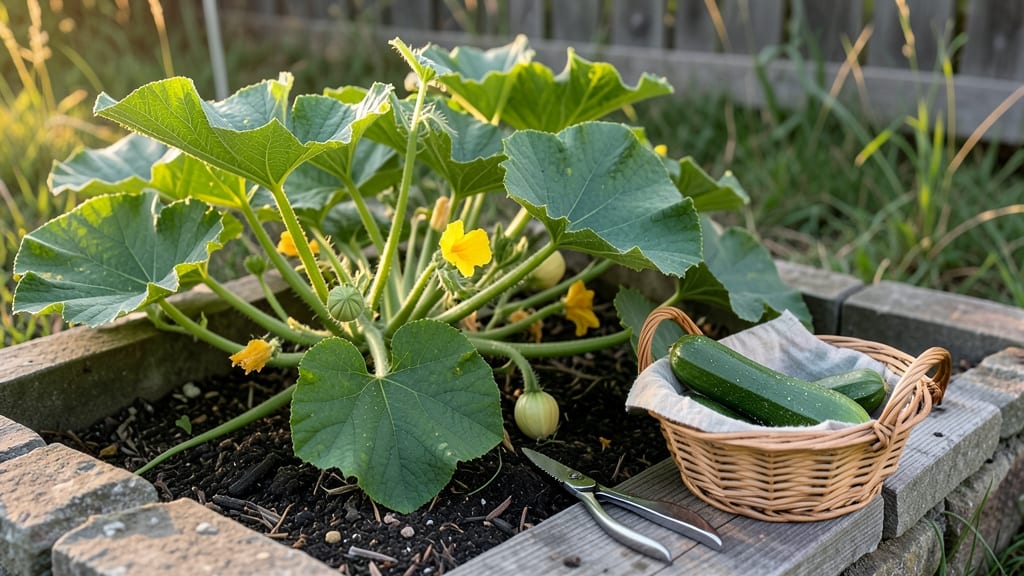
Knowing when to harvest your 🎃 squash is all about reading three key signs—skin texture, stem firmness, and size—that tell you the perfect moment to pick for the best flavor and texture.
Picking squash at the wrong time can mean the difference between a tender, flavorful meal and a tough, seedy disappointment—so how do you know when your vines are ready?
Summer squash like zucchini need to be harvested when they’re still young and tender, while winter varieties such as butternut or pumpkins should be left on the vine longer to develop a hard rind and deep color.
Below, I’ll walk you through the exact visual and tactile cues to look for, plus how to avoid common mistakes that turn your harvest into a culinary gamble.
3 Visual signs your squash is perfectly ripe for harvesting
There's nothing worse than biting into an overripe squash with tough skin and seedy flesh—or worse, missing the perfect harvest window entirely. The good news? Squash gives you clear visual cues when it's time to pick, and knowing these 3 key signs will transform your harvest success.
Whether you're growing zucchini, butternut, or pumpkins, these indicators apply across the board with just a few variety-specific tweaks.
First, let's address the most common mistake: assuming size equals ripeness. A squash can look big but still be underripe, or small but perfectly ready. Instead, focus on these 3 foolproof visual checks that work for every type of squash.
I’ve grown squash for over a decade, and these signs have never failed me—once I learned to look for them!
🎃 Visual Cue #1: Skin Color Transformation is your first clue. Young squash often start with a bright, glossy sheen, but as they mature, the skin dulls and deepens in color. For zucchini, this means shifting from green to a matte, darker green. Butternut squash goes from pale beige to a rich, golden tan, while pumpkins develop a deep orange or yellow hue. Pro tip: Check the skin near the stem—this area often changes color first.
| Squash Type | Ripe Skin Color | Unripe Skin Color | Stem Condition | Size Range |
|---|---|---|---|---|
| Zucchini | Dull, dark green | Bright, glossy green | Dries and hardens | 6-8 inches |
| Butternut | Golden tan | Pale beige | Hardens and shrinks | 10-12 inches |
| Pumpkin | Deep orange/yellow | Light green/orange | Dries to papery texture | 8-12 inches (varies) |
| Acorn | Dull, speckled | Bright green | Shrivels slightly | 3-5 inches |
The stem condition is your second critical clue. When squash is ripe, the stem where it connects to the vine will dry out and harden. For zucchini, this means the stem will feel woody and shriveled, almost like a dried-out pencil.
With butternut squash, the stem may pull away slightly from the fruit, and for pumpkins, it often turns brown and papery. If the stem is still green and flexible, your squash needs more time.
Here’s a trick I use: Gently twist the stem near the vine. If it snaps cleanly with a slight resistance, your squash is ready. If it bends or tears, it’s not quite there yet.
This works especially well for acorn squash, which often ripens faster than other varieties. I once missed a harvest because I ignored this sign—my acorn squash turned to mush overnight!
🎃 Visual Cue #3: Overall Size and Shape might seem obvious, but there’s a sweet spot for each squash type. Zucchini should be 6-8 inches long when harvested at peak flavor—any longer, and the seeds become noticeable. Butternut squash typically reaches 10-12 inches, while pumpkins vary widely but are usually 8-12 inches in diameter for standard varieties. Pay attention to the weight-to-size ratio too: a ripe squash feels heavy for its size.
One year, I let my butternut squash grow too large, thinking bigger was better. The result? Tough, stringy flesh and massive seeds that took forever to cook. Now, I harvest based on all three signs—color, stem, and size—and my squash always turns out perfect.
Even better, I can harvest smaller squash repeatedly from the same plant, extending my growing season.
Don’t forget to check for uniformity in color and shape. Uneven coloring or lopsided growth can signal nutrient deficiencies or poor pollination. If your squash
How to test squash ripeness with your fingers (and avoid overgrowth)
When your squash vines start producing fruit, it’s easy to get excited and check ripeness too soon—or worse, ignore it until the garden is overrun with oversized, tough squash. My secret weapon? A simple finger test that tells me exactly when to harvest.
This tactile method works for zucchini, butternut, acorn, and even pumpkins, and it’s foolproof once you know what to feel for.
Most gardeners rely on visual cues like skin color or fruit size, but these can be misleading, especially in cloudy weather or for heirloom varieties with unusual hues. That’s why I turn to my hands first—they give me the most accurate read on ripeness without any guesswork.
Let’s break down the three key finger tests I use every harvest season.
⚠️ Warning: Overripe Squash Ruins Flavor and Storage
If you wait too long, your summer squash (like zucchini) becomes woody and bitter, while winter squash (like butternut) loses sweetness and develops hollow centers. For pumpkins, overgrowth means seeds take over the flesh, leaving you with inedible pulp. Test ripeness every 2-3 days once fruit appears to avoid these pitfalls.
Start with the thump test, my go-to method for determining internal ripeness. Give the squash a gentle knock with your knuckles—like tapping a melon. If it sounds hollow and dull, it’s ready.
A thud or muffled sound means it needs more time. This works especially well for large winter squash where visual cues can be hard to judge.
Next, check the stem firmness. Run your thumb and forefinger along the stem where it connects to the fruit. A ripe squash will have a slightly dried, papery texture at the stem end.
If it’s still green and flexible, your squash isn’t ready yet. For zucchini, this test is crucial—they’re often harvested before the stem fully dries to keep them tender.
Don’t forget to peek inside! For winter squash varieties, gently press your fingernail into the skin. If it doesn’t puncture easily and the flesh beneath is firm but not rock-hard, it’s perfect.
For summer squash, look for small, underdeveloped seeds inside—if they’re larger than a peanut, you’ve waited too long.
Adjust your approach based on the squash type. Summer squash (like zucchini) should be harvested smaller and more frequently (6-8 inches long) to encourage more production, while winter squash (like butternut) can wait until fully mature for better storage life.
Keep a harvest journal to track what works best for your climate and varieties.
Pro tip: Harvest in the morning when squash is cool and firmest. Use a sharp knife or pruners to cut the stem, leaving a 1-inch attachment to the vine.
This prevents rot and keeps the plant producing. With these finger tests, you’ll never overlook a perfect squash again—just imagine the flavorful meals waiting for you! 🎃