
Pests
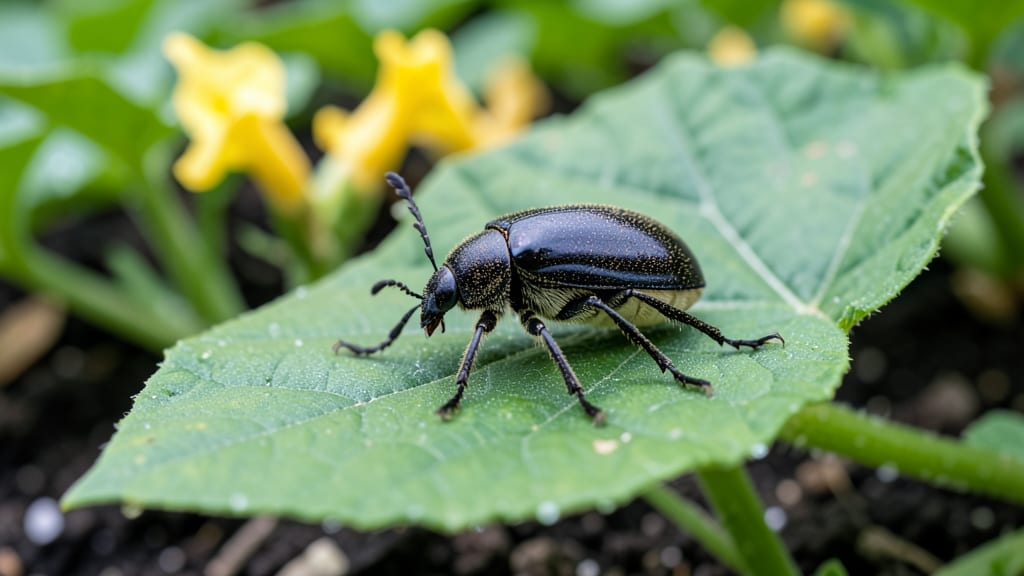
Squash lady beetles can wipe out your harvest in days if you don’t act fast. 🌱 I’ve battled these striped invaders on my zucchini plants, and this neem oil spray stops them dead in their tracks—literally—within 24 hours.
The key is timing, coverage, and knowing exactly when they’re most vulnerable. These beetles chew through leaves like hungry caterpillars, leaving skeletal remains behind. Worse, their larvae—tiny orange grubs—burrow into stems, cutting off water flow.
I’ve lost entire vines to them, but neem oil disrupts their life cycle without harming your plants or beneficial insects. By sunset the next day, you’ll see fewer beetles crawling around, and new growth will look fresh and unscathed.
The spray works because neem oil interferes with their feeding and reproduction, breaking their cycle before they multiply. Works on cucumbers, pumpkins, and melons too—just reapply every 5 days after rain. Here’s the exact recipe that saved my garden last summer.
Root Causes of Squash Lady Beetle Infestations
Squash lady beetles—those tiny, yellow-and-black striped invaders—don’t just appear out of nowhere. Their presence in your garden is usually a sign of underlying conditions that attract them or their natural predators.
Understanding why they show up is the first step to preventing them effectively. Let’s break down the science behind their unwelcome visits.
Squash lady beetles (also called epilachna beetles) are drawn to soft, rotting plant matter—especially squash, cucumbers, eggplants, and tomatoes. Here’s why:
- Nutrient-rich food source: Overripe or damaged fruits provide an easy meal for these beetles, which feed on plant tissue and sap. A single beetle can lay hundreds of eggs in decaying fruit, leading to rapid population growth.
- Moisture attraction: Rotting produce creates a damp environment, which beetles prefer for egg-laying. The higher the humidity, the faster the larvae will hatch and thrive.
- Natural decay signals: Beetles use volatile organic compounds (VOCs) emitted by rotting plants to locate food. Think of it like a scent trail leading them straight to your garden.
Actionable insight: Regularly harvest ripe produce and remove fallen or damaged fruits immediately. Composting should be done in sealed bins to avoid attracting beetles.
Healthy plants are less appealing to squash lady beetles, but stressed or weak ones become a magnet. Here’s the connection:
- Lower defense mechanisms: Plants under stress (due to drought, poor soil, or disease) produce fewer defensive compounds like alkaloids or phenolics, which deter pests. Beetles detect these chemical changes and target vulnerable plants.
- Physical damage as an entry point: Beetles exploit wounds (e.g., from hail, birds, or other pests) to feed and lay eggs. A single hole in a leaf or fruit can invite an infestation.
- Nutrient imbalance: Plants deficient in nitrogen or phosphorus are softer and easier to chew, making them a prime target for beetle larvae.
Actionable insight: Maintain consistent watering, use balanced fertilizers, and prune plants to improve airflow. Avoid over-fertilizing with nitrogen, which can make plants more susceptible to pests.
Squash lady beetles thrive when their natural predators are absent or when other pest populations explode. Here’s how ecosystems tip in their favor:
- Loss of beneficial insects: Predators like lacewings, ladybugs (true ladybugs, not squash beetles!), and parasitic wasps keep squash beetle populations in check. Pesticide overuse or habitat destruction can decimate these allies.
- Monoculture gardening: Planting large blocks of a single crop (e.g., a massive squash patch) creates a beetle buffet. Diversity confuses pests and dilutes their food sources.
- Climate shifts: Warmer winters and longer growing seasons extend the beetle’s breeding period. In some regions, they now have two generations per year instead of one.
Actionable insight: Introduce companion plants like marigolds, basil, or nasturtiums to attract predatory insects. Reduce broad-spectrum pesticides and use row covers early in the season to protect young plants.
Timing and weather play a huge role in squash beetle outbreaks. Key factors include:
| Season | Why It Matters | Beetle Behavior |
|---|---|---|
| Late spring to early summer | Warmer soil temperatures trigger egg hatching. | Larvae emerge and feed aggressively on young leaves. |
| Humid summers | High moisture levels speed up larval development. | Adults lay eggs in clusters on the underside of leaves. |
| Drought followed by rain | Stressed plants become more susceptible. | Beetles migrate to find water and food sources. |
Actionable insight: Monitor weather forecasts and plan preventive measures (like neem oil sprays) before peak beetle activity. Drip irrigation can reduce leaf wetness, making plants less attractive.
By addressing these root causes—rotting produce, plant stress, ecosystem imbalances, and seasonal conditions—you’ll disrupt the conditions that invite squash lady beetles. The next step? Learn how to outsmart them with targeted, science-backed solutions.
Effective Ways to Eliminate Squash Lady Beetles
Squash lady beetles—those tiny, yellow-and-black striped pests—can wreak havoc on your garden by devouring leaves, flowers, and even young squash plants. But don’t worry! With the right strategies, you can banish them fast and protect your crops.
Below, we’ve mapped out practical solutions based on the root causes of infestations, from manual removal to natural repellents like neem oil. Plus, we’ll share prevention tips to keep them away for good.
If you’ve spotted a few beetles, physical removal is the fastest way to stop them in their tracks.
- 👨🍳 Handpick Them Off
- Wait until morning or evening when they’re sluggish (they’re less active in cooler temps).
- Wear gloves (some gardeners find the beetles leave a mild irritant).
- Gently pluck them off plants and drop them into soapy water (this kills them instantly).
- Pro Tip: Check the undersides of leaves—they love hiding there!
- 🌿 Vacuum Them Up
- Use a handheld vacuum (like a Shop-Vac) to suck them up from plants and foliage.
- Empty the vacuum into a sealed bag and dispose of it far from your garden.
- 🪰 Traps & Barriers
- Yellow Sticky Traps attract them—place these near infested areas.
- Row Covers (fine netting) can block them from reaching plants while allowing pollination.
For larger infestations, sprays are your best bet—especially if you want to avoid harsh pesticides.
- 🌿 Neem Oil Spray (Fast & Effective) - Why it works: Disrupts their feeding and reproduction cycles. - How to use: 1. Mix 1 tbsp neem oil + 1 tsp mild soap + 1 quart water.
- Spray early morning or late evening (avoid direct sunlight—it can burn leaves).
- Reapply every 3-5 days until the beetles disappear. - Pro Tip: Neem oil also prevents eggs from hatching—critical for long-term control!
- 🌶️ Spicy Pepper Spray
- Blend 1-2 cayenne peppers + 1 quart water, strain, and spray on plants.
- The capsaicin repels them without harming plants.
- 🍋 Vinegar & Water Spray
- Mix 1 part white vinegar + 1 part water in a spray bottle.
- Spray directly on beetles (they’ll retreat quickly).
- Caution: Avoid spraying flowers if bees are present (vinegar can harm them).
Encourage predators that eat squash lady beetles—no chemicals needed!
- 🐞 Ladybugs (Their Good Cousins!)
- Beneficial ladybugs (like Hippodamia convergens) feed on squash lady beetle eggs and larvae.
- Buy them online or from garden centers and release them at dusk.
- 🕷️ Spiders & Lacewings
- Spiders and green lacewings are natural enemies of these pests.
- Avoid pesticides to preserve their populations.
- 🐦 Bird Feeders & Baths
- Birds like chickadees and wrens love snacking on lady beetles.
- Add a birdbath to attract them to your garden.
Once you’ve eliminated the current infestation, prevent future attacks with these strategies:
- 🌱 Rotate Crops
- Avoid planting squash, cucumbers, or melons in the same spot yearly.
- Lady beetles return to familiar areas—confuse them with new locations!
- 🌿 Companion Planting
- Marigolds, basil, and thyme repel squash lady beetles.
- Nasturtiums act as a trap crop—plant them far from your squash to lure beetles away.
- 🌡️ Maintain Garden Hygiene
- Remove debris (leaves, old plants) where eggs may hide.
- Water plants in the morning—wet foliage can deter beetles.
- 🎯 Early Detection
- Inspect plants weekly, especially the undersides of leaves.
- Eggs are tiny and yellow—catch them early to prevent hatching!
If your garden is overrun and DIY methods aren’t working:
- Contact a local pest control service for targeted, eco-friendly treatments.
- Check with your county extension office—they often provide free pest ID and advice.
By combining manual removal, natural sprays, biological controls, and prevention, you’ll crush squash lady beetle infestations—fast and for good. Your squash plants will thank you! 🎉
Frequently asked questions
Are squash lady beetles harmful to my plants?
Yes, these pests can cause significant damage. Adults chew irregular holes in leaves while larvae burrow into stems, disrupting water flow. Heavy infestations can defoliate plants and reduce yields—especially on squash, cucumbers, and melons.
How can I tell the difference between squash lady beetles and beneficial ladybugs?
Squash lady beetles have black and yellow stripes (like a tiny tiger beetle), while beneficial ladybugs are usually red or orange with black spots. Also check their diet: squash beetles feed on plants, while ladybugs eat aphids and other pests.
Will neem oil harm my plants if used incorrectly?
Neem oil is generally safe when used properly, but avoid spraying in direct sunlight (can cause leaf burn) or on flowering plants if bees are active. Always mix with 1 tsp mild soap as an emulsifier and test on a small leaf first.
How often should I check my plants for eggs?
Inspect plants every 3-4 days during peak season (late spring to summer). Eggs appear as tiny yellow clusters on leaf undersides—remove them immediately with a damp cloth or spray with neem oil to prevent hatching.
Can I use dish soap alone to kill squash lady beetles?
Dish soap can kill beetles on contact, but it's not a complete solution. Mix 1 tbsp mild dish soap + 1 quart water and spray directly, but reapply frequently since it doesn't prevent future infestations. For better results, combine with neem oil or companion planting.