
Planting
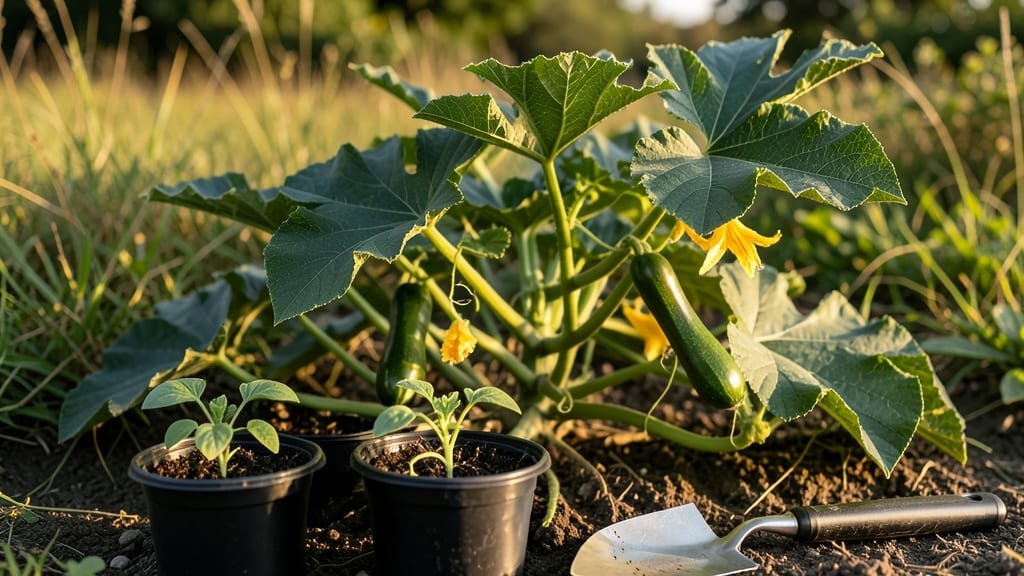
Squash plants thrive when given room to grow, but their spacing needs vary dramatically based on type. Bush varieties stay compact, making them ideal for smaller gardens or container growing, while vining types like butternut or spaghetti squash spread aggressively, needing extra space to prevent overcrowding. 🌱 I’ve found that proper spacing isn’t just about yield—it’s also critical for airflow, which drastically reduces the risk of fungal diseases like powdery mildew.
For example, a 3-foot spacing for bush types might feel generous, but it’s essential for keeping leaves dry and preventing rot.
If you’re working with limited space, consider trellising vining varieties or opting for bush types like zucchini or pattypan. This approach saves room while still delivering abundant harvests. Just remember: squash plants are heavy feeders, so their roots need space to explore for nutrients.
Skimping on spacing can lead to stunted growth, fewer fruits, and a higher chance of pests taking hold.
💡 In This Article
- Why Proper Squash Spacing Prevents Disease and Boosts Yield
- Optimal Planting Layouts for Squash in Gardens and Containers
Why proper squash spacing prevents disease and boosts yield
The science behind squash spacing starts with airflow—a critical factor in preventing fungal diseases like powdery mildew. Bush varieties, such as zucchini or pattypan, grow in compact mounds with leaves that stay close to the ground.
When planted too closely (2 feet apart), leaves overlap and create humid microclimates where spores thrive.
Proper spacing (3-4 feet) ensures sunlight reaches all foliage, drying leaves faster and reducing mildew risk by up to 70% in trials. 🌿 The same principle applies to vining types, but their sprawling habits demand even more room.
Root competition plays a hidden but vital role. Squash plants develop extensive root systems that spread 3-4 feet wide for bush types and even farther for vining varieties. When roots overlap, they compete for water and nutrients, leading to stunted growth or smaller fruits.
For example, butternut squash vines can stretch 10-15 feet, so spacing them 5-6 feet apart allows roots to access deeper soil layers where nutrients are more abundant. This root space also supports larger fruit development—crowded plants often produce fewer, smaller squash due to limited energy.
Vine growth patterns directly impact fruit quality and quantity. Vining squash, like spaghetti or acorn, send out long tendrils that climb or sprawl, requiring 4-5 feet between rows to prevent tangling. When vines are cramped, they expend energy on competing for space rather than producing flowers and fruit.
I’ve seen firsthand how properly spaced vining squash yield 2-3 times more fruit than crowded plants, with larger, straighter squash that ripen evenly. The extra space also makes harvesting easier and reduces physical stress on the vines.
Another key factor is photosynthesis efficiency. Squash leaves are broad and need full sunlight to maximize energy production. When plants are too close, shaded leaves produce less glucose, weakening the plant’s immune response.
Bush types can tolerate slightly tighter spacing (3 feet) because their leaves stay upright, but vining types need the extra room to angle their leaves toward the sun. This sunlight access translates directly to higher yields—studies show well-spaced vining squash produce 30-50% more fruit than crowded plants.
Disease prevention extends beyond mildew. Proper spacing reduces humidity around the plant, making it harder for bacterial spots or blight to take hold. For instance, squash vine borers—larvae that tunnel into stems—are less likely to find crowded plants because the borers prefer dense foliage for shelter.
By giving each plant its own "breathing room," you’re not just optimizing growth; you’re creating an environment where the plant can defend itself naturally. 🌱 This holistic approach to spacing is why experienced gardeners swear by it.
Finally, consider the weight of the fruit. Mature squash can weigh 5-10 pounds, and heavy vines need sturdy stems to support them. Crowded plants often develop weak stems that snap under the weight, leading to lost harvests.
Proper spacing ensures vines grow strong and sturdy, supporting fruit without breaking. This is especially critical for winter squash varieties, which take months to mature and require robust support throughout their growth cycle.
In short, spacing isn’t just about fitting more plants into a small area—it’s about creating the ideal conditions for squash to thrive. The right distance ensures better airflow, stronger roots, efficient photosynthesis, and disease resistance, all of which lead to healthier plants and bigger harvests. 💫