
Picking
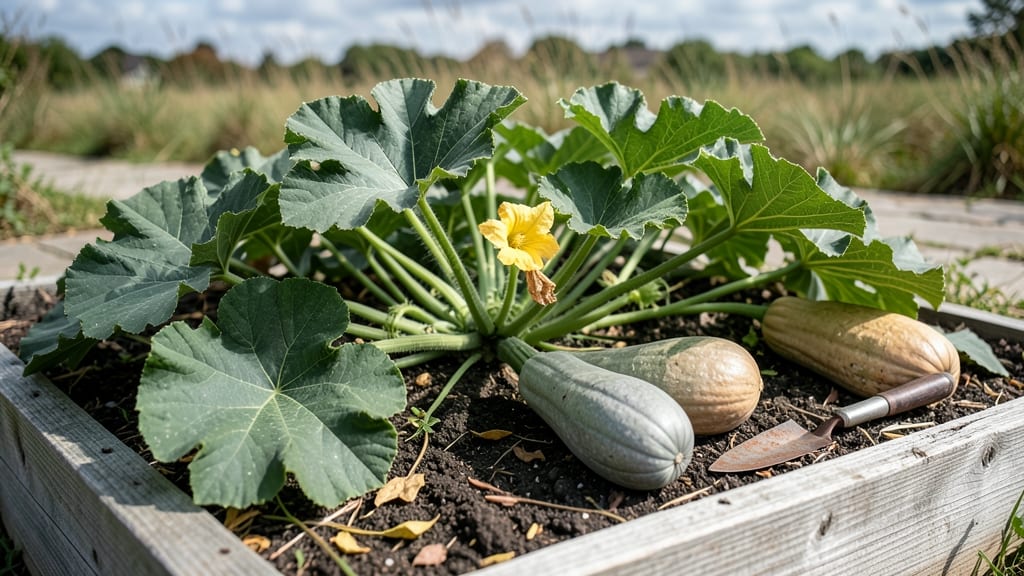
Growing Grey Mexican squash in containers changed how I garden in shady spots. 🌱 This variety thrives where most squash would struggle, producing sweet, tender fruit even with just 4-6 hours of morning sun.
The key is matching its needs to your space—whether that's a balcony, patio, or sunny corner with afternoon shade.
The secret starts with well-draining soil mixed with compost, planted in a 5-gallon container or larger per vine. Grey Mexican squash needs consistent moisture but hates soggy roots, so I use self-watering pots with a 2-inch mulch layer to keep soil even.
Stake or trellis the vines early—they grow 6-8 feet long but stay compact enough for containers.
By late summer, you’ll be harvesting 6-8 inch fruits with smooth grey skin and creamy orange flesh. The flavor is nutty and slightly sweet, perfect for roasting or spiralizing. Watch for squash vine borers (cover young plants with row fabric) and powdery mildew (space vines for airflow).
This variety’s shade tolerance makes it ideal for urban gardens, north-facing patios, or under fruit trees. Start seeds indoors 4-6 weeks before last frost, then transplant when soil warms to 60°F. With the right setup, you’ll get a harvest even where others give up.
📚 In This Guide
- What you need
- Instructions
- Tips and common mistakes
- Wrapping up and next steps
What you need
- ● Grey Mexican squash seeds – 3–5 seeds per container (or 1–2 per plant if transplanting seedlings). Choose heirloom, non-GMO seeds for the best flavor.
- ● Containers – At least 5-gallon pots (18+ inches deep) or larger. Ensure they have drainage holes to prevent root rot.
- ● High-quality potting mix – A well-draining, organic blend (avoid garden soil—it compacts in containers!). Mix in compost or worm castings (10–20%) for nutrients.
- ● Slow-release fertilizer – Look for a balanced, organic option (e.g., 5-5-5 or 10-10-10 NPK ratio). Apply at planting and again mid-season.
- ● Support structure – A trellis, cage, or sturdy stakes (6+ feet tall) to train vines and save space.
- ● Watering can or hose with a gentle spray nozzle – Grey Mexican squash loves consistent moisture but hates soggy roots.
- ● Pruning shears – For trimming excess vines or removing yellowing leaves.
- ○ Mulch (optional but helpful) – Straw or shredded leaves to retain moisture and regulate soil temperature.
- ● Seedling heat mat – If starting indoors in cool climates to speed up germination.
- ● Liquid fertilizer – Like fish emulsion or compost tea for a mid-season nutrient boost.
- ● Shade cloth (30–50%) – To protect young plants from intense afternoon sun if in a hot, exposed spot.
- ● Container saucers or trays – To catch runoff and keep your porch or patio tidy.
- ● Plant markers – To label your squash (especially if growing multiple varieties!).
Step-by-step guide to growing Grey Mexican squash in containers
Here’s how to cultivate this stunning, vine-producing squash variety in pots—perfect for small spaces or urban gardens.
🪴 Step 1: Select the Right Containers and Soil Mix
Grey Mexican squash needs a minimum 5-gallon container per plant to accommodate its sprawling vines. I recommend fabric grow bags or heavy-duty plastic pots with drainage holes—these prevent root circling and allow excess water to escape. The squash’s roots will spread aggressively, so prioritize depth over width.
Use a lightweight, well-draining potting mix (avoid garden soil—it compacts and suffocates roots). Amend the mix with 20% perlite or coconut coir to improve aeration. Fill the container 2 inches below the rim to prevent overflow during watering. Tap the pot gently to settle the soil without compacting it too tightly.
🌱 Step 2: Plant Seeds at the Right Depth and Spacing
Sow 2-3 seeds per container at a depth of 1 inch, spacing them 3-4 inches apart in a small circle. Grey Mexican squash germinates best in warm soil (70-85°F), so preheat the mix by placing the container in a sunny window or on a seedling heat mat for 24 hours before planting. This trick speeds up germination from 7-10 days to just 5-7 days.
Cover the seeds lightly with soil and mist the surface until evenly moist. Avoid soaking—the seeds need consistent moisture but not soggy conditions. Place a clear plastic dome or plastic wrap over the container to retain humidity, then remove it once sprouts emerge. Thin to the strongest seedling after true leaves appear (about 2 weeks post-germination).
☀️ Step 3: Provide Partial Shade and Support for Vines
Grey Mexican squash thrives in partial shade (4-6 hours of morning sun), making it ideal for patios or balconies with dappled light. Position the container where it receives bright, indirect light—direct afternoon sun can scorch the leaves. If your space is fully shaded, supplement with a grow light (12-14 hours daily) to prevent leggy growth.
As the vines grow, train them along a trellis, cage, or sturdy stakes to save space and improve airflow. I use 5-foot bamboo stakes buried 6 inches deep in the soil, weaving the vines gently as they grow. This prevents the heavy squash from dragging the plant to the ground. Prune any yellowing or diseased leaves immediately to keep the plant healthy.
💧 Step 4: Water Deeply and Fertilize for Bountiful Harvests
Water the container deeply when the top 2 inches of soil feel dry—Grey Mexican squash has shallow roots and hates drought stress. I use a watering can with a narrow spout to direct moisture to the root zone without disturbing the vines. Overwatering leads to blossom-end rot, so always check soil moisture before watering again.
Feed the plant every 2-3 weeks with a balanced, water-soluble fertilizer (10-10-10) diluted to half strength. Once flowers appear, switch to a low-nitrogen, high-phosphorus fertilizer (5-10-10) to encourage fruit set. Avoid fertilizing after mid-summer—this prevents late-season growth that won’t mature before frost.
⏰ Step 5: Harvest and Maintain Through the Season
Grey Mexican squash matures in 80-90 days, but you can start harvesting small, tender fruit (6-8 inches long) as early as 60 days. Use a sharp knife or pruners to cut the squash from the vine, leaving a 1-inch stem attached. This prevents bruising and encourages more fruit production. Harvest in the morning when the skin is firm and dry.
Continue harvesting until the first frost, which signals the end of the growing season. At this point, you can cut back the vines and compost them, or overwinter the plant in a greenhouse if you live in a mild climate. Store harvested squash in a cool, dry place (50-55°F) for up to 3 months.
Tips & tricks for growing Grey Mexican squash in containers
These pro tips will help you maximize your container-grown Grey Mexican squash harvest with minimal fuss.
Container Selection: Don't settle for the bare minimum 5-gallon container—opt for 7-10 gallons if possible. The extra space gives roots room to spread and prevents the plant from becoming root-bound, which directly impacts vine growth and fruit production. I've found that fabric grow bags with built-in drainage perform best because they allow roots to breathe while preventing compaction.
Soil Preparation: The 20% perlite or coconut coir amendment is non-negotiable, but here's what nobody tells you—sterilize your potting mix first. Microwave it in 30-second bursts for 2 minutes to kill any fungal spores or weed seeds lurking in the mix. This simple step prevents common container-grown squash diseases that can devastate your harvest before it even begins.
Germination Hack: That 24-hour warm-up period is crucial, but don't just place your container in a sunny window. Instead, create a mini greenhouse effect by wrapping the container in a clear plastic bag (with holes for air circulation) and placing it on top of your refrigerator. The warm, humid environment mimics tropical conditions where Grey Mexican squash originates, accelerating germination to those 5-7 days while preventing damping-off disease.
Light Management: When supplementing with grow lights for the required 12-14 hours daily, position them just 6-8 inches above the plants. Too high and the light becomes ineffective; too low and you'll scorch the leaves. I use LED grow lights on a timer set to 14 hours of light and 10 hours of darkness to mimic natural day cycles. This consistent light schedule prevents the leggy growth that plagues many container gardeners.
Pro Tips for Grey Mexican Squash
- These pro tips will help you maximize your container-grown Grey Mexican squash harvest with minimal fuss.
- Container Selection: Don't settle for the bare minimum 5-gallon container—opt for 7-10 gallons if possible.
- Soil Preparation: The 20% perlite or coconut coir amendment is non-negotiable, but here's what nobody tells you—sterilize your potting mix first.
Frequently asked questions
How long does grey Mexican squash take to mature?
Grey Mexican squash typically matures in 70–85 days from transplanting, depending on your climate and growing conditions. If you’re growing in containers, ensure they’re large enough (at least 5 gallons) to support its sprawling vines. Patience pays off—these squash are worth the wait for their sweet, tender flesh!
Can grey Mexican squash grow in partial shade?
Yes! One of its biggest perks is tolerance for partial shade (4–6 hours of sunlight daily). While full sun yields bigger harvests, it thrives in dappled light or under trees. Just avoid deep shade—vines may sprawl more, but the fruit will still form, just slower. Ideal for balconies, patios, or under fruit trees!
What’s the best way to harvest grey Mexican squash?
Harvest when the squash is 6–8 inches long and firm to the touch, before the skin toughens. Use a sharp knife or pruners to cut the stem, leaving a small portion attached. Avoid pulling—it can damage the vine. Check vines every 2–3 days in peak season to encourage more production. Pro tip: Wear gloves if you’re sensitive to squash hairs!
What can I do if my grey Mexican squash flowers but no fruit forms?
No fruit despite flowers? It’s often due to lack of pollinators (like bees) or temperature extremes (below 60°F or above 90°F). Hand-pollinate by gently transferring pollen with a small brush between male (long stems) and female (tiny squash at the base) flowers. Also, ensure consistent watering—stress can reduce fruiting. If vines wilt, check for pests like squash bugs or powdery mildew.
How does grey Mexican squash compare to other summer squash?
Grey Mexican squash is milder, sweeter, and less seedy than zucchini or yellow squash, with a texture closer to a cross between butternut and crookneck. It’s also more compact, making it perfect for containers. For storage, keep uncut squash in a cool, dry place for up to 2 weeks. Cooking tip: Roast or spiralize it for a nutty, carrot-like flavor!
Wrapping up and next steps
Grey Mexican squash is a fantastic choice for container gardening—its shade tolerance, compact size, and delicious harvest make it a win-win for urban growers! Whether you're a beginner or a seasoned gardener, this versatile squash thrives with minimal fuss, offering both beauty and bounty. 🌱
Ready to grow your own? Start by gathering your supplies, pick the perfect container, and plant your seeds or seedlings this season. Your kitchen—and your garden—will thank you! 🍽️