
Vegetables
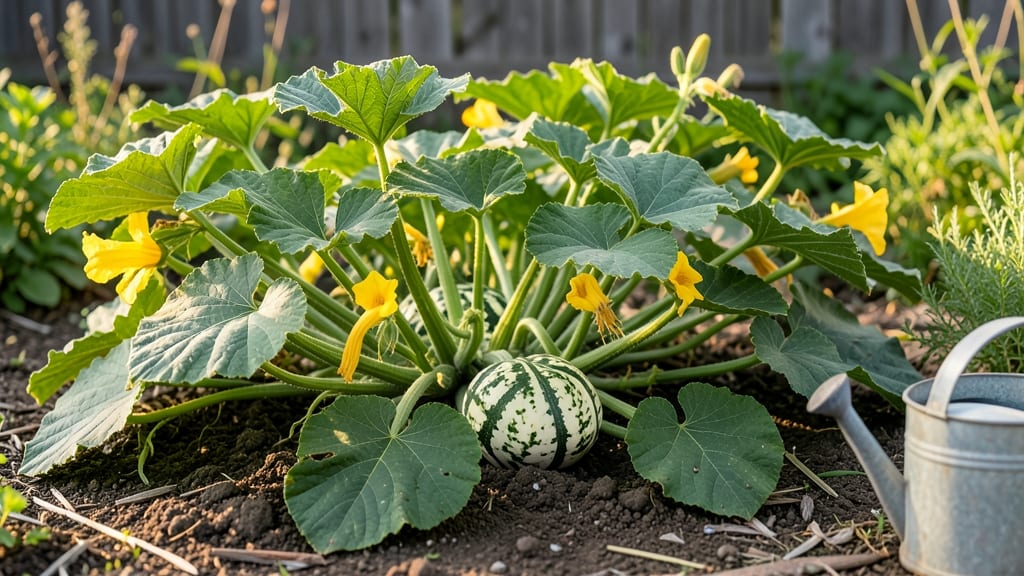
Growing green and white striped squash like 'White Bush Scallop' is like unlocking a secret garden treasure—these cold-hardy vines thrive where other varieties fail. 🌱 I planted mine in a shady corner last spring, and they produced plump, striped fruits all summer, even when temperatures dipped below 50°F at night.
The key? Choosing the right varieties and giving them the right conditions.
You’ll need well-draining soil mixed with compost, a container at least 18 inches deep (or a sunny spot in the ground), and a spot that gets 4-6 hours of sunlight daily—even partial shade works for these adaptable plants.
Start seeds indoors 4-6 weeks before your last frost, or buy transplants for a head start. These squash love warmth but hate soggy roots, so raised beds or containers with drainage are ideal.
By midsummer, you’ll be harvesting crisp, sweet fruits perfect for roasting or spiralizing. The vines keep producing for weeks, and the striped skins make them a showstopper in any garden. Just watch for squash bugs and keep the soil consistently moist—not soggy—to avoid common issues.
Works in containers, raised beds, or ground plots, even in cooler climates. Whether you’re a beginner or a seasoned gardener, these squash deliver reliable harvests with minimal fuss. Let’s get those seeds planted!
📚 In This Guide
- What you need
- Instructions
- Tips and common mistakes
- Wrapping up and next steps
What you need
- ● Seeds: 3–5 green and white striped squash seeds (e.g., 'White Bush Scallop' or 'Tromboncino' varieties).
- ● Containers (if growing in pots): 5-gallon fabric pots or large plastic containers (12–18" deep) with drainage holes.
- ● Growing medium: 10–15 lbs of high-quality potting mix (or a blend of 60% compost, 30% coconut coir, and 10% perlite).
- ● Compost/fertilizer: 1–2 cups of balanced organic fertilizer (5-5-5 or 10-10-10) or worm castings.
- ● Mulch: Straw or shredded leaves (2–3 inches) to retain moisture.
- ● Garden trowel or small shovel for planting.
- ● Watering can or hose with a gentle spray nozzle (avoid over-saturating soil).
- ○ Pruning shears (optional, for trimming vines if needed).
- ● Sunlight access: At least 6–8 hours of indirect light daily (morning sun is ideal).
- ● Partial shade option: Dappled sunlight or 50% shade cloth if growing in hot climates.
- ● Trellis or cage (3–4 ft tall) to support vining varieties.
- ● Row covers for early-season frost protection.
- ● pH test kit (ideal soil pH: 6.0–7.0).
- ● Slow-release fertilizer tablets for nutrient boosts.
Step-by-Step guide to growing cold-hardy green and white striped squash
Here's how I grow these striking vines—perfect for containers or shadier spots—with minimal fuss.
🌱 Step 1: Time Your Planting for Cool Weather
Striped squash thrives in cooler temperatures, so plant seeds 2-4 weeks before your last frost date for early harvests. I start mine in late March or early April in most climates, when soil reaches 50-60°F. These vines tolerate light frost better than most summer squash, but avoid planting when nighttime temps drop below 40°F.
For containers, use 5-gallon pots per plant—striped squash grows into sprawling vines that need room. Fill with well-draining soil mixed with compost. You'll see seedlings emerge in 7-14 days, but don't rush planting until all frost risk has passed.
🪴 Step 2: Choose the Right Spot and Support Structure
While striped squash handles partial shade better than most squash varieties, it still needs 4-6 hours of direct sun daily for best fruit production. In full shade, vines will grow leaves but produce few, if any, squash. I place mine near the edge of my shade garden where they catch morning sun and afternoon dappled light.
These vines sprawl aggressively—up to 6 feet long—so provide a trellis or sturdy stakes. I use a 6-foot tall tomato cage for each plant, which also makes harvesting easier. Train vines gently with soft ties or old pantyhose to avoid damaging the stems.
💧 Step 3: Master Watering for Consistent Production
Striped squash needs 1-1.5 inches of water weekly, but consistency is key—uneven moisture causes blossom-end rot or misshapen fruit. Water at the base in the morning to allow foliage to dry before evening. You'll know you're doing it right when the soil feels moist 2 inches down but not soggy.
Mulch heavily with straw to retain moisture and suppress weeds. I top-dress with compost every 3-4 weeks to replenish nutrients—these vines are heavy feeders. Watch for yellowing leaves, which signal either overwatering or nitrogen deficiency.
✂️ Step 4: Harvest at Peak Ripeness for Best Flavor
Striped squash is ready to harvest when the stripes are fully developed and the skin is hard and glossy. I pick mine when they reach 6-8 inches long—smaller than typical zucchini but sweeter. Use a sharp knife or pruners to cut stems, leaving 1 inch of stem attached to prevent bruising.
Harvest every 2-3 days during peak production to encourage more fruit. These vines produce prolifically in cool weather, so expect a steady supply. Store in the fridge for up to 1 week or preserve by freezing or pickling.
☀️ Step 5: Extend the Season with Simple Care
Unlike most squash, striped varieties often continue producing into fall. I protect mine from early frosts with row covers or move containers to a sheltered spot. These plants handle 25-30°F temps better than most, but a hard freeze will kill them.
After harvest, let vines die back naturally. The following spring, you'll often find new shoots emerging from the roots—just thin to the strongest 2-3 stems. I've had the same plants produce for 3-4 years with minimal care.
Tips & tricks for perfect green and white striped squash
These cold-hardy vines reward patience—here's how to maximize their potential without the guesswork.
Soil Temperature Secret: The 50-60°F soil temperature range in Step 1 isn't just a number—it's when seeds germinate most reliably. I test soil temp with a simple thermometer buried 2 inches deep. If your soil runs cooler, place pots in a sunny window or use black plastic mulch to warm the soil faster. Cold soil below 50°F delays germination by weeks, so don't rush planting until you hit that sweet spot.
Light Balance Breakthrough: While striped squash handles partial shade, the 4-6 hours of direct sun in Step 2 should be morning sunlight—it's more intense and crucial for fruit development. I've found that positioning plants to catch east-facing sun works best in shadier gardens. If your spot gets only afternoon shade, supplement with a small grow light for 2-3 hours daily during flowering to boost production.
Watering Technique: The 1-1.5 inches weekly watering guideline assumes consistent rainfall patterns. In my experience, it's better to water deeply 2-3 times per week rather than daily shallow watering. This encourages deep root growth and prevents blossom-end rot. I check moisture by pushing a finger 2 inches into soil—if it's dry at that depth, it's time to water. Morning watering is key to prevent fungal diseases from overnight moisture.
Harvesting Hack: Those 6-8 inch squash in Step 4 are perfect when they're firm to the touch and the stripes are crisp. Here's my trick: I harvest in the morning when the fruit is coolest—this prevents bruising. I also use a pair of sharp pruners instead of a knife to avoid damaging the vine, which helps the plant produce more fruit faster. The 1-inch stem attachment prevents rot during storage too.
Pro Tips for Green And White Striped Squash
- These cold-hardy vines reward patience—here's how to maximize their potential without the guesswork.
- Soil Temperature Secret: The 50-60°F soil temperature range in Step 1 isn't just a number—it's when seeds germinate most reliably.
- Light Balance Breakthrough: While striped squash handles partial shade, the 4-6 hours of direct sun in Step 2 should be morning sunlight—it's more intense and crucial for fruit development.
Frequently asked questions
Got questions about growing or using green and white striped squash? You’re not alone!
Here are answers to the most common queries—from planting to harvest—so you can grow this cold-hardy beauty with confidence.
Can green and white striped squash grow in containers?
This variety thrives in containers as long as the pot is at least 5 gallons and has drainage holes. Use a lightweight potting mix, and place the container in full sun to partial shade. Just ensure the pot is stable—these vines can get heavy!
How long does it take for green and white striped squash to mature?
From seed to harvest, expect 45–55 days for baby squash and 60–70 days for full-sized fruit. Check the plant base weekly for small, tender squash (about 6–8 inches long) before they toughen up. Patience pays off—harvesting early keeps the plant productive!
What’s the best way to store green and white striped squash?
Store unwashed squash in a cool, dark place (50–55°F) with good airflow, like a pantry or basement. They’ll keep for 2–3 weeks. For longer storage, blanch and freeze slices or cubes. Avoid refrigeration—cold speeds up spoilage!
Why are my squash flowers falling off before producing fruit?
This usually means pollination issues—either bees aren’t visiting or the weather’s too hot/cold. Hand-pollinate by gently transferring pollen with a small brush or toothpick from male (long stems) to female (tiny squash at the base) flowers. Water consistently too—stress reduces flowering!
Are there any cold-hardy alternatives to green and white striped squash?
Yes! Try these shade-tolerant, cold-resistant squash varieties:
- ‘Early Prolific Straightneck’ – Fast-growing (45 days), handles light frost.
- ‘Table Queen’ – Bush-type, thrives in containers, and tolerates cooler temps.
- ‘Zucchini ‘Eight Ball’ – Compact, productive, and slightly more cold-hardy than standard zucchini.
Wrapping up and next steps
Growing green and white striped squash is a rewarding adventure—whether you’re a container gardener or working with shade! 🌱 These cold-hardy vines offer delicious, versatile harvests with minimal fuss, making them perfect for beginners and seasoned growers alike.
Now that you’re armed with the right tips, why not give them a try this season?
Start small: plant a few seeds or seedlings in your garden or containers, and watch your green-thumbed confidence (and squash patch!) grow. Happy gardening! 🌿