
Picking
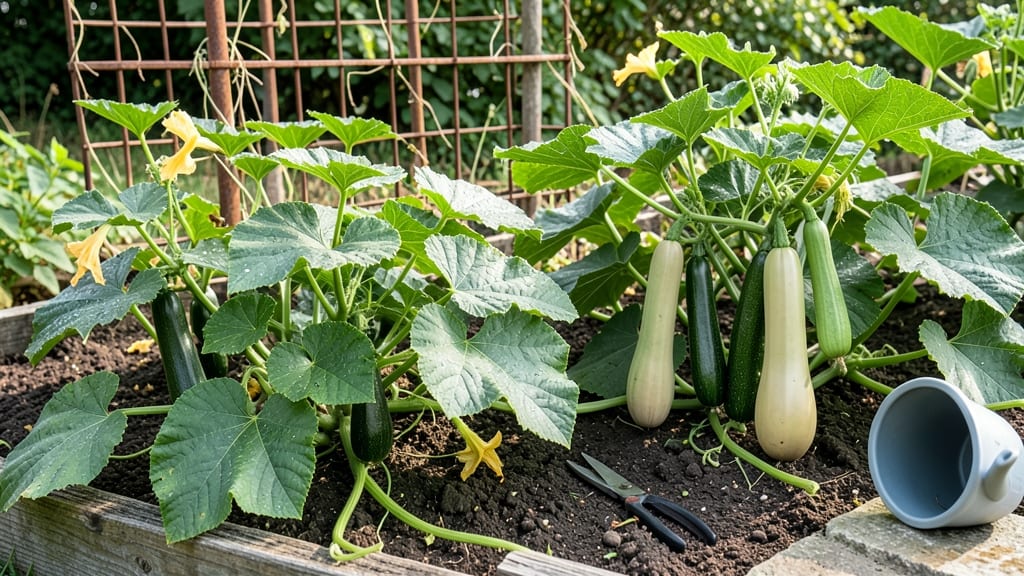
To distinguish gourds and squashes, focus on their growth patterns and purposes: gourds grow on sprawling vines, develop thick, hard shells for storage and decoration, while squashes produce soft-skinned, edible fruits with faster maturation times.
Gourds and squashes might look similar at first glance, but their botanical families and intended uses reveal key differences. 🌱 Gourds like bottle gourds or calabash are prized for their durable shells, often used for crafts or storage, while squashes such as butternut or acorn are cultivated for their tender flesh and quick harvests.
The vine structure also varies—gourds tend to sprawl wider, while squash vines stay more compact, which affects garden spacing and care routines.
For gardeners, this distinction matters when planning crops. Squashes like zucchini thrive in 50-60 days and need 2-3 feet of space, while gourds may take 90-120 days to mature and require more room to spread.
Understanding these traits helps you choose the right plants for your harvest goals—whether you're growing food or decorative pieces.
💡 In This Article
- Botanical and Growth Habits of Gourds vs Squashes
- Practical Uses: Growing Gourds vs Squashes in Gardens
Botanical and growth habits of gourds vs squashes
Both gourds and squashes belong to the Cucurbitaceae family, but their botanical differences start with their fruit development. Gourds, like the bottle gourd or calabash, develop hard, fibrous rinds that thicken over time—sometimes reaching 1/4-inch thickness—to protect seeds during storage.
This hardening process begins around 60-90 days after flowering and continues until maturity, creating a shell that can last for years. In contrast, squashes such as butternut or acorn develop softer skins that remain tender and edible, with rinds rarely exceeding 1/8-inch thickness.
The vine structures also reveal key distinctions. Gourd vines can sprawl up to 20-30 feet long, requiring trellises or wide garden beds to prevent tangling, while squash vines typically stay between 10-15 feet.
The leaves differ too: gourd leaves often have lobed edges with a waxy texture, while squash leaves tend to be broader and more rounded.
These physical traits influence how you'll need to manage them in your garden—gourds demand more space and support, while squashes are more compact and easier to contain.
Seed characteristics offer another clue. Gourd seeds are usually smaller (1/4-inch long) and flattened, often embedded in a spongy, fibrous pulp that dries out as the fruit matures. Squash seeds, however, are larger (1/2-inch long) and embedded in a softer, more fleshy center that remains edible.
This difference affects how you'd prepare them: gourd seeds are typically roasted or used in crafts, while squash seeds are often eaten raw or cooked as a snack.
The growth cycles highlight their functional purposes. Gourds take 90-120 days to mature, with some varieties like the winged gourd requiring even longer. Their slow development aligns with their role as long-term storage solutions or decorative pieces.
Squashes, however, mature in 50-80 days, making them ideal for quick harvests and fresh eating. This faster cycle is why they're staples in summer and fall gardens, while gourds are often planted for late-season or ornamental displays.
Consider the pumpkin—a hybrid case that blurs the line. While pumpkins are technically squashes (used for food), their hard rinds and long storage life make them function like gourds in some contexts.
This duality shows how botanical classifications can overlap, but the key remains their intended use: food vs. decoration. 🌿
One final telltale sign is the fruit's response to handling. Gourds remain firm and unyielding even when ripe, while squashes soften noticeably as they mature.
Pressing a finger against the skin of a squash will often leave a slight indentation, whereas gourds feel rock-hard—like tapping a melon to check ripeness, but with no give at all.