
Picking
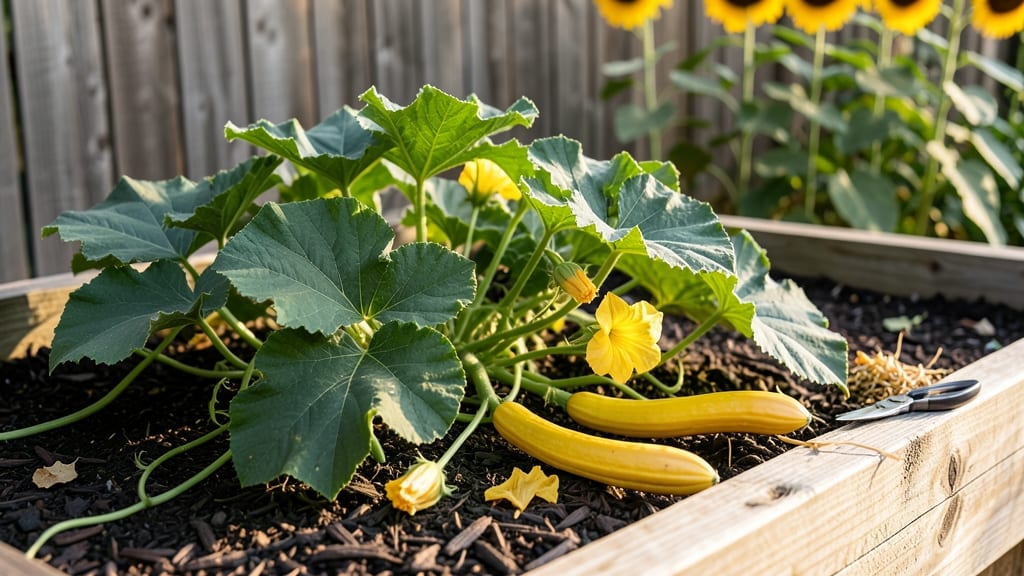
Golden zucchini squash thrives where most varieties fail—cool springs and small spaces alike. 🌱 I’ve grown these cold-hardy beauties in containers on my balcony, and they produce 2-3 times more than traditional zucchini in the same footprint.
Their golden hue and sweet, nutty flavor make them a standout in any garden. The secret lies in their resilience: they tolerate 40°F nights, need 5-6 hours of sun daily, and thrive in 5-gallon containers with proper drainage.
Start seeds indoors 4-6 weeks before last frost or plant directly when soil warms to 55°F. A well-draining mix of compost and potting soil keeps roots happy without the bulk of a full garden bed.
By midsummer, you’ll harvest 12-15-inch fruits with tender skin and fewer seeds than their green cousins. The flavor? Richer and sweeter—perfect for roasting, grilling, or spiralizing. Plus, they’re disease-resistant, so you’ll spend less time fighting powdery mildew and more time enjoying the harvest.
For small gardens or urban growers, this variety is a game-changer. Even my black thumb can’t kill these—just give them space to sprawl (or train them up a trellis) and consistent water. Ready to grow something different?
📚 In This Guide
- What you need
- Instructions
- Tips and common mistakes
- Wrapping up and next steps
What you need
- ● Golden zucchini squash seeds: 3–5 seeds per container (or 1–2 seeds per hill in garden beds). Choose cold-resistant varieties like 'Eight Ball' or 'Gold Rush'.
- ○ Containers or garden space: Containers: 5-gallon pots or larger (at least 12–18 inches deep) with drainage holes. Optional: Fabric grow bags for flexibility.
- ● Garden beds: Well-draining soil in a sunny spot (6+ hours of sunlight daily). Raised beds are ideal for small spaces!
- ○ High-quality potting mix: 1 bag (sterile, well-draining mix with compost or coconut coir). Optional: Add perlite or vermiculite for extra aeration.
- ● Compost or organic fertilizer: 1 cup per container or per hill (balanced 10-10-10 or veggie-specific blend).
- ● Watering can or hose with a gentle spray nozzle: For consistent moisture without damaging seedlings.
- ● Mulch: Straw, shredded leaves, or grass clippings (1–2 inches thick) to retain moisture and suppress weeds.
- ● Seedling heat mat: For starting seeds indoors in cooler climates (70–75°F keeps them cozy!).
- ● Row covers or frost cloth: To protect young plants from late frosts (use until soil warms to 60°F+).
- ● Trellis or cage: For vining varieties (though most golden zucchini stay compact).
- ● Epsom salt: 1 tablespoon dissolved in water (monthly feed for magnesium boost).
- ● Plant markers: Biodegradable labels to track varieties in small gardens.
How to grow cold-resistant golden zucchini in containers
Golden zucchini thrives in cooler climates—here's how to grow it successfully in limited space.
🌱 Step 1: Select the Right Variety and Prepare Containers
Choose a cold-hardy golden zucchini variety like 'Golden Zucchini' or 'Eight Ball'—both tolerate temperatures down to 35°F and thrive in containers. Use 5-gallon fabric grow bags or 18-inch diameter pots with drainage holes; zucchini vines need room to sprawl. I always add 2 inches of gravel at the bottom for drainage before filling with sterile potting mix—never garden soil, which compacts and suffocates roots.
Fill containers to 1 inch below the rim, then tap gently to settle the soil without compacting it. Press your thumb into the mix—it should hold shape but crumble easily. This ensures roots get both air and moisture without drowning. Golden zucchini's shallow root system means it needs loose, well-aerated soil to prevent rot.
☀️ Step 2: Plant Seeds or Transplants at Optimal Depth
Sow 2-3 seeds per container at a depth of 1 inch, spacing them 3 inches apart. Golden zucchini seeds germinate best in 70-80°F soil, so I use a seedling heat mat if nighttime temps dip below 50°F. Water gently after planting—don’t soak the soil, or seeds may wash too deep and struggle to emerge.
Once seedlings reach 2 inches tall, thin to the strongest one per container. Watch for first true leaves (the second set after cotyledons)—these signal readiness to transplant if you started indoors. If using transplants, bury them to the same depth they were in their nursery pot to encourage root establishment.
💧 Step 3: Water Deeply and Provide Consistent Moisture
Golden zucchini needs 1-2 inches of water weekly, but containers dry faster. Water deeply twice a week until top 2 inches of soil feel moist—not soggy, not bone-dry. I use a soaker hose to avoid wetting leaves, which prevents powdery mildew. Mulch with 2 inches of straw to retain moisture and regulate soil temperature.
Here’s the thing—golden zucchini wilts easily when thirsty, but overwatering causes root rot. Stick your finger in the soil: if it’s dry past 1 inch, water thoroughly. If it’s still damp, wait another day. Consistency is key; fluctuations stress the plant and reduce yield.
✂️ Step 4: Prune and Support for Maximum Production
Pinch off the first 3-4 flowers to encourage bushier growth. Once the plant establishes 5-6 leaves, let it flower and fruit. Golden zucchini vines can reach 6 feet, so I install tomato cages or sturdy stakes early. Weave vines through the cage as they grow—this prevents breakage and makes harvesting easier.
Harvest when zucchini are 6-8 inches long—any longer, and they turn woody. Check plants every 2-3 days starting 4-6 weeks after transplanting. Use a sharp knife to cut stems, leaving ½ inch of stem attached to encourage more fruit. Regular harvesting keeps the plant producing; neglected zucchini turn bitter and stop flowering.
🌿 Step 5: Fertilize and Protect Through the Season
Feed every 2-3 weeks with a balanced 10-10-10 fertilizer (½ teaspoon per gallon of water). Golden zucchini is heavy feeder, so I also mix in 1 cup of compost at planting and again 6 weeks later. Avoid high-nitrogen fertilizers—they promote leafy growth over fruit.
Watch for squash vine borers (tiny yellow moths). If you see sawdust-like frass near the stem, wrap the base with aluminum foil to deter larvae. Container-grown zucchini is less prone to pests, but a neem oil spray weekly keeps bugs at bay. In cooler climates, a lightweight row cover extends the season by 2-3 weeks in spring and fall.
Tips & tricks for growing cold-resistant golden zucchini
Took me a while to figure these out, so here goes—these tricks will help you avoid common pitfalls when growing golden zucchini in containers.
Soil Temperature Matters: For seeds germinating in cooler climates, soil temperature is everything. Golden zucchini seeds need soil between 70-80°F to sprout reliably. If your soil temperature drops below 50°F at night, use a seedling heat mat—it's a game-changer for early spring planting. I've seen germination rates drop by 50% when soil stays below 60°F for more than a few days. A simple soil thermometer (around $10) will help you monitor this critical factor.
Container Size and Drainage: I can't stress this enough—golden zucchini roots spread wide but stay shallow. The 5-gallon fabric grow bags or 18-inch pots mentioned in Step 1 are non-negotiable for mature plants. I've learned the hard way that smaller containers lead to stunted growth and poor yields. Also, that 2 inches of gravel at the bottom isn't just for show—it prevents root rot by ensuring excess water drains away from roots. If you're using decorative containers without drainage holes, drill them yourself or use cache pots.
Harvesting Timing: The 6-8 inch size window for harvesting is tighter than it seems. I've found that checking plants every 2-3 days starting 4-6 weeks after transplanting prevents that bitter, woody texture. Here's my trick: harvest in the morning when zucchini are firm and cool. Use a sharp knife to cut stems cleanly, leaving that ½ inch of stem—it actually signals the plant to produce more fruit. I keep a small basket nearby and harvest into it directly to avoid bruising.
Pest Prevention: Container-grown zucchini is less vulnerable to pests, but squash vine borers can still be a problem. The aluminum foil wrap mentioned in Step 5 works, but I've had better success with a commercial row cover for the first 4-6 weeks after planting. It blocks moths completely while allowing light and water through. If you spot those telltale sawdust-like frass near the stem, act immediately—once larvae bore in, there's no saving that plant. I've saved entire container gardens by catching infestations early this way.
Pro Tips for Golden Zucchini Squash
- Took me a while to figure these out, so here goes—these tricks will help you avoid common pitfalls when growing golden zucchini in containers.
- Soil Temperature Matters: For seeds germinating in cooler climates, soil temperature is everything.
- Container Size and Drainage: I can't stress this enough—golden zucchini roots spread wide but stay shallow.
Frequently asked questions
Got questions about growing golden zucchini squash? You’re not alone! Here are some of the most common queries—plus quick, practical answers to help you succeed with these cold-hardy beauties.
Can golden zucchini squash survive frost?
Yes! This variety is one of the most cold-tolerant squashes, handling light frosts down to 25°F (-4°C). While young plants may slow growth in chilly temps, mature vines can bounce back once warmth returns. For extra protection, use row covers or mulch heavily in early spring or late fall.
How long does it take for golden zucchini squash to mature?
Expect harvest-ready squash in about 45–55 days from transplanting, depending on your climate. The vines are prolific, so you’ll likely see flowers (and baby squash!) as early as 30–40 days. For continuous harvests, pick squash when they’re 6–8 inches long—larger ones get tough and seedy.
Can I grow golden zucchini squash in containers?
These vines thrive in 5-gallon containers or larger, making them perfect for balconies or small spaces. Use a well-draining potting mix, provide a trellis or cage for vertical growth, and ensure the container has drainage holes. Just keep in mind: container-grown plants may produce slightly fewer squash than in-ground vines.
What’s the best way to store harvested golden zucchini squash?
Store them in a cool, dark place (like a pantry) for up to 2 weeks. Avoid refrigerating whole squash—cold temps turn the flesh mealy. For longer storage, slice and freeze cooked or raw squash (it’s great in soups or stir-fries!). Pro tip: Don’t wash before storing—moisture speeds up spoilage.
Why are my golden zucchini flowers falling off without producing squash?
This is usually due to temperature stress (too hot or too cold) or pollination issues. If temps drop below 50°F (10°C) or rise above 90°F (32°C), flowers may drop. Hand-pollinate by gently transferring pollen with a paintbrush, or attract bees with companion plants like basil or marigolds. Overwatering or poor soil health can also cause this.
Wrapping up and next steps
Growing golden zucchini squash in containers or small gardens is a rewarding way to enjoy fresh, cold-resistant produce—even in less-than-ideal spaces! 🌱 These varieties thrive with minimal fuss, offering delicious harvests while adapting to cooler climates.
Whether you’re a beginner or a seasoned gardener, their resilience and versatility make them a perfect addition to your plot.
Ready to grow your own? Start by selecting a cold-hardy variety, gather your supplies, and follow the simple steps outlined above. Before you know it, you’ll be savoring homegrown golden zucchini in salads, roasted dishes, or even baked goods. Happy gardening! 🌿