
Pests
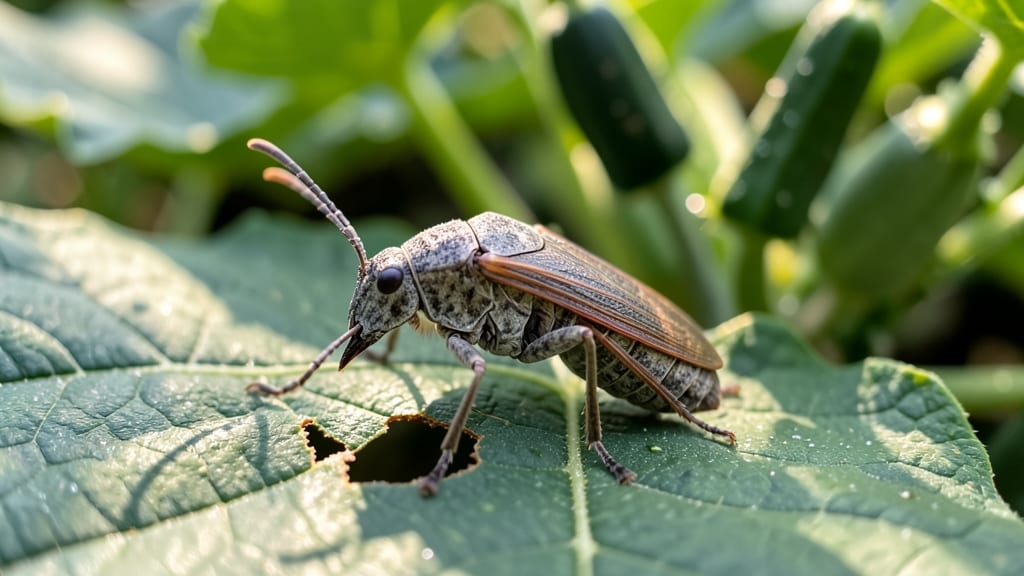
Getting rid of squash bugs starts with this neem oil spray—my go-to trick for years, turning those shield-backed pests into a thing of the past in just 7-10 days. 🌱 No more sticky eggs, no more cucurbit chaos. or wilting vines. The key is timing and technique, not just spraying.
Most gardeners fail because they treat it like a one-time spray job. Squash bugs hide under leaves and along stems, so you need to get neem oil into every crevice where they lurk.
I start with a thorough cleanup—removing all adult bugs and egg masses by hand—then apply the spray at dusk when bugs are active but before they retreat for the night. By morning, you'll notice fewer bugs crawling around, and within a week, your plants will show new growth.
The leaves stay crisp, the vines stay strong, and you can finally enjoy those zucchini and pumpkins without constant pest pressure. This method works for backyard gardens, raised beds, and even container-grown squash. The best part?
Neem oil is safe for beneficial insects when used correctly, so you're not just killing pests—you're protecting your garden's balance. Let's get those squash bugs gone for good!
The Hidden Triggers Behind Squash Bugs
Squash bugs don’t just appear out of nowhere—they’re drawn to specific conditions that turn your garden into their perfect buffet. Understanding these triggers is the first step to reclaiming your plants. Let’s break down the science behind why these pests show up and how they thrive.
Squash bugs have a knack for sniffing out stressed plants. When your squash, pumpkins, or cucumbers are overripe, diseased, or dying, they release volatile organic compounds (VOCs) that act like a dinner bell to these pests.
These compounds signal that the plant’s defenses are weakened, making it an easy target.
- Why it happens: Squash bugs prefer plants with high moisture content and soft tissue, which are easier to pierce with their sharp mouthparts. Overripe fruits or wilting leaves provide the perfect entry point. - Actionable insight: Remove any rotten or overly mature produce immediately.
Prune damaged foliage to reduce hiding spots and improve air circulation, which strengthens plant resilience.
Squash bugs love dark, moist environments where they can lay eggs and hide during the day. If your garden is cluttered with:
- Leaf litter
- Weeds
- Old crop residues
- Mulch piles
You’re essentially giving them a five-star hotel. Eggs laid in these areas hatch into nymphs that quickly infest nearby plants.
- Why it happens: These pests overwinter in soil debris and emerge in spring when conditions are warm and humid. A messy garden provides protection from predators (like birds or beneficial insects) and consistent moisture for their life cycle. - Actionable insight: Clean up thoroughly after harvest.
Till the soil in fall to expose and dry out overwintering eggs. Use straw mulch sparingly—keep it thin to avoid creating hiding spots.
Squash bugs thrive in warm temperatures (70–90°F) and high humidity, which is why they’re most active in summer and early fall.
These conditions: - Speed up their reproduction cycle (females can lay 20–30 eggs at a time). - Slow down natural predators (like ladybugs or parasitic wasps), giving squash bugs an edge. - Keep their eggs moist, preventing them from drying out.
- Why it happens: Their exoskeleton is waxy, which helps retain moisture in dry conditions—but they still need shade and dampness to survive. If your garden stays consistently warm and humid, they’ll stick around longer. - Actionable insight: Improve airflow around plants by spacing them properly.
Avoid overwatering, and water early in the day so foliage dries quickly. If possible, choose squash varieties that mature faster to avoid peak infestation periods.
Squash bugs are specialists—they target cucurbits (squash, pumpkins, cucumbers, melons) almost exclusively. If you’ve planted large blocks of the same crop, you’ve created a pest paradise.
- Why it happens: In monocultures, predators and beneficial insects (which might control squash bugs in diverse gardens) are less likely to be present. The bugs spread rapidly because there’s an endless food source. - Actionable insight: Interplant with non-host crops like beans, tomatoes, or herbs.
Use row covers early in the season to prevent adults from laying eggs. Rotate crops annually to disrupt their life cycle.
In a healthy ecosystem, squash bugs face threats from:
- Parasitic wasps (which lay eggs inside squash bug eggs).
- Ground beetles (which eat eggs and nymphs).
- Birds (which snack on adults).
- Spiders and predatory mites (which ambush nymphs).
- Why it happens: Pesticide use (even broad-spectrum sprays) can wipe out beneficial insects faster than squash bugs. Compacted soil or lack of ground cover also reduces predator populations.
- Actionable insight: Avoid chemical pesticides—opt for neem oil, kaolin clay, or insecticidal soap instead. Plant companion flowers (like marigolds or alyssum) to attract predatory insects. Leave some leaf litter in undisturbed areas to encourage ground beetles.
Squash bugs prefer tender, new growth because it’s easier to penetrate. Seedlings and young plants have thinner cell walls, making them vulnerable to feeding damage.
- Why it happens: Older, woody plants develop thicker stems and tougher leaves, which deter squash bugs.
But new transplants or seedlings are like an all-you-can-eat buffet. - Actionable insight: Use row covers for the first 4–6 weeks after planting to protect young squash. Hardening off seedlings (gradually exposing them to outdoor conditions) can make them slightly more resilient. Choose disease-resistant varieties to keep plants strong.
Plants under water stress (either drought or overwatering) become more susceptible to squash bug attacks. Why?
- Drought-stressed plants produce less sap, but their remaining moisture is more concentrated—a squash bug’s dream.
- Overwatered plants develop soft, mushy tissue, which is easy for bugs to pierce.
- Why it happens: Squash bugs detect stress signals in plants and target them first.
A struggling plant can’t mount an effective defense. - Actionable insight: Water deeply but infrequently (1–2 inches per week) to encourage deep root growth. Mulch properly (but avoid thick layers) to retain moisture without creating hiding spots. Monitor soil moisture with a moisture meter to avoid extremes.
Squash bugs don’t just appear—they’re the result of environmental cues, poor plant health, and garden neglect. By addressing these root causes, you’re not just treating an infestation—you’re making your garden less inviting to them in the first place.
The key? Stay proactive, keep plants healthy, and disrupt their life cycle at every stage. 🚀
Beat Back Squash Bugs Fast
Now that you know why these pesky pests invade your garden, it’s time to take action! Squash bugs may be stubborn, but with the right strategies, you can eliminate them quickly and prevent future outbreaks.
Below, we’ve mapped out targeted fixes based on the most common causes—plus prevention tips to keep your squash, pumpkins, and cucumbers thriving.
If you’ve spotted just a few bugs or eggs, manual removal is your best first line of defense.
- 🔥 When to use: Early-stage infestations (under 10 adults or clusters of eggs).
- 👨🍳 How to do it:
- Morning or evening (when bugs are sluggish), inspect leaves—especially the undersides—for eggs (tiny, copper-colored clusters) and adults.
- Drop them in soapy water (1 tbsp dish soap per gallon) to kill them instantly. Never crush them on plants—their scent attracts more bugs!
- Check regularly—squash bugs lay 20-30 eggs at a time, so daily checks in the first 2 weeks of planting are critical.
✨ Pro Tip: Use a magnifying glass for egg hunting—early removal = fewer bugs later!
Neem oil isn’t just effective—it’s safe for plants, pets, and kids when used correctly. It disrupts their life cycle by:
- Killing eggs and young nymphs on contact.
- Repelling adult squash bugs with its bitter taste.
- Preventing future egg-laying.
- 🍳 When to use: At first sign of bugs or eggs, and every 5-7 days for 2-3 weeks.
- 👨🍳 How to make it:
| Ingredient | Amount |
|---|---|
| Cold-pressed neem oil | 1 tbsp |
| Dish soap (or mild castile soap) | ½ tsp |
| Water | 1 quart (32 oz) |
| Optional: Horticultural oil | 1 tsp (boosts stickiness) |
Mix well and spray evenly on both sides of leaves, focusing on leaf axils (where stems meet leaves—bugs love hiding there). Reapply after rain.
💡 Pro Tip: For extra potency, add 1 tsp of garlic or chili powder to the mix—bugs hate the smell!
Prevention is 100x easier than cleanup. If squash bugs are a recurring problem, block their access with these barriers:
- 🌡️ Floating row covers (lightweight fabric): - When to use: At planting (cover seedlings) or when bugs first appear. - How to use: Secure edges with soil or bricks. Remove during pollination (if growing squash for seeds), but reapply after flowering. - 🎯 Collars around stems: - Cut cardboard or aluminum foil rings (4-6 inches tall) and wrap them around young plants.
Bugs can’t climb smooth surfaces! - 🌿 Mulch with straw or grass clippings: - Why? Squash bugs hibernate in garden debris. A 3-inch layer of mulch smothers overwintering eggs.
✨ Pro Tip: Reflective mulch (like silver plastic) can confuse bugs and deter them—just bury the edges so they don’t attract heat-loving pests.
Squash bugs are drawn to yellow and blue colors. Use this to your advantage with homemade traps:
- 🍯 Yellow sticky traps: - Cut yellow cardboard or plastic into squares, coat with sticky traps (or mix 1 part petroleum jelly + 2 parts vegetable oil), and place near plants. - Check daily and reset traps every 2-3 days. - 🥘 Beer or sugar-water traps: - Bury a small cup or bottle filled with beer or a sugar-water mix near plants.
Bugs are drawn in and drown. - 🌿 Crushed mint or citrus peels: - Sprinkle dried mint or orange peels around plants—bugs avoid the scent.
💡 Pro Tip: Rotate trap locations weekly to maximize effectiveness—bugs get wise to static spots!
Once you’ve eliminated the current infestation, take these steps to keep them away for good:
- 🌿 Rotate crops: Squash bugs target the same family year after year (squash, pumpkins, cucumbers). Plant in different spots each season. - 🔥 Clean up thoroughly: - Remove all plant debris in fall (bugs hide in dead vines). - Till the soil to expose and kill overwintering eggs. - 🌱 Choose resistant varieties: - Some squash types (like ‘Butternut’ or ‘Straightneck’) are less attractive to squash bugs.
Check seed packets for pest-resistant labels. - 🌡️ Time your planting: - Wait until soil is warm (60°F+) before planting—cool starts attract more bugs.
✨ Pro Tip: Plant companion crops like marigolds, nasturtiums, or radishes—they repel squash bugs with their strong scents!
Final Reminder: Consistency is key! Check plants daily, act fast at the first sign, and combine methods (neem oil + traps + barriers) for the best results. With these strategies, your squash patch will stay bug-free and bountiful! 🎉
Frequently asked questions
How do I tell the difference between squash bugs and stink bugs?
Squash bugs are flat, shield-shaped with parallel lines on their backs and no antennae at the front. Stink bugs have pointed shoulders and visible antennae. Squash bugs also leave black, sticky droppings on leaves, while stink bugs release a foul odor when crushed.
Can I use vinegar spray to kill squash bugs?
Yes, but it’s not the most effective method. Mix 1 part white vinegar + 1 part water + 1 tsp dish soap and spray directly on bugs. The acidity can kill them, but it won’t prevent future eggs. For better results, combine with neem oil or manual removal.
Why do squash bugs keep coming back even after I spray?
They likely hide in garden debris or new eggs hatch daily. Adults can lay 20-30 eggs at a time, so you must check leaves daily and remove eggs manually. Also, ensure you’re spraying both leaf surfaces—they hide under leaves!
Are squash bugs harmful to humans or pets?
No, they’re not dangerous to touch or eat. However, their droppings can stain plants, and their bites (rare) may irritate skin if you’re sensitive. Always wear gloves when handling them.
What’s the best time of day to check for squash bugs?
Early morning or late afternoon when bugs are sluggish. They hide under leaves during the day and become active at dusk. This is also the best time to spray neem oil—they’re less likely to retreat.