
Picking
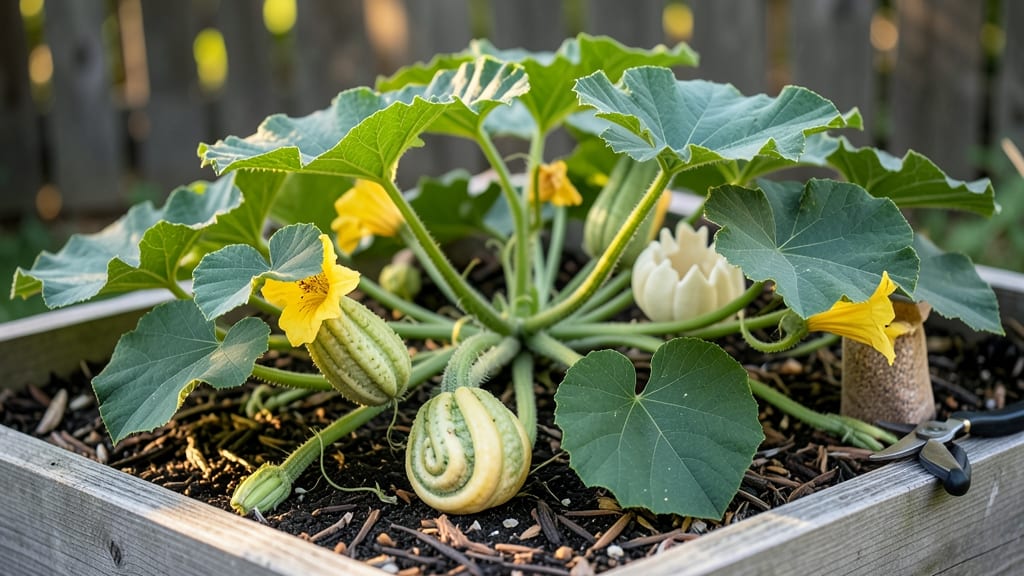
Imagine your garden stepping straight out of a storybook. 🌟 Fairy tale squash—with its ribbed, sculptural shapes and jewel-toned skins—transforms ordinary vegetable patches into living works of art.
These aren’t just edible; they’re conversation starters, perfect for turning your yard into a whimsical display that delights the eyes and fills the kitchen.
The secret to their magic lies in placement: nestle them near sunflowers or nasturtiums for a cottage-garden look, or tuck them into containers with trailing flowers for a fairy-tale balcony. Their vines sprawl dramatically, creating natural arches or focal points, while their colors—from deep blues to sunny yellows—echo seasonal palettes.
Even the unripe fruits add texture and charm to arrangements. By late summer, you’ll harvest glossy, storybook-worthy squash that doubles as decor. Leave a few on the vine for maximum shape, and pair them with lavender or marigolds for a fragrant, edible garden border.
The best part? They taste just as good as they look—sweet, nutty, and perfect for roasting or spiralizing. Works in raised beds, containers, or open ground, and thrives in full sun to partial shade.
Whether you’re designing a children’s garden or a romantic retreat, these squash bring edible magic to every corner. Let’s make your garden the talk of the neighborhood!
📚 In This Guide
- What you need
- Instructions
- Tips and common mistakes
- Wrapping up and next steps
What you need
- ● Seeds: Fairy Tale Squash seeds (e.g., Cinderella’s Pumpkin, Jack’s Beanstalk Delicata, or Snow White’s Butternut—pick 1-3 varieties for a magical mix!)
- ● Quantity: 3-5 seeds per variety (they’re picky about space!).
- ● Growing Containers or Garden Bed: Large pots (12"+ diameter) for container gardening, or a sun-drenched garden bed with at least 50 sq. ft. per plant (squash loves to sprawl!).
- ● Soil: Well-draining, nutrient-rich soil (amend with compost for extra fairy dust!).
- ● Sunlight: Full sun (6-8+ hours daily—these squash are dramatic about their light needs!).
- ● Watering Can or Hose: With a gentle spray nozzle (squash hates soggy feet!).
- ● Fertilizer: Balanced organic fertilizer (10-10-10) or compost tea (feed every 3-4 weeks).
- ○ Trellis or Support (Optional but Magical): For vining varieties like Jack’s Beanstalk Delicata, add a sturdy trellis (8’+ tall) to save space and add vertical enchantment!
- ● Mulch: Straw or shredded leaves to retain moisture and keep weeds at bay (nature’s fairy guards!).
- ● Row Covers: Lightweight fabric to protect seedlings from pests or chilly nights.
- ● Decorative Markers: Whimsical labels or painted stones to mark your squash “fairy plots” (because why not?).
- ● Harvest Basket: A wicker basket or woven bag to collect your edible treasures like a true storybook hero!
Step-by-step guide to growing whimsical fairy tale squash varieties
Transform your garden into a storybook with these enchanting, edible centerpieces that double as delicious harvests.
🌱 Step 1: Select and Prepare Your Fairy Tale Squash Varieties
Choose from the most whimsical types like 'Jack Be Little' (tiny pumpkins), 'Cinderella Pumpkin' (glossy gold), or 'Warty Thing' (bizarre, wart-covered gourds). These varieties thrive in warm climates but can be started indoors 4-6 weeks before your last frost date for a head start. I always opt for heirloom seeds from specialty growers—they deliver the most dramatic shapes and flavors.
Soak seeds overnight in lukewarm water to soften the outer shell and speed germination. This is especially important for fairy tale varieties, which often have thick seed coats. Place them in a bowl covered with a damp paper towel and leave them on a warm spot overnight. You'll see the seeds plump up noticeably by morning—that's your signal they're ready to plant.
☀️ Step 2: Plant in Well-Draining, Fertile Soil
Fairy tale squash varieties demand rich, well-draining soil with a pH between 6.0 and 7.0. Amend your garden bed with 2-3 inches of compost and a balanced organic fertilizer like 5-5-5. These plants are heavy feeders, so don’t skimp on nutrients—their dramatic shapes rely on robust growth.
Plant seeds 1 inch deep in hills spaced 3-4 feet apart, as these varieties sprawl and need room to roam. I like to create small mounds of soil to improve drainage and prevent rot, which is critical for the unique, often delicate shapes of fairy tale squash. Water the soil thoroughly after planting to encourage germination, keeping it consistently moist until sprouts appear.
💧 Step 3: Provide Consistent Moisture and Support
Once seedlings emerge, maintain 1-2 inches of water per week, delivered at the soil level to avoid wetting the leaves—this prevents fungal diseases that can mar the whimsical shapes. Fairy tale squash varieties are prone to powdery mildew, so I always water in the early morning to allow foliage to dry quickly.
As plants grow, install sturdy trellises or cages to support their sprawling vines. Some varieties, like 'Jack Be Little', produce tiny pumpkins that can get heavy. Use soft garden twine or mesh to gently guide vines upward without damaging the delicate stems. Watch for the first tendrils—these are your cue to begin training the plants upward.
✂️ Step 4: Prune and Harvest for Maximum Whimsy
Prune excess foliage to improve airflow and direct energy toward fruit development. Fairy tale squash varieties often produce fewer but more dramatic fruits, so I remove any weak or diseased leaves promptly. Use clean, sharp pruners to make cuts just above a leaf node to encourage bushier growth.
Harvest when fruits reach their full size and color—this varies by variety but typically occurs 80-100 days after planting. For example, 'Cinderella Pumpkin' is ready when its golden skin is fully glossy, while 'Warty Thing' should be harvested when its bumps are fully formed. Use a sharp knife to cut stems, leaving a small portion attached to the fruit to prevent bruising.
🌿 Step 5: Display and Preserve Your Edible Storybook
Fairy tale squash varieties are as stunning as they are tasty. Display them in your garden or on a porch as natural centerpieces—just avoid direct sunlight to prevent premature wilting. For long-term storage, cure them in a dry, well-ventilated area for 10-14 days at 80-85°F to harden the skin and extend shelf life.
Once cured, these squash varieties can be used in soups, roasted dishes, or even carved into whimsical lanterns. The key is to handle them gently—their unique shapes make them perfect for creative displays, but they’re also delicate. Store them in a cool, dark place for up to 3 months, checking occasionally for signs of spoilage.
Tips & tricks for growing whimsical fairy tale squash
Between us, these magical squash varieties demand a little extra TLC to bring out their full enchantment—and I’ve learned the hard way which tricks make all the difference.
Seed Prep Secret: The overnight soak in lukewarm water isn’t just about speed—it’s about breaking down those tough seed coats that can delay germination. Here’s what nobody tells you: After soaking, gently rub the seeds between your fingers to further soften the outer shell. This little extra step can shave off days from your waiting time, especially in cooler climates. I’ve seen seeds that took 10 days to sprout without this prep pop up in just 4 days with it!
Soil Science: Don’t just amend your soil—transform it. Fairy tale squash varieties are divas when it comes to nutrients, so mix in a handful of worm castings along with your 2-3 inches of compost. The microbial activity in worm castings helps prevent blossom-end rot, which can ruin those delicate shapes. And here’s a pro move: Test your soil’s pH before planting. If it’s outside the 6.0-7.0 range, adjust with lime (to raise pH) or sulfur (to lower it) at least 2 weeks before planting. Your plants will reward you with more dramatic fruits.
Watering Wisdom: The 1-2 inches of water per week guideline is perfect, but timing matters more than you think. I’ve found that using drip irrigation set on a timer for early morning watering eliminates 90% of powdery mildew risk. If you’re watering by hand, aim for the base of the plant and avoid the leaves entirely. And watch for those first tendrils—when you see them, it’s your cue to start training vines upward. This prevents the sprawling that can lead to broken stems, especially with heavy varieties like 'Jack Be Little'.
Harvesting Hack: The 80-100 day window is your sweet spot, but don’t wait until the very last day for varieties like 'Warty Thing'. Those bumps develop at different rates, and once they’re fully formed, the fruit stops growing. I’ve learned to check for color changes and firmness every 2-3 days during the final week. And here’s a game-changer: Use a sharp serrated knife to harvest, cutting through the stem at a 45-degree angle. This creates a larger surface area for healing, which extends your squash’s shelf life dramatically after curing.
Pro Tips for Fairy Tale Squash
- Between us, these magical squash varieties demand a little extra TLC to bring out their full enchantment—and I’ve learned the hard way which tricks make all the difference.
- Seed Prep Secret: The overnight soak in lukewarm water isn’t just about speed—it’s about breaking down those tough seed coats that can delay germination.
- Soil Science: Don’t just amend your soil—transform it.
Frequently asked questions
Got questions about growing your own fairy tale squash? You’re not alone—these whimsical gourds spark curiosity! Here are answers to the most common queries to help you cultivate magic in your garden with confidence.
What’s the best time to plant fairy tale squash seeds?
Plant seeds after the last frost when soil reaches 70°F (21°C). For most climates, this means late spring to early summer. If your growing season is short, opt for transplants instead of seeds for a head start.
How long does it take for fairy tale squash to mature?
Expect 80–100 days from planting to harvest, depending on the variety. Some whimsical types (like Cinderella’s Carriage) may take slightly longer. Monitor vines for blooms—harvest when fruits are fully colored and firm to the touch.
Can I eat fairy tale squash, or is it just for decoration?
While their ornamental shapes (hearts, teapots, etc.) make them garden stars, they’re 100% edible. Peel, seed, and roast, bake, or puree like other winter squash. Pro tip: Younger, smaller squash taste sweeter!
Why are my fairy tale squash flowers dying before fruiting?
This usually signals poor pollination—common in cool or rainy weather. Hand-pollinate by transferring pollen with a soft brush or toothpick between blooms. Bonus: Plant near bees-friendly flowers to attract pollinators naturally.
Are there dwarf or bush varieties of fairy tale squash?
Most fairy tale squash are vining, but some compact varieties (like Jack Be Little) stay under 4–5 feet. If space is tight, grow them in containers with trellises or choose smaller gourds like Peter Pan. Space vines 3–5 feet apart for optimal growth.
Wrapping up and next steps
Fairy tale squash varieties bring a touch of enchantment to your garden—and your table! 🌟 From the whimsical Cinderella pumpkin to the playful Jack Be Little gourds, these edible treasures are as fun to grow as they are delicious to eat.
Whether you're a seasoned gardener or just starting out, their unique shapes and vibrant colors make them a magical addition to any harvest.
Ready to cast your own spell? Start by planting a few seeds this season and let your garden become a real-life fairy tale. Who knows—your next squash might just be the star of the show! 🌱✨