
Neem Oil
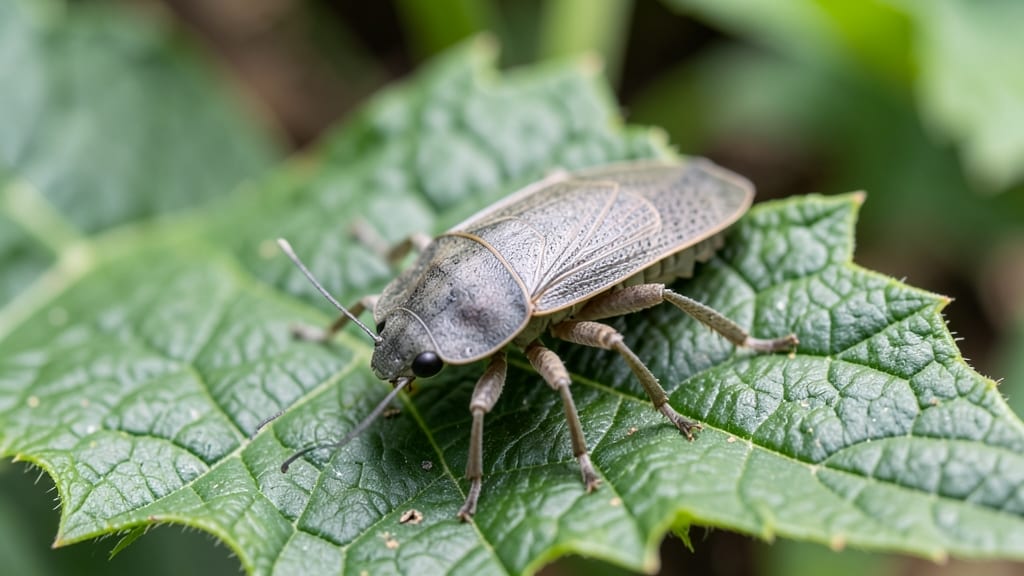
The essential oils for squash bugs you already have at home might just be the secret weapon to save your zucchini and pumpkins—those shielded pests that suck the life out of your summer harvests. 🌿 The good news?
A few drops of the right essential oils can turn them away without harming your plants or the bees that pollinate them. My go-to blend of neem, peppermint, and rosemary oil has saved my garden from total squash bug takeovers for three seasons running.
This method works because squash bugs hate strong scents—especially minty, citrusy, or earthy aromas. Unlike chemical pesticides, essential oils break down quickly in sunlight, making them safer for beneficial insects. You’ll need just 3 ingredients (plus water) and a spray bottle, and the process takes less than 10 minutes.
The key is consistency: reapply every 3-5 days or after rain.
What you’ll achieve is a garden where squash bugs think twice before landing. Your plants stay lush and productive, and you avoid the chemical residue that can linger for weeks. The spray also doubles as a fungicide, keeping powdery mildew at bay—a bonus for cucurbits like cucumbers and melons.
Best of all, this approach works alongside other organic controls like row covers and beneficial nematodes. For maximum effectiveness, use it as part of an integrated pest management plan—especially during squash bug hatching season in early summer. Here’s how to mix and apply it safely.
Root Causes Of Squash Bug Infestations
Squash bugs (Anasa tristis) are relentless pests that thrive in warm, humid conditions, wreaking havoc on your cucurbits—think squash, pumpkins, and zucchini. But why do they target your garden in the first place?
Understanding the underlying factors can help you strategize better prevention and control. Let’s break down the key reasons these pests invade your plants—and how to address them.
Squash bugs are drawn to weak, stressed, or overcrowded plants because they lack the resilience to fend off pests. When plants are struggling, their natural defenses—like tougher leaves or bitter-tasting sap—diminish, making them an easy meal.
- Why it happens:
- Poor air circulation (from dense foliage or thick mulch) creates a humid microclimate that squash bugs adore.
- Nutrient deficiencies (especially nitrogen, potassium, or magnesium) weaken plants, making them more susceptible.
- Overwatering or underwatering stresses roots, reducing the plant’s ability to produce protective compounds.
- Competition for resources (when plants are too close) forces them to divert energy from defense mechanisms.
- Actionable fix:
- Space plants 3–4 feet apart for better airflow.
- Use balanced organic fertilizers (like compost or fish emulsion) to boost plant health.
- Water deeply but infrequently (1–2 inches per week) to avoid soggy soil.
Squash bugs love warm, moist environments—think late spring to early fall in temperate climates. They’re also attracted to decaying organic matter, which provides shelter and moisture.
- Why it happens:
- High humidity (60–80% range) keeps their eggs and nymphs from drying out.
- Leaf litter or mulch piles near plants offer hiding spots for adults and egg-laying sites.
- Weedy garden beds provide alternative food sources (like wild cucurbits) and shelter.
- Nighttime temperatures above 70°F encourage adult activity and mating.
- Actionable fix:
- Reduce mulch thickness near plant bases (use straw or grass clippings sparingly).
- Remove weeds and debris regularly—especially in the fall, when bugs overwinter.
- Improve drainage in garden beds to prevent waterlogged soil.
- Use row covers early in the season to deter adults from landing.
Squash bugs have a highly synchronized life cycle, with adults emerging in early summer to lay eggs on the undersides of leaves. Their rapid reproduction (up to 3 generations per season) means a few unchecked adults can explode into an infestation.
- Why it happens:
- Adults overwinter in garden debris, emerging when soil warms to 50–55°F.
- Eggs hatch in 7–10 days under ideal conditions, releasing nymphs that feed aggressively.
- Nymphs mature in 3–4 weeks, becoming adults capable of laying more eggs.
- Lack of natural predators (like birds, parasitic wasps, or ground beetles) allows populations to spiral.
- Actionable fix:
- Scrape and destroy eggs (look for clusters of shiny, football-shaped eggs on leaf undersides).
- Handpick adults in the morning when they’re sluggish (drop them in soapy water).
- Encourage beneficial insects by planting dill, fennel, or marigolds nearby.
- Rotate crops annually to disrupt their life cycle.
Some regions are hotspots for squash bugs due to mild winters, high summer heat, or frequent rain. If you’re in the Mid-Atlantic, Southeast, or Midwest, you’re in their prime territory.
- Why it happens:
- Short, warm winters allow more adults to survive and reproduce.
- Frequent rain keeps soil moist, extending the squash bug’s active season.
- Urban gardens with limited biodiversity lack natural checks on their population.
- Actionable fix:
- Monitor weather patterns—peak activity occurs after heavy rains.
- Plant trap crops (like bush beans) away from your main squash patch to lure bugs away.
- Use reflective mulch (like aluminum foil) to deter adults from landing.
Even the best-intentioned gardening habits can unwittingly invite squash bugs.
Common errors include: - Ignoring early signs (tiny black droppings on leaves or chewed edges). - Using synthetic pesticides that kill natural predators (like ladybugs or lacewings). - Skipping garden cleanup in fall/winter, leaving hiding spots for overwintering bugs.
Pro tip: 💡 Act fast—squash bugs multiply quickly! A single female can lay up to 30 eggs in a week. If you spot 1–2 bugs, assume there are dozens more hiding.
Squash bugs don’t just appear—they’re drawn by weak plants, ideal conditions, and unchecked life cycles. By addressing these root causes, you can reduce their numbers naturally before they become a full-blown crisis.
The good news? Essential oils and organic sprays (like neem or peppermint oil) work best when combined with these preventative steps. Stay tuned for our DIY repellent recipe to kick these pests to the curb!
Natural Ways to Stop Squash Bugs
Squash bugs are a persistent nuisance for gardeners, but the good news is that nature provides powerful tools to fight back—especially when you harness the strength of essential oils.
Below, we’ll break down practical, step-by-step solutions tailored to the root causes of squash bug infestations, from prevention to active treatment. No harsh chemicals required!
Squash bugs thrive where plants are stressed or packed too closely. Prevent overcrowding and boost plant resilience to make your garden less inviting.
🔥 Step 1: Space Plants Properly
- Problem: Squash bugs hide in dense foliage and lay eggs in crowded areas.
- Fix:
- Plant squash, pumpkins, and cucumbers 12–24 inches apart (check seed packets for exact spacing).
- Use trellises for vining plants to lift them off the ground, reducing hiding spots.
- Pro Tip: 💡 If you already have overcrowded plants, thin them out immediately—remove the weakest stems to improve airflow.
🍳 Step 2: Strengthen Plants with Companion Planting
- Problem: Weak plants attract squash bugs because they’re easier to feed on.
- Fix:
- Interplant with herbs like basil, mint, or thyme—their strong scents repel bugs.
- Add marigolds or nasturtiums around the edges of your garden as natural bug deterrents.
- Avoid planting near corn—squash bugs love corn too!
👨🍳 Step 3: Keep Soil Healthy
- Problem: Poor soil leads to weak plants that can’t fight off pests.
- Fix:
- Test your soil (use a DIY kit or send a sample to a local extension office).
- Amend with compost to improve nutrient uptake and plant vigor.
- Use neem cake as a natural fertilizer—it also deters squash bugs!
If squash bugs are already in your garden, early detection and removal are key to stopping their spread.
🔪 Step 4: Handpick Adults & Eggs
- Problem: Adult squash bugs lay eggs in clusters on the undersides of leaves.
- Fix:
- Check leaves daily (especially in early morning or evening when bugs are sluggish).
- Drop adults into soapy water—never crush them (it releases pheromones that attract more bugs).
- Scrape off egg masses with a dull knife or your fingernail and dispose of them in a sealed bag.
- Pro Tip: 🌡️ Timing matters! Squash bugs overwinter in garden debris, so clean up plant residues in fall to reduce next year’s infestation.
⏰ Step 5: Use Traps to Monitor & Reduce Populations
- Problem: You might not see all the bugs hiding in your garden.
- Fix:
- DIY beer trap: Bury a shallow container filled with beer near squash plants—squash bugs are attracted to the yeast and drown.
- Yellow sticky traps can also catch flying adults (place them near plant foliage).
Once you’ve removed existing bugs, keep them away for good with a homemade essential oil spray. This is where your neem oil + essential oil blend (from your recipe) comes into play!
🎯 Step 6: Spray Plants with Repellent Oil Mix
- Problem: Squash bugs return if no deterrent is in place.
- Fix:
- Mix your essential oil spray (e.g., neem oil + peppermint + rosemary + garlic oil) in a spray bottle with water and a drop of dish soap (as an emulsifier).
- Spray thoroughly on both sides of leaves, stems, and soil around plants—early morning or late evening (to avoid harming bees).
- Reapply every 5–7 days or after rain.
- Pro Tip: ✨ Rotate oils every few weeks to prevent bugs from building resistance (try citrus oils, eucalyptus, or clove oil as alternates).
🌱 Step 7: Maintain a Bug-Free Garden Routine
- Problem: Squash bugs can re-infest if you stop preventive measures.
- Fix:
- Weekly inspections—check for eggs, adults, and early signs of damage.
- Rotate crops—don’t plant squash in the same spot year after year.
- Mulch with straw or grass clippings—this smothers overwintering bugs and retains moisture.
If squash bugs are already causing major damage, try these emergency measures:
| Issue | Quick Fix |
|---|---|
| Holes in leaves | Cover young plants with floating row covers until they’re established. |
| Wilted or dying vines | Prune severely damaged leaves and spray with a stronger oil mix (add tea tree oil for extra punch). |
| Eggs hatching fast | Diatomaceous earth (food-grade) around the base of plants kills larvae. |
Final Thought: 🌱 Squash bugs may be tough, but with consistent prevention, early action, and natural repellents, you can keep your garden thriving without resorting to chemicals. Stay vigilant, and your squash (and sanity) will thank you!
Frequently asked questions about essential oils for squash bug control
Which essential oils work best against squash bugs?
The most effective oils include peppermint, rosemary, neem, and garlic oil. Peppermint oil is particularly potent—its strong scent disrupts squash bugs' ability to find plants. For a stronger blend, combine 10 drops peppermint + 5 drops rosemary + 5 drops neem oil in your spray. Always test on a small leaf first to check for sensitivity.
How often should I reapply the essential oil spray?
Reapply every 5-7 days or immediately after rain. Essential oils break down quickly in sunlight, so consistency is key. For heavy infestations, apply twice weekly until you see improvement. Store your spray in a cool, dark place to preserve its potency.
Will essential oils harm my plants or beneficial insects?
When used correctly, essential oils are generally safe for most plants. However, avoid spraying in direct sunlight or when bees are active (early morning or late evening is best). For extra safety, use 1 teaspoon of dish soap per quart of water as an emulsifier. Always test on a small leaf first—some plants (like basil) may be sensitive.
Can I use essential oils as a soil treatment?
Yes! Mix 1 tablespoon of essential oils (like peppermint or rosemary) with 1 gallon of water and pour around plant bases. This creates a protective barrier that deters squash bugs from laying eggs. Reapply after heavy rain. For best results, combine soil treatment with foliar sprays for comprehensive protection.
What should I do if squash bugs return after using essential oils?
Rotate your oils every 2-3 weeks to prevent resistance. Try adding citrus oil or tea tree oil to your blend. Also check for hidden eggs on leaf undersides and remove them manually. For stubborn cases, combine oil sprays with row covers during peak hatching season (early summer).