
Light Requirements
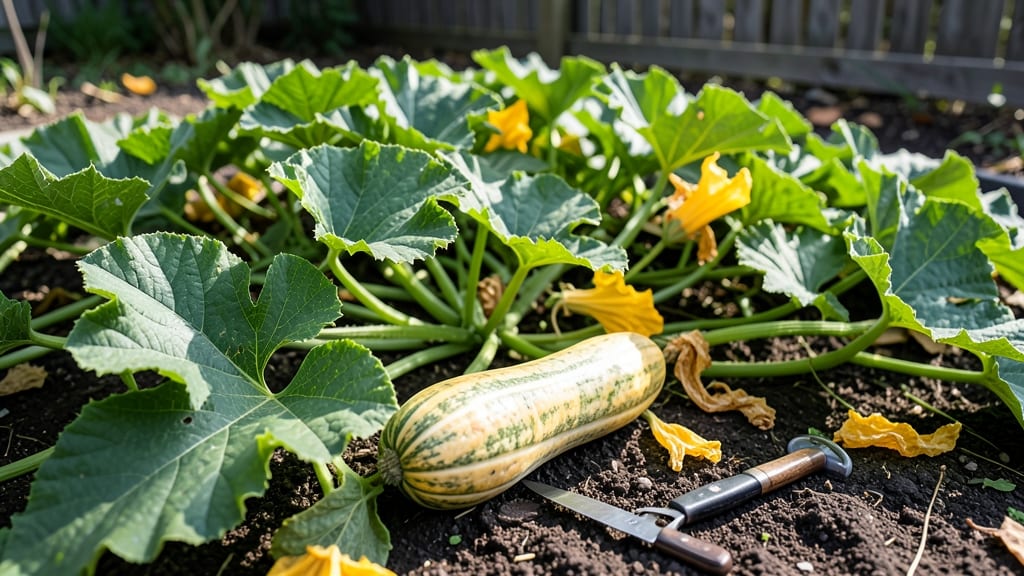
Delicata squash does not need to be peeled because its edible skin adds a subtle sweetness and nutty depth to dishes. Simply wash the skin thoroughly before cooking or eating raw.
This winter squash stands out because its skin is thin enough to eat—unlike its thicker-skinned cousins like butternut or acorn. 🌟 The skin actually enhances texture and flavor, especially when roasted, where it caramelizes into a crispy, edible wrapper.
I always leave it on when making soups or salads because it adds a satisfying bite and extra nutrients like fiber and vitamin C.
For best results, try roasting halves cut lengthwise with the skin intact. The heat transforms the skin into a delicate, almost papery texture that contrasts beautifully with the creamy flesh inside. You can also spiralize it raw into noodles—just make sure to scrub the skin clean first!
💡 In This Article
- Why Delicata Squash Skin Is Edible and Nutritious
- Best Ways to Cook Delicata Squash with Skin On
Why delicata squash skin is edible and nutritious
The skin of delicata squash is naturally thin—typically measuring just 1/8 to 1/4 inch thick—making it one of the few winter squash varieties that can be safely eaten without peeling.
This thinness comes from its botanical classification as a Cucurbita pepo, the same species as zucchini and acorn squash, but with a unique genetic adaptation that keeps its outer layer tender and sweet rather than tough and fibrous. 💛 The skin's edibility stems from its composition: it contains a higher moisture content (about 85%) and lower lignin (a structural plant polymer) than thicker-skinned squash, which makes it softer and more digestible.
Nutritionally, the skin adds valuable benefits. A 1-cup serving of cooked delicata squash with skin contains roughly 2-3 grams of fiber—about 20% of the daily recommended intake—primarily from the skin's cellulose and hemicellulose fibers. These fibers support gut health by promoting regular digestion and feeding beneficial gut bacteria.
The skin also contributes vitamin C (about 15% DV per serving) and small amounts of potassium, which are often lost when peeling other squash varieties like butternut or acorn.
Comparing delicata to its thicker-skinned relatives reveals why this squash is a culinary game-changer. Butternut squash, for example, has a skin that's 3-4 times thicker and requires peeling to avoid a bitter, stringy texture.
Acorn squash skin is similarly tough and often discarded, while delicata's skin melts into the flesh when cooked, creating a harmonious texture. This makes delicata ideal for dishes where you'd typically peel other squash—like soups or purees—without losing nutritional value or flavor complexity.
What most people don't realize is how the skin's subtle sweetness and nutty undertones develop during cooking. When roasted at 400°F for 30-40 minutes, the skin caramelizes into a delicate, almost crisp texture that contrasts beautifully with the creamy flesh.
This dual-texture experience is impossible with peeled squash and is one reason delicata has become a favorite among chefs and home cooks alike. The skin's natural sugars also contribute to a deeper, more complex flavor profile than you'd get from the flesh alone.
For those concerned about pesticide residues, the skin is easy to clean. A simple scrub with a vegetable brush under cool running water removes dirt and wax while preserving the skin's integrity.
Unlike thicker-skinned squash, delicata's skin doesn't require soaking or peeling to be safe for consumption, making it a convenient and nutritious choice for health-conscious eaters. 🌟 The combination of its thinness, tenderness, and nutritional benefits makes delicata squash a standout in the winter squash family.
Consider this: when you peel other squash varieties, you're often discarding up to 25% of the vegetable's fiber and vitamin content. With delicata, you get all the benefits of the flesh plus the added nutritional bonus of the skin—without the extra effort.
This is why many nutritionists recommend including delicata in your diet, especially for those looking to increase fiber intake without altering their cooking routines.