
Picking
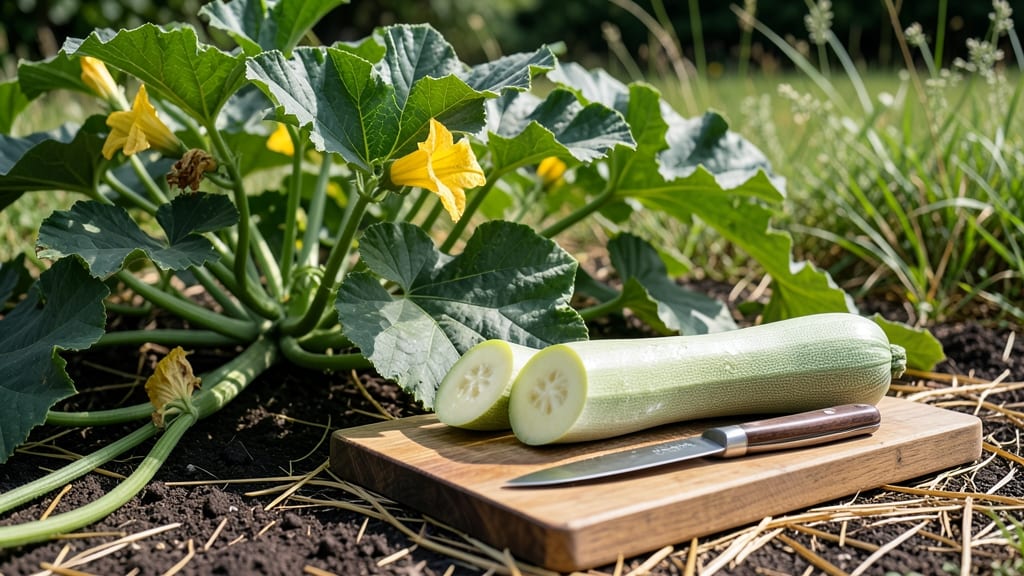
Whether you peel summer squash depends on the variety—thin-skinned types like zucchini or yellow squash can be eaten with the skin for better texture and nutrients, while thicker-skinned varieties (like pattypan) are often peeled. Always wash thoroughly before cooking.
Summer squash skin isn't just about aesthetics—it impacts flavor and nutrition. 🌱 The skin on zucchini and yellow squash is packed with fiber and antioxidants like vitamin C, which can get lost when peeled.
For thicker-skinned varieties, peeling removes bitterness and creates a more uniform texture, especially when roasting or grilling. I've found that younger squash (under 6 inches) often has the most tender skin, making it perfect for eating whole.
Cooking methods also play a role—grilling enhances skin crispness, while sautéing may require peeling for even cooking. Always test a small piece first to see how the skin holds up to your chosen preparation. This simple step can elevate your dish from good to exceptional.
💡 In This Article
- Nutritional and Textural Differences Between Peeling and Keeping Summer Squash Skin
- Summer Squash Varieties: Which Ones Should You Peel?
Nutritional and textural differences between peeling and keeping summer squash skin
Summer squash skin is more than just a protective layer—it's a nutrient powerhouse packed with fiber and antioxidants. The skin contains about 30% of the total fiber in zucchini and yellow squash, which aids digestion and helps stabilize blood sugar levels.
Vitamin C content also increases when you leave the skin on—studies show that peeled squash loses up to 20% of its vitamin C during preparation, while the skin retains these nutrients.
The skin's texture also matters: thin-skinned varieties like zucchini have a delicate, almost translucent peel that softens quickly when cooked, adding a subtle crunch to dishes.
Cooking methods dramatically affect how the skin performs.
When grilling, the skin develops a pleasant char and crispness that contrasts beautifully with the tender flesh inside. 🔥 For sautéing or roasting, the skin can become slightly rubbery if not properly tenderized—this is why many chefs recommend peeling thicker-skinned squash like pattypan before these methods.
The skin's thickness varies by variety: zucchini typically has a 1-2mm skin layer, while pattypan can reach 3-4mm, making it more prone to toughness when cooked.
Texture is another critical factor. The skin on younger squash (under 6 inches long) is naturally thinner and more tender, making it perfect for eating whole in salads or spiralizing. Older squash develops thicker, waxier skin that benefits from peeling to improve mouthfeel.
I've noticed that when roasting, peeled squash caramelizes more evenly, while unpeeled pieces develop uneven browning patterns due to the skin's natural moisture barrier. This creates a visual contrast that can be either appealing or distracting depending on your dish's style.
Nutritionally, the skin contributes valuable compounds like lutein and zeaxanthin, antioxidants that support eye health. These compounds are concentrated in the outer layers, which is why nutritionists often recommend keeping the skin whenever possible.
However, there's a trade-off: some people find the skin too fibrous or bitter, especially in older squash. The bitterness comes from compounds that develop as the squash matures, which is why younger specimens are always preferred for skin-on preparations.
For practical application, consider this rule of thumb: if the skin is thinner than a credit card (about 1.5mm or less), it's safe to leave on for most cooking methods. Thicker skins should be peeled, especially before roasting or baking, where even cooking is essential.
Always wash squash thoroughly before deciding whether to peel—dirt and wax can accumulate on the skin, which is why many chefs recommend a quick scrub with a vegetable brush before cooking.
One final consideration is presentation. Unpeeled squash adds visual appeal to dishes like ratatouille or grilled vegetable platters, where the natural color variations create an attractive contrast.
The skin's subtle earthy flavor also complements dishes with herbs like basil or thyme, while peeling creates a cleaner look for pureed soups or smooth textures. The choice ultimately comes down to your dish's requirements and personal preference.