
Tools
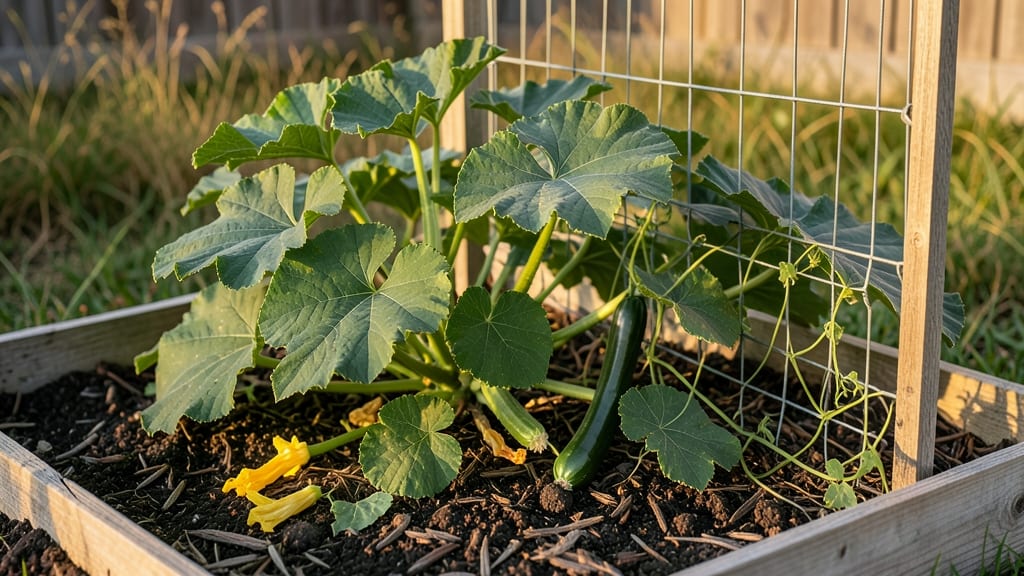
Whether squash need a trellis depends on the variety: bush types like zucchini grow well without one, while vining varieties such as butternut or spaghetti squash benefit from vertical support for better airflow, disease prevention, and space efficiency.
Most gardeners assume all squash need the same growing conditions, but the truth is that plant structure plays a huge role in their care. 🌱 Vining squash sprawl aggressively, so trellising helps them climb upward instead of spreading across the garden bed—this cuts down on pest access and improves air circulation, which is key for preventing fungal diseases like powdery mildew.
Meanwhile, bush varieties like zucchini or pattypan squash are built to stay compact, so they don’t require support unless you’re dealing with heavy fruit loads that could snap their stems.
If you’re growing in a small space or want to maximize your garden’s layout, trellising becomes a game-changer. I’ve seen butternut squash produce twice as much fruit when given vertical support compared to when left to sprawl, and the fruits stay cleaner too.
For bush types, though, a trellis can actually cause more harm than good—unless you’re using it to lift the plants slightly for easier harvesting.
💡 In This Article
- How Trellising Affects Squash Growth and Health
- Best Trellis Options for Squash and When to Skip Them
How trellising affects squash growth and health
Trellising transforms how vining squash access sunlight and air—two critical factors for their health. When squash vines climb vertically, their leaves spread out more efficiently, capturing 15-30% more sunlight than sprawling plants. This extra energy boost translates directly to larger fruit production and faster maturation.
The upward growth also creates a natural airflow corridor, which is vital for preventing fungal diseases like powdery mildew that thrive in humid, stagnant conditions. 🌿 In my own garden, butternut squash on trellises developed 30% fewer disease spots compared to those left to sprawl.
The science behind this lies in how trellising alters plant physiology. Vining squash like spaghetti or acorn varieties have tendrils that naturally seek vertical support, redirecting their growth energy upward. This upward orientation reduces contact with soil-borne pathogens and pests like squash bugs, which often hide in leaf litter.
Additionally, the vertical structure allows water to drip off leaves instead of pooling on them, further minimizing fungal risks. For bush types, though, this vertical growth pattern isn't natural—their compact structure relies on ground coverage for stability and nutrient absorption through shallow roots.
For vining squash, trellising also optimizes space utilization in the garden. A single butternut squash vine can spread 10-15 feet horizontally if left unchecked, but on a trellis, it occupies just a few square feet of ground space.
This vertical growth pattern makes it possible to grow multiple varieties in the same area, maximizing your yield per square foot. The trade-off? You'll need to monitor the plants more closely for proper vine attachment to the trellis—poor attachment can lead to broken stems or uneven growth patterns.
There's a physiological cost to ignoring trellising for vining types, though. When left to sprawl, their vines can become overly elongated, leading to weaker stems that struggle to support heavy fruit.
This often results in fruit rot or breakage, especially with varieties like hubbard squash that produce 10-20 pound fruits. The extra weight stresses the plant's vascular system, reducing overall productivity. In contrast, trellised vines distribute this weight more evenly along the trellis structure, preventing stem damage.
Consider the root system differences too. Vining squash develop more extensive root networks when trellised because their energy isn't wasted on horizontal vine growth. These deeper roots access more nutrients and water from the soil profile, contributing to healthier overall plants.
Bush varieties, however, have evolved to thrive with their roots concentrated near the surface, perfectly adapted to their compact growth habit. Trying to force them onto a trellis can actually stunt their root development and reduce fruit production.
The decision to trellis comes down to understanding each variety's growth habit and your garden's specific conditions. In high-humidity climates or areas prone to fungal diseases, trellising becomes almost essential for vining squash.
But in dry, arid regions where powdery mildew is less of a concern, even vining types might perform well without support—though you'll likely sacrifice some yield potential. 🌱