
Pests and Diseases
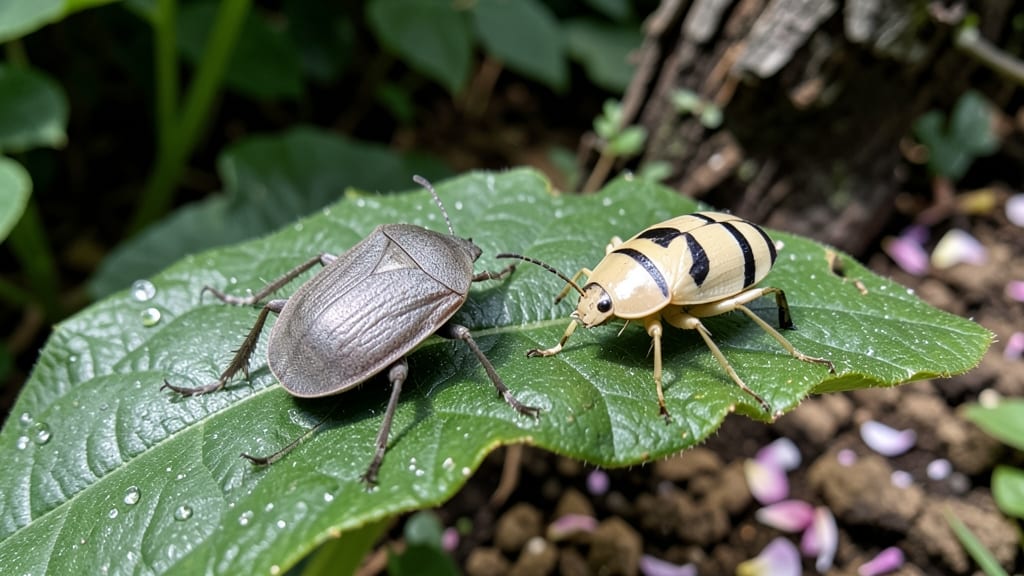
Squash bugs and stink bugs are not the same: squash bugs target cucurbits like zucchini and pumpkins, while stink bugs feed on over 300 plant species, including fruits, vegetables, and ornamental plants. Their appearances and damage patterns also differ significantly.
They might look similar at first glance, but these pests have distinct habits and physical traits that set them apart. 🔥 Squash bugs, with their flattened oval bodies and shield-like backs, are usually grayish-brown and thrive in gardens where squash, pumpkins, and melons grow.
Meanwhile, stink bugs—named for the foul odor they release when threatened—come in various colors like green, brown, or gray and attack a much broader range of plants, often leaving behind telltale puncture marks on fruits and leaves.
Understanding these differences is key because their damage patterns vary too. Squash bugs chew through plant stems and leaves, causing wilting and stunted growth, while stink bugs pierce plant cells to suck out juices, leading to discolored or deformed foliage.
If you're dealing with a garden pest, knowing which bug you're facing helps you choose the right treatment—whether it's neem oil for squash bugs or row covers for stink bugs.
💡 In This Article
- Visual and Biological Differences Between Squash Bugs and Stink Bugs
- Identifying and Managing Squash Bug vs Stink Bug Infestations
Visual and biological differences between squash bugs and stink bugs
The most obvious way to tell these pests apart starts with their body shape. Squash bugs have a flattened, oval body that's typically half an inch to 5/8 inch long, with a shield-like back that resembles a tiny turtle shell.
Their coloration ranges from grayish-brown to black, often with lighter markings along the edges. Under a magnifying glass, you'll notice their five-segmented antennae, which end in a tiny club-like structure—this detail helps distinguish them from other insects.
Stink bugs, on the other hand, have a more rounded, shield-shaped body that's usually 1/2 inch to 3/4 inch long, with a distinctive triangular scutellum (the plate-like structure on their back).
Their colors vary widely—green, brown, gray, or even reddish hues—and some species have striking patterns like stripes or spots. What sets them apart biologically is their six-segmented antennae, which end in a more gradual taper rather than a club. The real giveaway?
When crushed, they release a pungent, skunk-like odor that lingers for hours.
The life cycles of these bugs also differ significantly. Squash bugs undergo incomplete metamorphosis, meaning they hatch from eggs as nymphs that resemble miniature adults but without wings. These nymphs go through five stages before becoming adults, typically appearing in late spring and early summer.
Stink bugs, however, have a more complex life cycle: their eggs are laid in clusters on leaves, and the nymphs go through five instar stages as well, but they often overwinter as adults in protected areas like leaf litter or buildings.
Seasonal activity patterns provide another clue. Squash bugs are most active during the warmest months (June-August) and prefer to hide under plant debris or mulch during the day, emerging at night to feed.
Stink bugs, however, are more adaptable—they can be found year-round in warmer climates and often migrate indoors during colder months, seeking heat sources. This difference in behavior explains why you might spot stink bugs on your windows in fall while squash bugs remain hidden in garden beds.
One fascinating biological detail is how these bugs interact with plants. Squash bugs inject toxins into their host plants as they feed, causing wilting and yellowing within days.
Stink bugs, meanwhile, use their straw-like mouthparts to pierce plant cells and suck out sap, leaving behind small, discolored spots that can distort fruit and foliage. The damage patterns are a dead giveaway for identifying which pest you're dealing with in your garden.
Here's a quick visual comparison to keep in mind while inspecting your plants:
- Body Shape: Squash bugs are flattened; stink bugs are rounded with a triangular back plate.
- Antennae: Squash bugs have clubbed ends; stink bugs have tapered ends.
- Size: Both are similar (1/2 to 3/4 inch), but squash bugs are slightly more elongated.
- Odor: Only stink bugs release that distinctive foul smell when threatened.