
Light Requirements
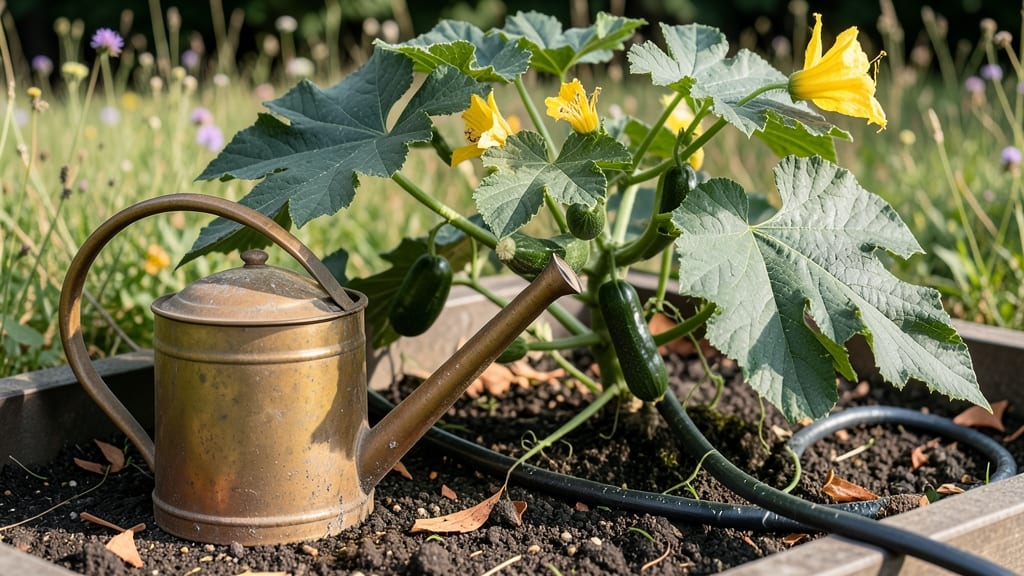
Squash plants need a lot of water to thrive, but the right balance keeps them healthy and productive—too much or too little can ruin your harvest.
Picture this: your 🎃 squash vines sprawling across the garden, heavy with fruit, only to wilt under the midday sun or rot from soggy soil. The truth? Watering squash isn’t about drowning them—it’s about consistency and timing.
Get it wrong, and you’ll spend summer chasing pests or watching flowers drop off before they set fruit.
Here’s the game-changer: squash roots run deep, but they need 1-2 inches of water per week—more in heatwaves, less in cool, damp springs. The secret isn’t just how much you water, though; it’s when and how you do it.
Morning watering, mulch to lock in moisture, and avoiding wet leaves can mean the difference between a bumper crop and a bust.
In this guide, I’ll break down the exact watering schedule for each growth stage, how to spot over- or underwatering, and the best methods to keep your squash plants happy, hydrated, and high-yielding all season long.
How much water do squash plants actually need?
Squash plants are thirsty but not drought-tolerant. They need consistent moisture to thrive, especially during their growth stages. Too little water causes wilted leaves and poor fruit development, while too much leads to root rot and fungal diseases.
The key is deep, infrequent watering that keeps the soil evenly moist but never soggy.
Your squash plants' water needs change as they grow. Seedlings require gentle moisture to prevent damping off, while mature vines and flowering plants demand more water to support heavy fruit production. Understanding these shifts helps you adjust your watering routine for optimal results.
Environmental factors like soil type, temperature, and humidity also play a huge role. Sandy soil dries out faster than clay, while hot, dry conditions increase evaporation. Humid climates may require less frequent watering, whereas arid regions need more attention to keep roots hydrated.
Here’s a quick breakdown of how much water squash plants need at each stage, along with environmental adjustments:
During the seedling stage, squash plants need gentle, frequent watering to encourage root development without overwhelming tender shoots. Overwatering at this stage can lead to damping off, a fungal disease that kills seedlings before they sprout.
Use a spray bottle or drip irrigation to deliver water directly to the soil, avoiding wet foliage.
As squash plants transition to the vining stage, their water needs increase significantly. This is when the plants start spreading and developing larger leaves, which require more moisture to stay healthy.
Aim for 1-1.5 inches of water per week, delivered deeply to encourage roots to grow downward rather than staying shallow.
When your squash plants begin flowering, they enter a critical phase where watering becomes even more important. Flowers and developing fruits demand a steady supply of moisture to prevent blossom-end rot or dropped flowers.
During this stage, I water my squash plants every 2-3 days, ensuring the soil stays consistently moist but not waterlogged.
Once your squash plants are in full fruit production, they’ll need the most water of all. Heavy fruits can stress the vines, so maintaining 2 inches of water per week is essential. In extreme heat or drought conditions, you may need to water daily to keep the soil moist.
Always water early in the morning to allow foliage to dry out during the day, reducing the risk of powdery mildew.
Signs of underwatering include wilting leaves, yellowing foliage, and small, deformed fruits. If you notice these symptoms, increase your watering frequency and check the soil moisture with your finger—it should feel damp about 1 inch below the surface.
On the other hand, overwatering causes mushy stems, yellowing leaves, and a sour smell from the soil.
To avoid overwatering, always check the soil before watering. Stick your finger about 2 inches deep—if it feels dry, it’s time to water. If it’s still moist, wait another day.
Mulching around your squash plants helps retain moisture and keeps roots cool, reducing the need for frequent watering. Organic mulch, like straw or shredded leaves, also improves soil health over time.
Squash plants are heavy drinkers, but they don’t need a lot of water if you’re consistent. By adjusting your watering based on their growth stage and environmental conditions, you’ll set them up for a bountiful harvest.
Pay attention to their cues, and don’t hesitate to tweak your routine as needed—your squash will thank you with plump, healthy fruits! 🎃
Best watering schedule for squash: frequency, timing, and techniques
Squash plants thrive with consistent moisture, but their watering needs shift dramatically as they grow. Seedlings need gentle hydration to avoid damping off, while mature vines demand deep watering to support heavy fruits.
The key is balancing frequency with soil saturation—too much causes rot, too little stunts growth. Let’s break down the ideal routine for healthy squash plants.
Timing matters just as much as how much you water. Morning watering (before 10 AM) is ideal because it allows foliage to dry quickly, reducing fungal risks like powdery mildew. Evening watering keeps plants damp overnight, creating a breeding ground for diseases.
Always aim for 1-2 inches of water per week, adjusting for heatwaves or dry spells.
- 🌱 Seedlings (First 2 Weeks): Light misting daily or every other day—keep soil evenly moist but not soggy. Avoid overhead watering to prevent fungal spores.
- 🌿 Vine Establishment (Weeks 3-6): Water every 3-4 days with 1 inch of water per session. Focus on the root zone to encourage deep growth.
- 🌼 Flowering & Fruiting (Weeks 6-12): Increase to 1-2 inches per week, watering deeply 2-3 times per week. Prioritize consistency—skipping watering can cause blossom-end rot.
- 🎃 Harvest Season (Ongoing): Maintain deep, infrequent watering (every 4-5 days) to avoid cracking fruit. Reduce water slightly as vines mature.
Choosing the right method saves water and improves plant health. Drip irrigation delivers water directly to roots, cutting evaporation and disease risk. Soaker hoses are another great option—they slowly release water along the soil surface, keeping the area uniformly moist.
Avoid overhead sprinklers, which waste water and promote fungal growth on leaves.
Heat and humidity also play critical roles. During summer heatwaves, squash may need watering every 1-2 days, while humid climates require more caution to prevent fungal issues. Always check soil moisture by sticking your finger 1-2 inches deep—if it’s dry, it’s time to water.
Mulching with straw or shredded leaves helps retain moisture and regulate soil temperature.
Watch for signs of stress: Wilting leaves signal underwatering, while yellowing foliage or mushy stems indicate overwatering. Adjust your schedule based on these cues and your local climate. With the right balance, your squash plants will reward you with abundant, healthy fruit all season long.
Pro tip: Use a rain gauge or tuna can to measure water output—aim for steady, even saturation rather than sporadic heavy watering. This simple tool ensures you’re meeting your squash’s needs without guesswork.