
Pests
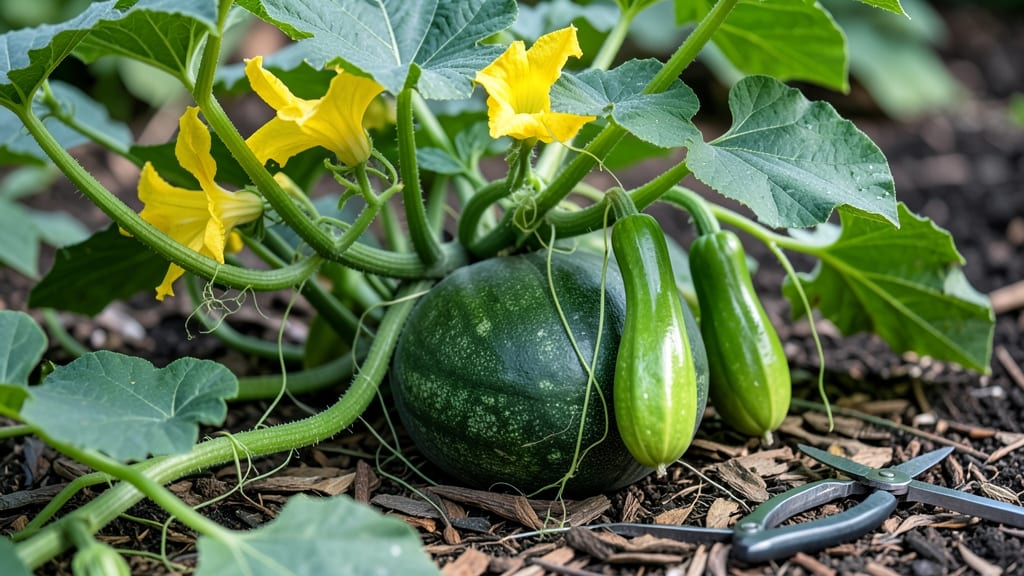
Deer do like squash, especially summer squash and zucchini, which they find appealing for their tender leaves and vines. Winter squash varieties are less attractive but still at risk, particularly when other food sources are scarce.
Deer are naturally drawn to squash gardens because they love the soft, nutrient-rich foliage and young shoots. 🌱 Summer squash and zucchini are particularly vulnerable since their leaves and stems contain high moisture and protein, making them an easy snack for hungry deer.
Even though winter squash like butternut or acorn are less appealing, they won't hesitate to nibble if other food options are limited. The key is understanding their seasonal preferences—deer tend to target gardens more aggressively during late summer and fall when natural food sources dwindle.
What makes this tricky for gardeners is that deer often start with the leaves before moving on to the fruit. This means even if your squash plants produce, they might still be damaged enough to reduce yields.
The good news? There are simple ways to protect your harvest, from fencing to natural repellents that create barriers without harming the environment.
💡 In This Article
- Why Deer Are Drawn to Squash Plants
- Protecting Your Squash Garden from Deer
Why deer are drawn to squash plants
Deer target squash plants primarily because of their high nutritional value, especially during critical growth stages. Summer squash and zucchini contain 85-95% moisture, making them hydrating and easy to digest—ideal for deer seeking quick energy.
The tender leaves and vines also provide 10-15% protein by dry weight, which is rare in plant matter and highly attractive to browsing animals. 🌿 This protein content rivals that of alfalfa, a known deer favorite, which explains why they prioritize these plants over less nutritious options.
The key difference between summer and winter squash lies in their growth patterns and nutritional timing. Summer varieties like zucchini and yellow squash produce edible foliage early in the season when deer are actively foraging.
Their leaves remain tender and high in nitrogen until the fruit matures, creating a two-phase buffet—first the leaves, then the fruit. Winter squash, however, develop hard, fibrous rinds and thicker skins as they mature, which deer find less appealing unless desperate.
Even then, they'll often avoid the mature fruit in favor of the more accessible leaves.
Seasonal changes dramatically alter deer behavior around squash gardens. During late summer and early fall, when natural food sources like clover and berries decline, deer become more aggressive in their foraging.
This is when gardeners notice the most damage, as deer will strip entire plants within hours. 🌱 The scent of crushed squash leaves also releases volatile compounds that attract deer, creating a feedback loop where the more they feed, the more they return.
This explains why even well-established gardens can suddenly become deer magnets overnight.
Another critical factor is the plant's growth stage. Young squash seedlings are particularly vulnerable because their stems are soft and packed with nutrients. Deer often start by browsing the edges of gardens, testing for tender growth before moving inward.
Once they find a preferred plant, they'll return repeatedly, which is why gardeners often see chewed stems at consistent heights—a classic sign of deer activity. This targeted browsing can stunt plant growth or even kill seedlings before they produce fruit.
Deer also have a strong preference for the aroma of fresh squash foliage, which contains compounds like limonene and linalool that are appealing to their sensitive noses. These same compounds make squash attractive to humans for cooking, but they also serve as a natural lure for wildlife.
When you crush a squash leaf, the released scent can travel up to 50 feet in still air, acting as a dinner bell for nearby deer. This sensory attraction explains why even small gardens can become high-risk zones during peak foraging seasons.