
Pests
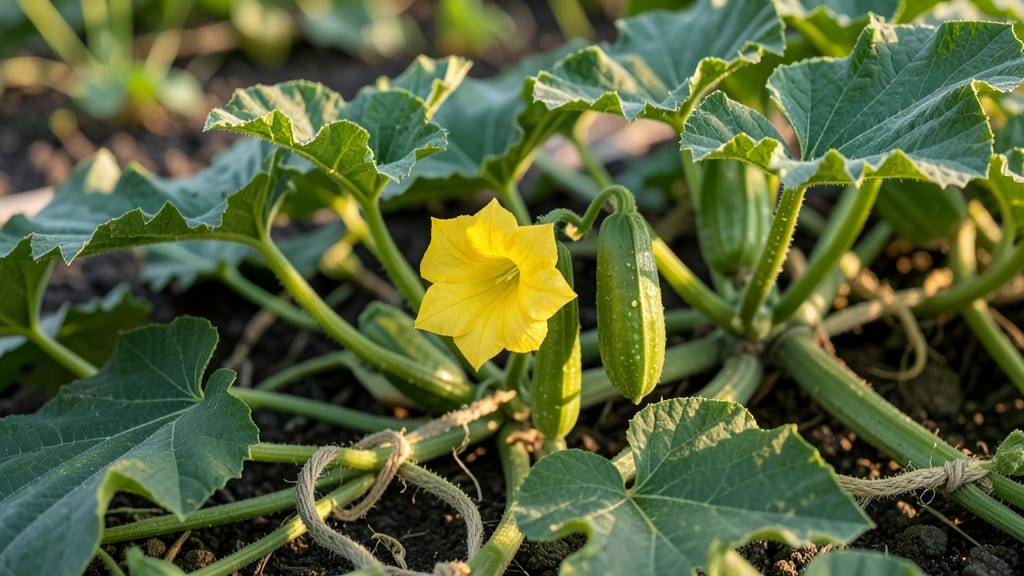
Deer eat squash plants voraciously, especially targeting tender leaves, vines, and young fruits when other food becomes scarce in late summer and fall. Without intervention, their browsing can completely destroy a garden's squash harvest.
Squash plants are like an all-you-can-eat buffet for deer because of their high moisture content and soft, tender growth. 🌱 The real damage happens in late summer when deer search for easy meals as acorns and berries become less available.
I've seen entire rows of zucchini plants reduced to nubs overnight—it's heartbreaking, but understanding their feeding patterns helps you protect your garden more effectively.
What makes squash particularly vulnerable is how deer target different parts of the plant at various growth stages. Young seedlings get nibbled down to the stem, while mature vines suffer from jagged, irregular bites.
This isn't just cosmetic damage—it weakens the plant's ability to produce fruit. The key to prevention lies in combining physical barriers with repellents that disrupt their feeding patterns.
💡 In This Article
- Why Deer Target Squash Plants in Gardens
- Natural and Chemical Deer Deterrents for Squash Gardens
Why deer target squash plants in gardens
Deer gravitate toward squash plants primarily because of their high moisture content and soft, nutrient-rich tissue—like a natural energy drink for these herbivores. 🌱 The leaves and vines contain about 90% water and are packed with easily digestible sugars, making them an ideal snack when deer are searching for quick calories.
This preference isn't random; studies show deer consume plants with moisture levels above 85% far more readily than drier alternatives like mature corn stalks or woody shrubs.
The timing of deer's squash feasting correlates directly with plant growth stages. Young seedlings (under 6 inches tall) get completely devoured down to the stem because their tender stems offer minimal resistance.
As plants mature, deer shift to browsing the leaves and vines, creating the signature jagged edges that distinguish their damage from insect chewing. 🐦 What's fascinating is how deer avoid mature squash fruits—they're too tough and fibrous, but the plant's immature flowers and blossom ends become prime targets because they're still soft and sweet.
Seasonal food scarcity amplifies this behavior. In late summer and fall, when acorns and berries become less abundant, deer turn to garden crops like squash with increased intensity.
A 2018 Pennsylvania State University study found that deer browsing increased by 40% in September-October compared to spring months, when deer have access to fresh clover and grass. This explains why gardeners often notice damage spiking just as squash plants reach their peak productivity—when they're most vulnerable.
Comparing deer damage to other garden pests reveals key differences.
While rabbits typically create clean, straight cuts and slugs leave behind silvery slime trails, deer leave behind irregular, uneven bites that often follow the plant's natural contours. 🌿 The size of the damage also differs—deer can consume an entire 12-inch vine section in minutes, whereas insects or rabbits would take hours to create similar destruction.
This visual pattern helps gardeners quickly identify the culprit and implement targeted solutions.
Another critical factor is deer's natural foraging behavior. They're crepuscular animals, meaning they're most active at dawn and dusk, which coincides with the coolest, most humid parts of the day—perfect conditions for squash plants to release their moisture.
Deer also have an incredible sense of smell, and the aromatic compounds in squash leaves (like cucurbitacins) actually attract them rather than repel them, unlike many commercial deer repellents that rely on overpowering odors.
Understanding these preferences helps gardeners implement smarter protection strategies. For example, knowing deer target young growth means focusing deterrents on seedlings during early planting. Similarly, recognizing their dawn/dusk activity patterns allows for more effective use of motion-activated sprinklers or lights.
The key is disrupting their access without harming the plants—because once deer find a food source, they'll keep coming back until it's gone.