
Pests
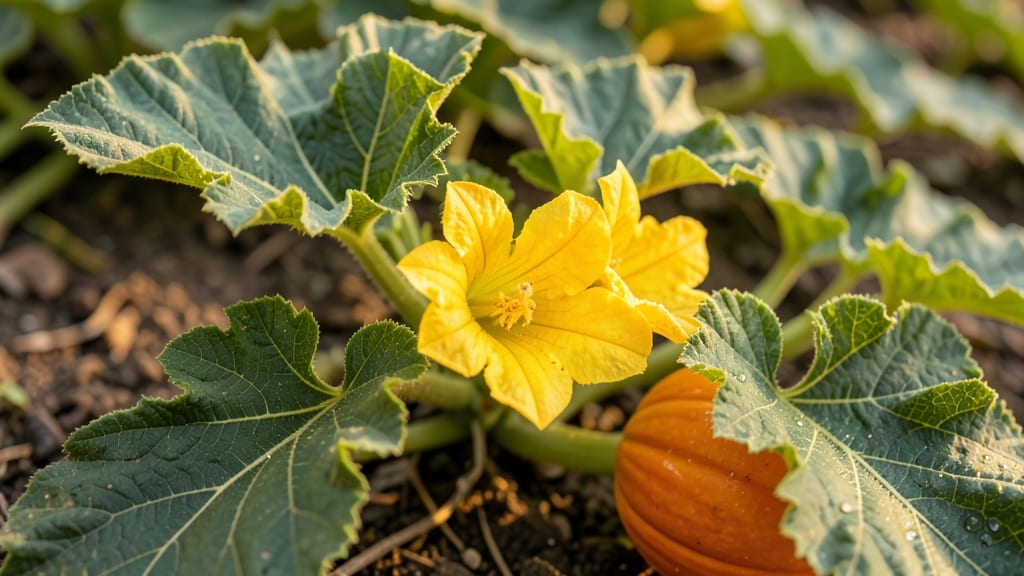
Yes, deer eat pumpkins and squash, particularly when food is scarce, because their tender flesh and nutrient-rich seeds are irresistible. Young plants face the highest risk, while mature squash may suffer partial damage unless deer populations are extremely high. Gardeners often need to use fencing or repellents to prevent significant crop loss.
Deer are opportunistic feeders, and pumpkins and squash rank high on their menu when natural food sources dwindle—especially during late fall and winter. 🌰 The soft, water-rich flesh and protein-packed seeds make these crops an easy, high-value meal.
What's surprising is how selective they can be: deer often ignore fully hardened rinds but will devour young shoots and blossoms first, sometimes stripping entire plants before maturity. This behavior explains why gardeners in rural or wooded areas report frequent losses, even with seemingly healthy crops nearby.
To protect your harvest, physical barriers like 8-foot fencing or row covers work best, while natural repellents (like garlic or predator urine) can help deter deer when applied consistently. The key is acting early—once deer discover your garden, they'll return until the plants are too tough to eat.
I've found that combining fencing with repellents during planting season gives the best results, especially in high-risk areas.
💡 In This Article
- Why Deer Target Pumpkins and Squash in Gardens
- Effective Deer-Proofing Strategies for Pumpkin and Squash Crops
Why deer target pumpkins and squash in gardens
Deer are drawn to pumpkins and squash primarily because of their high moisture content and concentrated nutrients. The soft, water-rich flesh provides essential hydration during dry seasons, while the seeds offer a protein punch—up to 30% protein by weight in some varieties.
This makes them an ideal snack for deer, especially when natural forage like clover or grasses becomes scarce. 🌱 What's fascinating is how deer prioritize different parts: young shoots and blossoms are often the first to go, followed by the fruit itself, with mature rinds rarely being fully consumed unless the deer are desperate.
The science behind this preference lies in deer digestion. Their four-chambered stomachs are optimized for breaking down fibrous plant materials, but they still crave easily digestible, nutrient-dense foods. Squash and pumpkin flesh fits this bill perfectly, with a moisture content of 90-95% and a sugar profile that's naturally appealing.
The seeds, meanwhile, contain healthy fats that provide sustained energy—similar to how humans might reach for nuts during a hike. This combination makes these crops a deer's equivalent of a fast-food meal.
Seasonal patterns play a huge role in deer behavior. During late summer and early fall, when natural food sources are abundant, deer may only nibble at the edges of your squash plants.
However, by late fall and winter, when their usual diet of acorns, berries, and tender grasses dwindles, they become far more aggressive. 🦌 I've observed this firsthand in rural gardens where deer populations are high—they'll completely strip a pumpkin patch in just a few nights once temperatures drop below 40°F.
This is when gardeners need to be most vigilant, as deer develop strong "memory maps" of food sources and will return repeatedly.
Plant maturity also determines how vulnerable your crops are. Young plants with tender stems and leaves are particularly attractive, as they require minimal chewing effort. Deer can consume an entire 6-inch-tall squash plant in under an hour if they're hungry enough.
Mature squash with hardened rinds become less appealing, but deer will still target them by biting through the stem or creating small holes to access the flesh.
The key difference is that mature plants can often recover from partial damage, while young plants may be completely destroyed in a single feeding session.
Interestingly, deer have surprisingly good taste when it comes to squash varieties. They tend to avoid bitter-tasting varieties like certain heirloom pumpkins, but sweet varieties like butternut squash or hubbard squash are prime targets.
This selectivity means that choosing less palatable varieties can be an effective (though not foolproof) deterrent strategy. 🌿 However, even bitter squash won't guarantee protection if deer are extremely hungry or if other food sources are completely unavailable.
What most gardeners don't realize is how deer learn from each other. A single deer discovering your garden will often bring others to the same location, creating what wildlife experts call a "deer hotspot." This herd behavior explains why damage can escalate rapidly once it begins.
The solution often requires addressing the entire property rather than just the garden itself, which is why comprehensive deer management strategies are so important for long-term protection.