
Picking
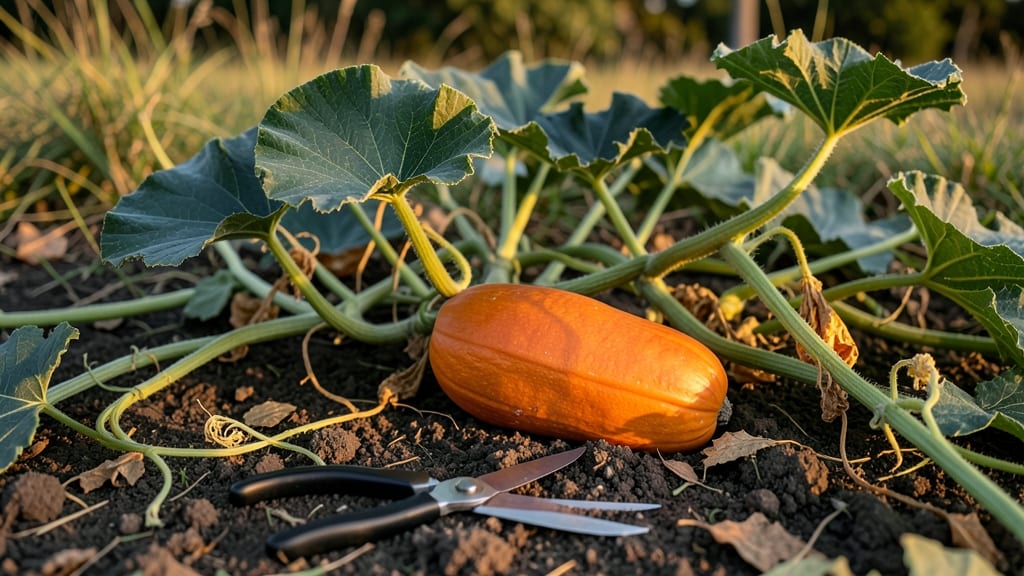
Dark orange squash like butternut and sweet dumpling love cooler weather and partial shade—perfect for short-season gardens or warm climates. 🌿 I’ve grown them in both my cool mountain garden and my sister’s hot valley plot, and the secret isn’t fancy soil but timing and patience.
These varieties handle frost better than most squash, meaning you can plant earlier and harvest later without stress.
Start seeds indoors 4-6 weeks before your last frost or sow directly when soil reaches 60°F. They thrive in well-draining soil with compost, but don’t fuss over perfection—even average garden dirt works if it’s loose.
Space plants 2-3 feet apart to give them room to sprawl, and choose a spot with morning sun and afternoon shade for best results.
Water consistently to keep soil moist but not soggy—1-2 inches per week is ideal. Mulch around plants to retain moisture and suppress weeds, which saves time and keeps squash vines healthy.
By mid-season, you’ll see those signature deep orange fruits forming, and with proper care, they’ll be ready to harvest in 80-100 days.
Watch for squash vine borers and powdery mildew, but don’t panic—neem oil and row covers work wonders. The real reward? A harvest that lasts well into fall, with squash that stores for months in a cool, dark place. Even beginners can master these cold-hardy beauties with just a little attention.
📚 In This Guide
- What you need
- Instructions
- Tips and common mistakes
- Wrapping up and next steps
What you need
- ● Dark orange squash seeds: Choose cold-hardy varieties like Butternut or Hubbard (1–2 seed packets for a small garden, 3–4 for larger harvests).
- ● Well-draining soil: Mix 60% topsoil with 40% compost or aged manure (aim for pH 6.0–7.0).
- ● Fertilizer: Balanced 10-10-10 or organic options like worm castings (1 cup per planting hole).
- ● Mulch: Straw or shredded leaves (2–3 inches thick) to retain moisture and suppress weeds.
- ● Garden trowel or transplanting tool (for digging holes).
- ● Watering can or hose with a gentle spray nozzle (avoid soaking the soil).
- ○ Garden gloves (optional but recommended for comfort).
- ● Row cover or frost cloth (if planting early in cool climates).
- ○ Stakes or trellis (optional for vining varieties like Butternut).
- ● Sunlight: Partial sun (4–6 hours of direct light daily).
- ● Spacious plot: Squash vines spread 3–5 feet; space plants 2–3 feet apart.
- ● Warm soil: Wait until soil temps reach 60°F (15°C) before planting (use a soil thermometer if unsure).
- ● Patience: Germination takes 7–14 days—keep soil moist!
Step-by-step instructions for growing dark orange squash
Here’s how I grow cold-hardy dark orange squash that thrives even in partial shade—no fancy setup needed.
🌱 Step 1: Choose the Right Variety and Planting Time
Pick a cold-hardy variety like ‘Sweet Dumpling’ or ‘Waltham Butternut’—they handle cooler temps better than standard types. Plant seeds 2-3 weeks after your last frost date when soil reaches at least 60°F. If your spring is chilly, start seeds indoors 4-6 weeks before transplanting using the 2-3 inch deep pots from your supplies.
Dark orange squash tolerates partial sun, but 4-6 hours of morning sunlight is ideal. If your spot gets afternoon shade, focus on varieties labeled "partial shade tolerant." I always test soil pH first—aim for 6.0-6.8. Too acidic? Mix in 1 cup of lime per planting hole to sweeten it up.
☀️ Step 2: Prepare the Soil and Plant Seeds
Work 2-3 inches of compost into the top 6 inches of soil—this improves drainage and feeds roots. Squash roots spread wide, so space plants 3-4 feet apart in rows 4-5 feet apart. Dig holes 1 inch deep, place 2-3 seeds per hole, and cover lightly—just enough to hide them.
Water gently after planting to settle soil around seeds. Avoid soaking—you’ll see first true leaves in 7-14 days. If seedlings crowd, thin to 1 strong plant per hole. Mulch with 2-3 inches of straw to keep soil moist and suppress weeds. This step is critical: dry soil stresses squash, leading to bitter fruit.
💧 Step 3: Water and Fertilize for Healthy Growth
Water 1-2 inches per week, keeping soil consistently moist but never soggy. Dark orange squash needs regular moisture, especially during flowering. I use a drip irrigation system to avoid wetting leaves—this prevents powdery mildew, a common squash enemy. Check soil 1 inch deep before watering; if it’s dry, it’s time.
Side-dress with 1 tablespoon of 10-10-10 fertilizer per plant when vines reach 12 inches long. Stop fertilizing 4-6 weeks before harvest—too much nitrogen makes vines lush but fruit tough. Watch for yellowing leaves—this often means overwatering or poor drainage. Adjust immediately if you see it.
✂️ Step 4: Prune and Support Vines as Needed
Remove suckers (small shoots at the base of vines) to direct energy to fruit production. If vines sprawl, train them along trellises or stakes to save space. Dark orange squash varieties like ‘Sweet Dumpling’ stay compact, but ‘Waltham Butternut’ may need support for heavy fruit.
Harvest when skin turns matte and hard—press a fingernail into the rind. If it doesn’t puncture easily, it’s ready. Cut stems with 2 inches of vine attached to prevent rot. Store in a cool, dry place (50-55°F) for up to 3 months. Don’t wash before storing—moisture speeds spoilage.
🌿 Step 5: Extend the Season with Cold Protection
Dark orange squash handles light frosts, but protect plants until soil temps drop below 40°F. Cover with row fabric on chilly nights. In fall, harvest before hard frost—unripe squash won’t sweeten after picking. If you miss the window, dig up 1-2 mature squash per plant and cure them in a warm (80-85°F) spot for 10 days to improve flavor.
Save seeds from your best squash! Scoop out seeds, rinse, and dry on paper towels for 2-3 days. Store in a cool, dark place for next year’s garden. I always label varieties—‘Sweet Dumpling’ and ‘Waltham Butternut’ look similar but taste different. Happy growing!
Tips & tricks for perfect dark orange squash growth
Here's what I've learned after growing these cold-hardy varieties for years—these tricks make all the difference in your harvest.
Variety Selection Matters: While 'Sweet Dumpling' and 'Waltham Butternut' are excellent choices, don't overlook 'Table Queen' if you want a smaller, more manageable squash. I've found that 'Sweet Dumpling' produces more fruit per plant but requires more space between plants (the 3-4 feet spacing). For smaller gardens, 'Waltham Butternut' is more compact while still being cold-tolerant. The key is matching your variety to your available space and sunlight conditions.
Soil Prep Secret: Before mixing in compost, spread a thin layer of wood ash over the planting area (about 1/4 cup per square foot) to raise the pH slightly if your soil tests below 6.0. This helps neutralize acidity without overdoing it. I also add a handful of crushed eggshells to each planting hole—the calcium helps prevent blossom-end rot, which can be a problem with squash. The 2-3 inches of compost in the top 6 inches of soil is perfect, but don't skimp on the organic matter.
Watering Wisdom: The 1-2 inches per week guideline works well, but I've learned that morning watering is absolutely critical. Watering in the morning gives leaves time to dry completely before evening, which dramatically reduces powdery mildew risk. If you notice leaves developing white powdery spots, that's your first sign of mildew—act immediately by removing affected leaves and applying a baking soda spray (1 teaspoon baking soda + 1 quart water + a drop of dish soap).
Harvesting Hack: When checking squash maturity by pressing your fingernail, do it on the side of the squash—not the bottom where it touches the ground. The bottom often stays firm longer due to contact with soil moisture. I harvest mine in the morning when temperatures are cooler, which helps preserve their freshness. For storage, I place them on a wire rack in a cool, dry place rather than stacking them—this allows air circulation and prevents rot from spreading.
Pro Tips for Dark Orange Squash
- Here's what I've learned after growing these cold-hardy varieties for years—these tricks make all the difference in your harvest.
- Variety Selection Matters: While 'Sweet Dumpling' and 'Waltham Butternut' are excellent choices, don't overlook 'Table Queen' if you want a smaller, more manageable squash.
- Soil Prep Secret: Before mixing in compost, spread a thin layer of wood ash over the planting area (about 1/4 cup per square foot) to raise the pH slightly if your soil tests below 6.0.
Frequently asked questions
Got questions about growing dark orange squash? You’re not alone! Here are some of the most common queries—plus quick, practical answers to help you grow like a pro.
What’s the best time to plant dark orange squash?
Plant seeds after the last frost when soil reaches 60–65°F (15–18°C). For cooler climates, start indoors 2–3 weeks before transplanting. Dark orange varieties like Butternut or Hubbard love warmth but tolerate light frost—just avoid heavy freezes!
How long does it take for dark orange squash to mature?
Most varieties mature in 80–120 days, depending on the type. Smaller squash (like Delicata) ripen in 80–90 days, while larger Hubbard squash may take up to 120 days. Check for a hard rind and dull stem—it’s ready to harvest!
Can I substitute dark orange squash for other winter squash?
Dark orange squash (like Butternut) works great as a 1:1 swap for acorn, kabocha, or even pumpkin in recipes. Its sweet, nutty flavor shines in soups, roasts, and mashed sides. Just adjust cooking times—it’s denser than zucchini but softer than butternut.
What should I do if my squash vines look chewed up?
Squash bugs or cucumber beetles are likely culprits. Handpick pests early in the morning, use row covers, or spray with neem oil. For heavy infestations, rotate crops next season—these pests thrive in squash family repeats.
Do dark orange squash plants need full sun?
While they prefer full sun (6+ hours/day), many varieties (like Waltham Butternut) tolerate partial shade (4–6 hours). Just expect slightly smaller yields. Mulch heavily to retain moisture and warmth in shadier spots.
Wrapping up and next steps
Dark orange squash isn’t just a vibrant addition to your garden—it’s a resilient, nutrient-packed superstar that rewards patience with bountiful harvests. Whether you’re a seasoned gardener or a curious beginner, these cold-hardy varieties prove that growing delicious, homegrown food doesn’t require perfect conditions.
Now that you’re armed with the right materials, tips, and answers, it’s time to roll up your sleeves and give it a try!
🌱 Next step: Pick your favorite variety, mark your calendar for planting, and watch your garden transform into a squash paradise. Happy growing—your future meals (and taste buds) will thank you!