
Vegetables
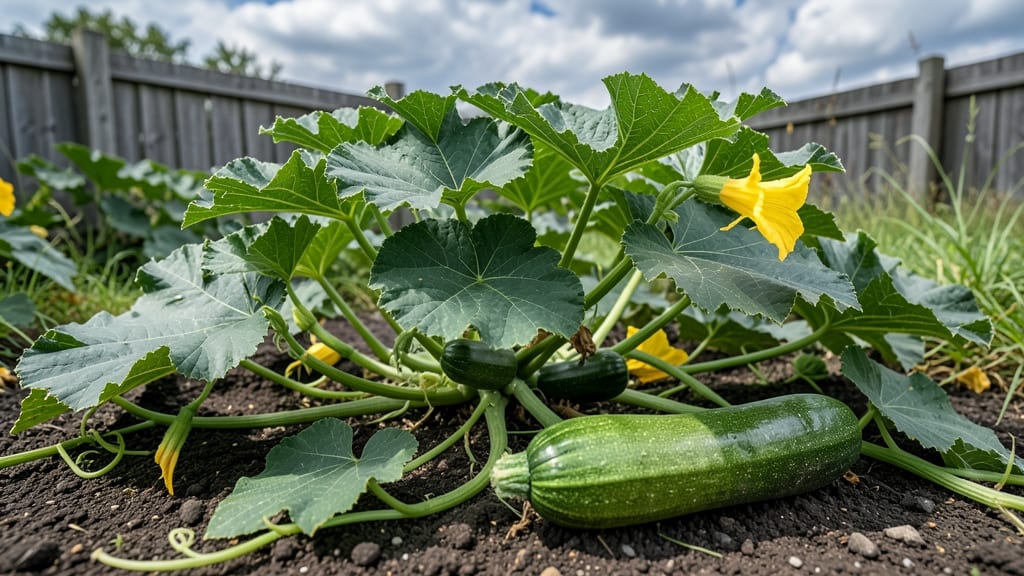
You can eat squash raw only when it's fully ripe and from varieties like zucchini, yellow squash, or pattypan, since raw winter squash (such as butternut or acorn) remains tough and unpalatable. Always wash it thoroughly and remove seeds to prevent bitterness or contamination.
Raw squash offers a crisp, fresh flavor when prepared correctly, but not all varieties are safe or enjoyable in their uncooked form.
Summer squash varieties like zucchini and yellow squash are the best choices because they're tender enough to eat raw, while winter squash varieties are typically too fibrous and hard. 💫 The key is selecting squash that's fully mature—look for vibrant color and firm skin without soft spots.
When prepping, always peel if the skin is tough, slice thinly for salads, and pair with lemon juice or olive oil to enhance flavor and reduce bitterness.
Beyond taste, raw squash provides excellent nutritional benefits, including high levels of vitamin C, fiber, and antioxidants. However, underripe or bitter-tasting squash may contain cucurbitacins, compounds that can cause stomach upset. To avoid this, always choose ripe squash and discard any seeds or overly bitter sections before eating.
💡 In This Article
- Safe Raw Squash Varieties and Nutritional Benefits
- Best Preparation Tips for Eating Raw Squash
Safe raw squash varieties and nutritional benefits
Summer squash varieties like zucchini, yellow squash, and pattypan are the only types safe to eat raw because their thin skins and tender flesh break down easily. These varieties contain 90-95% water and have a delicate texture that becomes almost creamy when sliced thinly.
Winter squash, including butternut, acorn, and pumpkin, are fundamentally different—their thick skins and fibrous flesh require cooking to soften, making them inedible raw. The starch content in winter squash is also higher, contributing to that tough, gummy texture when uncooked.
The nutritional benefits of raw summer squash are substantial, especially when compared to cooked versions. A 1-cup (120g) serving of raw zucchini provides 33% of your daily vitamin C needs, along with significant amounts of vitamin K and antioxidants like lutein and zeaxanthin.
These compounds support immune function and eye health, respectively. Raw yellow squash offers similar benefits but with slightly higher potassium levels (275mg per cup), which helps regulate blood pressure.
However, underripe or bitter squash may contain cucurbitacins—bitter-tasting compounds that can cause stomach upset or even allergic reactions in sensitive individuals.
To maximize these benefits, always select squash that's fully mature but not overripe. Look for vibrant color (deep green for zucchini, bright yellow for yellow squash) and firm skin without soft spots. The flesh should yield slightly to gentle pressure but not feel mushy.
When prepping, remove seeds and any fibrous core, as these can introduce bitterness. Thinly slicing (1/8-inch thick) enhances digestibility and flavor, making it ideal for salads or dips. 🌱
One common misconception is that all squash can be eaten raw if peeled. However, even peeling winter squash won't solve the texture issue—their high starch content (up to 20% dry weight) makes them resistant to chewing.
For example, raw butternut squash has a grainy, almost chalky texture that's unpleasant to eat, while cooked versions transform into a smooth, velvety consistency. This structural difference is due to the cell walls in winter squash, which require heat to break down.
For those with sensitive stomachs, it's worth noting that raw squash can cause mild digestive discomfort if consumed in large quantities.
The high water content means it's low in calories (20-30 calories per cup), but the fiber content (about 2g per cup) can be too much for some. Pairing raw squash with healthy fats like olive oil or avocado can help slow digestion and reduce any potential bloating.
Always introduce raw squash gradually to gauge your body's response.
Consider these key nutritional comparisons between raw summer squash and cooked winter squash:
- Vitamin C: Raw zucchini contains 27% DV per cup, while cooked butternut squash has 88% DV—but this comes with the trade-off of losing the raw version's crisp texture.
- Fiber: Raw yellow squash provides 1.8g per cup, while cooked acorn squash offers 6.6g per cup, making cooked winter squash a better fiber source if texture isn't a concern.
- Antioxidants: Raw squash retains more delicate antioxidants like beta-carotene (precursor to vitamin A) because cooking can degrade some heat-sensitive compounds.